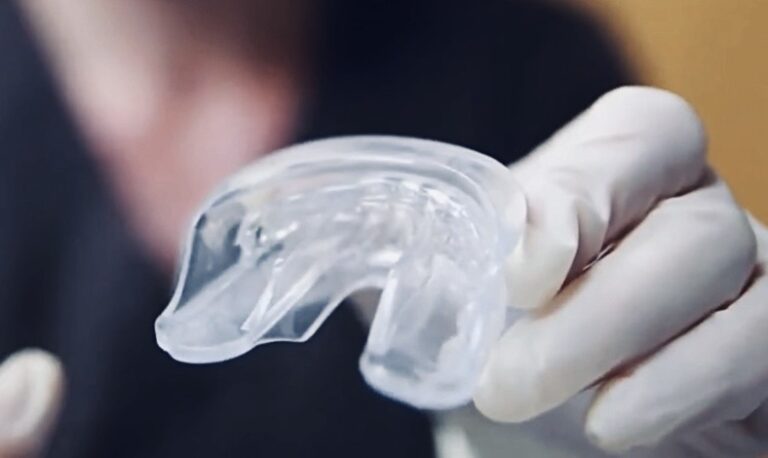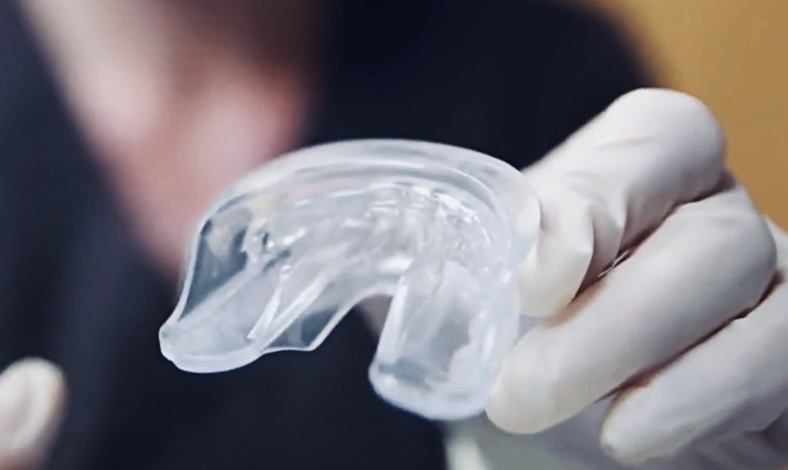
TMJ mouth guards are primarily made from hard acrylic materials or soft thermoplastic compounds. Hard acrylic guards offer maximum durability for severe teeth grinding, while soft materials provide comfort for mild symptoms. Custom professional guards use higher-grade materials than over-the-counter options, ensuring a better fit and greater treatment effectiveness. The material choice significantly impacts comfort, durability, and therapeutic success for temporomandibular joint disorders.
What are TMJ mouth guards and why do the materials matter?
A TMJ dental mouth guard is a custom-fitted oral appliance designed to treat temporomandibular joint disorders by repositioning the jaw and reducing stress on the joint. These therapeutic devices protect teeth from grinding damage while helping to relax jaw muscles during sleep.
Material choice directly affects treatment success because different materials provide varying levels of cushioning, durability, and jaw-positioning support. The right material ensures the guard withstands nightly use while maintaining proper jaw alignment. Poor material selection can lead to guard failure, inadequate symptom relief, or increased jaw discomfort.
Professional-grade materials used in custom TMJ guards offer superior longevity and therapeutic benefits compared to generic alternatives. The material must be biocompatible, comfortable for extended wear, and strong enough to withstand the significant forces generated during teeth grinding or jaw clenching.
What’s the difference between hard and soft TMJ mouth guard materials?
Hard acrylic materials create rigid guards that provide maximum protection against heavy grinding while maintaining precise jaw positioning. Soft thermoplastic materials offer cushioned comfort but may compress under pressure, making them better suited for mild symptoms or initial adjustment periods.
Hard guards typically last longer because acrylic resists wear from grinding forces. They maintain their shape and therapeutic positioning over time, making them ideal for severe bruxism cases. However, some patients find them initially uncomfortable due to their firmness.
Soft guards feel more comfortable immediately but may need replacement more frequently. They work well for patients with mild TMJ symptoms or those who cannot tolerate harder materials. The softer material can also encourage some people to chew on the guard, potentially reducing its effectiveness.
Dual-laminate guards combine both materials, featuring a soft inner layer for comfort and a hard outer layer for durability. This hybrid approach offers a balance between protection and wearability.
Which TMJ mouth guard material is best for nighttime teeth grinding?
Hard acrylic materials are generally best for nighttime teeth grinding because they withstand heavy grinding forces without wearing down quickly. These materials maintain their therapeutic shape and provide consistent jaw positioning throughout the night, which is essential for effective bruxism management.
For severe grinders, hard guards prevent the excessive wear that would quickly destroy softer materials. The rigid surface also helps break the grinding habit by providing an unfamiliar texture that can interrupt the subconscious grinding pattern.
Dual-laminate options work well for moderate grinders who need durability but want more initial comfort. The soft interior cushions the teeth while the hard exterior provides protection and longevity.
Soft materials alone are typically inadequate for heavy grinding because they compress and wear down rapidly. However, they might be appropriate for light grinders or as a transitional option while adjusting to TMJ guard therapy.
How do custom TMJ mouth guard materials compare to over-the-counter options?
Custom TMJ guards use professional-grade materials that are more durable, biocompatible, and precisely fitted than over-the-counter alternatives. Professional materials undergo rigorous testing for safety and longevity, while store-bought options often use lower-grade plastics that may not withstand regular use.
Custom guards are fabricated from exact impressions of your teeth, ensuring optimal material distribution and therapeutic positioning. This precise fit maximizes treatment effectiveness and comfort while minimizing the risk of jaw strain or tooth movement.
Over-the-counter guards typically use one-size-fits-all materials that require heating and molding at home. This process rarely achieves the precise fit needed for effective TMJ treatment and may create pressure points or inadequate jaw positioning.
Professional materials also offer better long-term value despite higher initial costs. Custom guards typically last 2–5 years with proper care, while drugstore options may need replacement every few months due to material degradation or poor fit.
What should you consider when choosing TMJ mouth guard materials?
Consider your grinding severity, comfort preferences, and treatment goals when selecting TMJ mouth guard materials. Heavy grinders need hard acrylic for durability, while those with mild symptoms might prefer softer materials for comfort. Your dentist can evaluate these factors during a professional consultation.
Budget considerations should include long-term value, not just initial cost. Higher-quality materials cost more upfront but typically provide better treatment results and a longer lifespan, making them more economical over time.
Your sleep habits and jaw sensitivity also influence material choice. Side sleepers might prefer thinner, harder materials that don’t create bulk, while those with sensitive gums might benefit from softer edges or dual-laminate construction.
Professional evaluation is crucial because TMJ symptoms vary significantly between individuals. A dental professional can assess your specific condition, grinding patterns, and jaw alignment to recommend the most appropriate material for your situation.
The complexity of TMJ disorders means that material selection should be part of a comprehensive treatment plan. Working with an experienced dental team ensures you receive a TMJ dental mouth guard made from materials specifically chosen for your unique needs and treatment goals.
If you’re experiencing TMJ symptoms or teeth grinding, professional evaluation can help determine the best material and treatment approach for your situation. Request an appointment to discuss your TMJ concerns and explore custom guard options tailored to your specific needs.