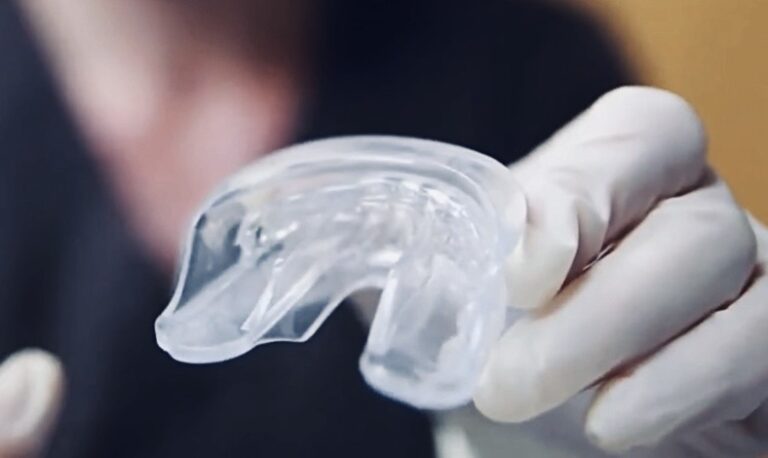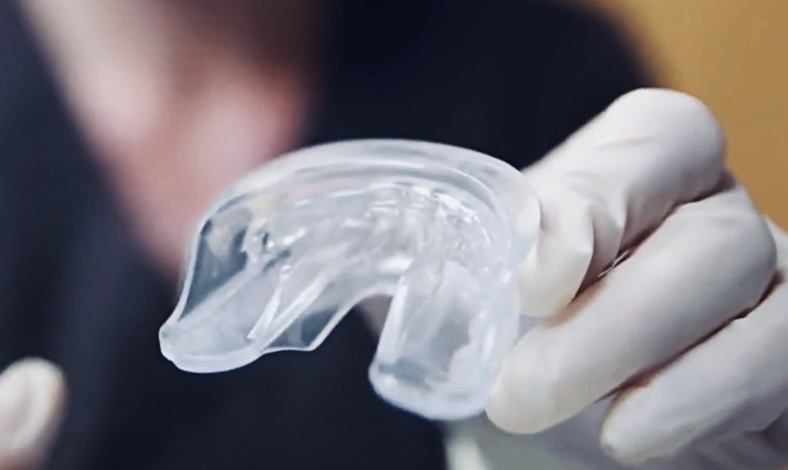
A TMJ dental mouth guard is a custom-fitted oral appliance that provides relief from temporomandibular joint disorders by protecting your teeth and jaw joints. This therapeutic device reduces muscle tension, prevents damage from teeth grinding, and helps realign your jaw position during sleep. Understanding how TMJ mouth guards work and their benefits can help you determine whether this non-invasive treatment option is right for managing your jaw pain and related symptoms.
What is a TMJ mouth guard and how does it work?
A TMJ dental mouth guard is a hard, acrylic oral appliance designed to treat temporomandibular joint disorders by repositioning your jaw and reducing stress on the joint. The device works by creating a barrier between your upper and lower teeth while gently realigning your jaw into a more comfortable position during sleep.
The mouth guard functions by distributing bite forces evenly across the appliance rather than concentrating pressure on specific teeth or jaw joints. This redistribution helps relax the muscles around your temporomandibular joint and prevents the involuntary clenching or grinding that often worsens TMJ symptoms. The appliance also maintains proper jaw spacing, which reduces compression on the joint and surrounding tissues.
When you wear the guard, it holds your jaw in a therapeutic position that minimizes strain on the temporomandibular joint. This positioning allows inflamed tissues to heal while preventing further damage from nighttime teeth grinding or jaw clenching. The result is reduced muscle tension and decreased pressure on the sensitive joint structures.
What specific benefits can you expect from wearing a TMJ mouth guard?
TMJ mouth guards provide multiple therapeutic benefits, including significant pain reduction, improved sleep quality, protection from teeth grinding damage, fewer headaches, and prevention of further joint deterioration. Most patients experience noticeable relief from jaw discomfort within the first few weeks of consistent use.
Pain relief is often the most immediate benefit, as the appliance reduces pressure on inflamed joint tissues and relaxes overworked jaw muscles. Many people find their chronic jaw pain diminishes substantially when the joint is properly supported during sleep.
Sleep quality typically improves because you are no longer waking up from jaw pain or the sounds of teeth grinding. The mouth guard eliminates the disruptive grinding noise while reducing the muscle tension that can cause restless sleep.
Protection from dental damage is another significant advantage. The hard acrylic surface absorbs the forces from grinding and clenching, preventing wear on your natural teeth. This protection can save thousands of dollars in future dental repairs while preserving your tooth enamel.
Headache reduction occurs because many TMJ-related headaches stem from muscle tension in the jaw and neck area. By relaxing these muscles, the mouth guard often provides relief from chronic morning headaches and facial pain.
How do you know if you need a TMJ mouth guard?
You may benefit from a TMJ mouth guard if you experience jaw pain, clicking or popping sounds when opening your mouth, teeth grinding, morning headaches, or difficulty fully opening your mouth. These symptoms often indicate temporomandibular joint dysfunction that could respond well to mouth guard therapy.
Jaw pain that worsens throughout the day or occurs primarily in the morning suggests nighttime clenching or grinding. If you wake up with a sore jaw or your partner mentions hearing grinding sounds during your sleep, a mouth guard could provide significant relief.
Clicking, popping, or grinding sounds when you open and close your mouth indicate joint dysfunction. While not always painful initially, these sounds often progress to more serious symptoms without proper treatment.
Chronic headaches, particularly those occurring in the morning or in the temple area, frequently relate to TMJ disorders. If traditional headache treatments have not been effective, jaw-related issues might be the underlying cause.
Limited jaw opening or locking sensations suggest advanced TMJ dysfunction. If you notice decreased range of motion or your jaw occasionally gets stuck, a professional evaluation for mouth guard therapy is recommended.
What’s the difference between custom TMJ mouth guards and over-the-counter options?
Custom TMJ mouth guards are professionally fitted using precise impressions of your teeth and bite pattern, while over-the-counter options use generic sizing. Custom guards provide superior comfort, effectiveness, and durability because they are specifically designed for your unique jaw structure and TMJ condition.
The difference in fit is substantial. Custom guards are fabricated from detailed molds of your teeth, ensuring precise alignment and optimal therapeutic positioning. Over-the-counter guards rely on one-size-fits-most approaches that rarely provide proper jaw positioning for TMJ relief.
Effectiveness varies significantly between the two options. Custom guards are designed to address your specific TMJ symptoms and jaw alignment issues. Generic guards may provide some protection from grinding but often lack the precise positioning needed for therapeutic benefit.
Durability is another key difference. Professional-grade materials used in custom guards typically last several years with proper care. Over-the-counter options often wear out within months and may not withstand heavy grinding forces.
Comfort levels differ dramatically. Custom guards feel natural and comfortable because they are made specifically for your mouth. Generic options frequently cause gagging, difficulty sleeping, or mouth soreness that can prevent consistent use.
How long does it take to see results from wearing a TMJ mouth guard?
Most people notice initial improvement in TMJ symptoms within 1–2 weeks of consistent mouth guard use, with significant relief typically occurring within 4–6 weeks. Complete therapeutic benefits may take 2–3 months as jaw muscles adapt to the new positioning and inflammation decreases.
The adjustment period varies among individuals based on the severity of their TMJ condition and how consistently they wear the appliance. Some people experience immediate relief from grinding-related symptoms, while others need several weeks for muscle tension to fully release.
Factors that influence treatment speed include the extent of joint damage, how long you have had TMJ symptoms, and your commitment to wearing the guard every night. People with recent-onset symptoms often respond faster than those with chronic, long-term conditions.
During the initial weeks, you might experience mild soreness as your jaw adjusts to the new position. This temporary discomfort typically resolves as your muscles adapt to the therapeutic positioning provided by the guard.
Long-term benefits continue to develop over months of use. While initial pain relief may occur quickly, the full protective and healing benefits of proper jaw alignment develop gradually as inflamed tissues recover and muscle patterns normalize.
If you are experiencing TMJ symptoms that interfere with your daily comfort and sleep quality, a custom-fitted mouth guard could provide the relief you need. Our team specializes in creating precisely fitted TMJ appliances designed for your unique condition and comfort requirements. Request an appointment to discuss how a custom TMJ mouth guard can help restore your jaw comfort and improve your quality of life.