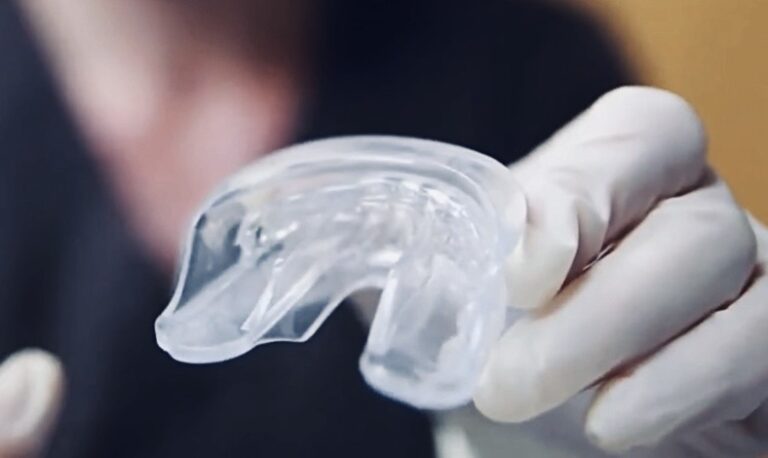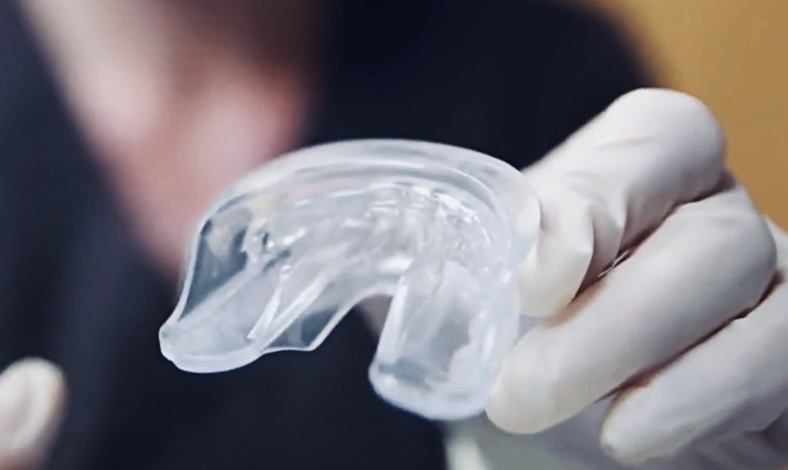
TMJ dental mouth guards and night guards serve different purposes despite their similar appearance. A TMJ mouth guard specifically treats temporomandibular joint disorders by realigning the jaw and reducing joint pressure, while a night guard primarily protects teeth from grinding damage during sleep. Understanding these differences helps you choose the right appliance for your specific condition and avoid potential complications from using the wrong type of guard.
What exactly is a TMJ mouth guard and how does it work?
A TMJ mouth guard is a custom-fitted dental appliance designed to treat temporomandibular joint disorders by repositioning the jaw into proper alignment. These guards reduce stress on the jaw joints and surrounding muscles while you sleep, providing relief from TMJ-related pain and helping prevent further joint damage.
TMJ dental mouth guards work through several mechanisms. They create a stable bite position that takes pressure off inflamed or damaged jaw joints. The appliance prevents your teeth from coming together in their usual position, which allows tense jaw muscles to relax. Most TMJ guards are made from hard acrylic material that maintains its shape and provides consistent jaw positioning throughout the night.
The design features of TMJ guards differ significantly from those of other oral appliances. They’re typically thicker and more rigid, with specific contours that guide your jaw into the optimal therapeutic position. This positioning helps decompress the temporomandibular joints, reducing inflammation and allowing damaged tissues to heal. The guard also helps prevent involuntary jaw clenching that often accompanies TMJ disorders.
What is a night guard and why do people need them?
A night guard is an oral appliance worn during sleep to protect teeth from damage caused by bruxism (teeth grinding and clenching). These guards act as a protective barrier between the upper and lower teeth, absorbing the force of grinding and preventing tooth wear, fractures, and other dental damage.
People need night guards when they grind or clench their teeth during sleep, often without realizing it. This unconscious habit can wear down tooth enamel, cause chips or cracks, and lead to tooth sensitivity. Night guards distribute the grinding forces across the appliance rather than concentrating them on individual teeth.
Night guards come in different materials and thicknesses depending on the severity of grinding. Soft guards work well for mild grinding, while harder materials handle more aggressive bruxism. The primary goal is tooth protection rather than jaw repositioning, so these guards typically maintain your natural bite position while providing a cushioning effect.
What’s the key difference between TMJ guards and night guards?
The key difference lies in their treatment purpose and design approach. TMJ guards focus on jaw repositioning and joint decompression to treat temporomandibular disorders, while night guards prioritize tooth protection from grinding forces without necessarily changing jaw position.
Design differences are significant between these appliances. TMJ guards are usually made from hard acrylic with specific thickness and contours that guide jaw alignment. They often cover fewer teeth but include precise bite surfaces that position the jaw therapeutically. Night guards can be made from various materials (soft, hard, or dual-layer) and typically provide full tooth coverage for maximum protection.
The positioning and fit also differ considerably. TMJ guards are designed to alter your natural bite position to relieve joint pressure, while night guards generally maintain your existing bite relationship. This fundamental difference means that using the wrong type of guard may not address your specific problem and could potentially create new issues.
How do you know which type of mouth guard you need?
Determining the right guard type requires identifying your specific symptoms and underlying condition. TMJ symptoms include jaw pain, clicking or popping sounds, difficulty opening your mouth, headaches, and ear pain. Bruxism symptoms focus more on tooth wear, morning jaw soreness, and partner complaints about grinding sounds.
Professional diagnosis is essential because symptoms can overlap between conditions. Many people with TMJ disorders also grind their teeth, while chronic bruxism can sometimes contribute to TMJ problems. A dental professional can evaluate your jaw joints, examine tooth wear patterns, and assess muscle tension to determine the primary issue.
Several factors influence guard selection, including the severity of symptoms, underlying causes, and treatment goals. Your dentist will consider whether you need jaw repositioning, tooth protection, or both. They will also evaluate your bite relationship, joint function, and any existing dental work that might affect appliance design.
Can you use a night guard for TMJ problems or vice versa?
Using the wrong type of guard can be problematic and may not provide the relief you need. A regular night guard won’t address TMJ joint dysfunction because it doesn’t reposition the jaw or decompress the temporomandibular joints. Similarly, using a TMJ guard solely for tooth grinding protection might not provide adequate coverage for all teeth.
The risks of improper guard use include continued symptoms, potential worsening of your condition, and development of new problems. A night guard might actually worsen TMJ symptoms if it maintains a problematic bite position. Conversely, a TMJ guard might not protect all teeth adequately if grinding is your primary concern.
However, some situations allow for crossover benefits. A properly designed TMJ guard often helps reduce grinding by addressing underlying jaw tension. Some people find that treating their TMJ disorder eliminates their bruxism entirely. Professional evaluation ensures you receive the most appropriate treatment for your specific combination of symptoms and conditions.
Choosing between a TMJ dental mouth guard and a night guard depends on accurate diagnosis of your underlying condition. While both appliances are worn during sleep and may look similar, their therapeutic approaches differ significantly. Professional evaluation ensures you receive the right treatment approach for lasting relief. If you’re experiencing jaw pain, teeth grinding, or related symptoms, request an appointment to determine which type of oral appliance will best address your specific needs.