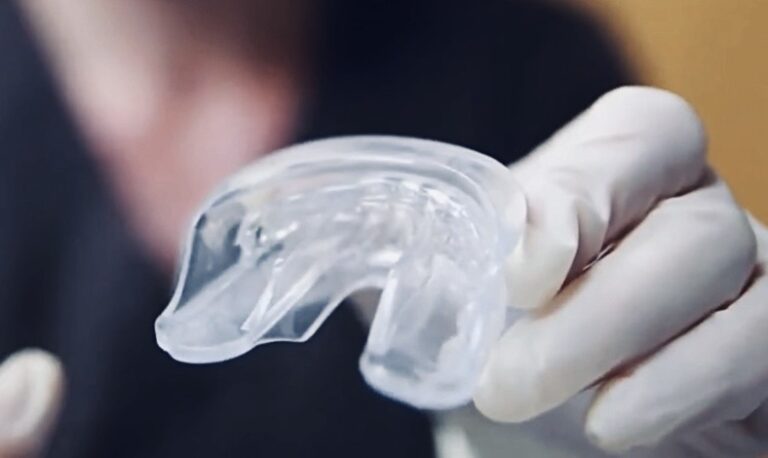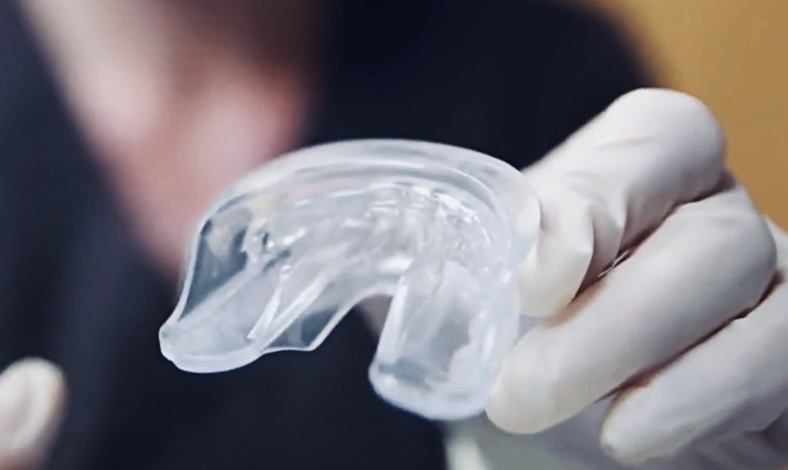
A TMJ dental mouth guard typically lasts 6 months to 5 years, depending on several factors including material quality, grinding severity, and maintenance habits. Custom-fitted guards generally last longer than over-the-counter options due to superior materials and a precise fit. Proper care and regular dental checkups help maximize your guard’s lifespan and effectiveness.
What factors determine how long a TMJ mouth guard will last?
Several key variables affect how long your TMJ dental mouth guard will serve you effectively. Material quality plays the primary role, with hard acrylic guards typically lasting longer than softer materials. The severity of your grinding and clenching habits directly impacts wear rates, as intense bruxism can wear through even durable materials more quickly.
Your individual bite pattern and jaw alignment also influence longevity. Some people have bite patterns that create more pressure on specific areas of the guard, leading to uneven wear. The frequency of nighttime jaw clenching affects durability too, with nightly heavy clenchers needing replacements more often than occasional grinders.
Proper care habits significantly extend your guard’s life. Regular cleaning, safe storage, and avoiding exposure to heat help maintain the material’s integrity. Additionally, any changes in your dental work, such as new fillings or crowns, can alter how your guard fits and functions.
How do you know when it’s time to replace your TMJ mouth guard?
Several warning signs indicate your TMJ mouth guard needs replacement. Visible wear patterns, such as thin spots, cracks, or actual holes, compromise the guard’s protective function. A loose fit that allows the guard to move around in your mouth or fall out during sleep means it’s no longer providing proper jaw alignment.
Increased jaw pain or discomfort upon waking often signals that your guard is no longer effectively cushioning your bite. Changes in how your teeth come together when you remove the guard in the morning can indicate the appliance has warped or worn unevenly.
Sharp edges or rough spots that irritate your gums or cheeks develop as the material degrades. If cleaning becomes difficult due to permanent staining, odor, or buildup in cracks, replacement ensures better oral hygiene. Any significant changes in your bite or dental work also necessitate a new guard to maintain proper fit and function.
What’s the difference between over-the-counter and custom TMJ guards in terms of longevity?
Custom TMJ guards typically last 2–5 years, while over-the-counter options usually need replacement every 3–6 months. The superior materials used in custom guards, such as high-grade acrylic, resist wear better than the softer plastics commonly found in drugstore versions.
Precision fit makes a significant difference in durability. Custom guards are made from exact impressions of your teeth, creating even pressure distribution that prevents premature wear in specific areas. Over-the-counter guards often fit poorly, causing uneven stress that leads to faster breakdown.
From a cost perspective, custom guards represent better long-term value despite higher upfront costs. While a drugstore guard might cost $20–50 and last a few months, a custom guard costing $300–600 can serve you for years. The superior comfort and effectiveness of custom guards also mean better treatment outcomes for your TMJ symptoms.
How can you extend the life of your TMJ mouth guard?
Proper maintenance significantly extends your TMJ mouth guard’s lifespan. Clean your guard daily with cool water and a soft toothbrush, using mild soap or denture cleaner rather than toothpaste, which can be abrasive. Rinse thoroughly and allow it to air-dry completely before storage.
Store your guard in a ventilated case away from heat sources, pets, and direct sunlight. Extreme temperatures can warp the material and compromise the fit. Avoid chewing on the guard during the day or using it for anything other than its intended purpose.
Regular dental checkups allow your dentist to assess the guard’s condition and make adjustments as needed. Bring your guard to every appointment so we can evaluate its fit and function. Address any dental changes promptly, as new fillings, crowns, or orthodontic work may require guard modifications.
Handle your guard gently when inserting and removing it to prevent stress fractures. Keep backup storage cases in different locations to avoid losing or damaging your primary case.
If you’re experiencing TMJ symptoms or need a custom mouth guard evaluation, we’re here to help you find the right solution for comfortable, restful sleep. Our team can assess your specific needs and create a personalized treatment plan that addresses your jaw health concerns. Request an appointment to discuss how a properly fitted TMJ guard can improve your comfort and protect your oral health.