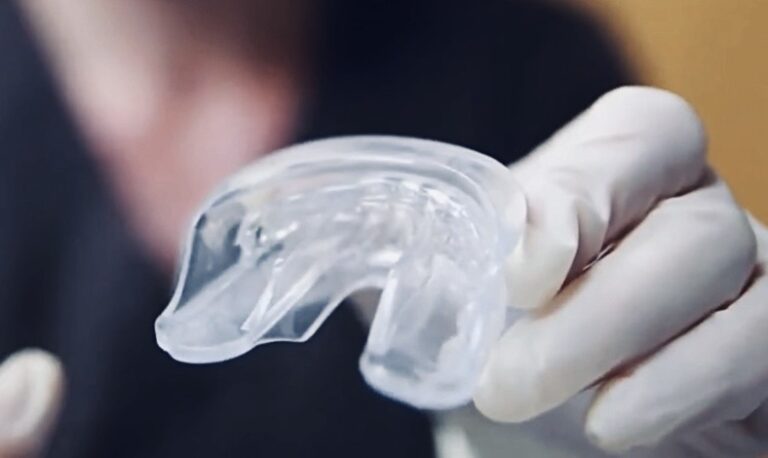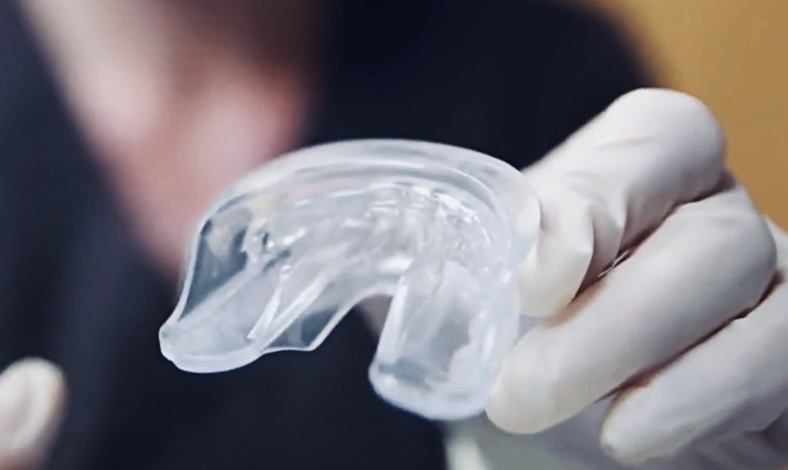
A TMJ dental mouth guard works by repositioning your jaw to reduce pressure on the temporomandibular joint and surrounding muscles. This custom-fitted appliance prevents teeth grinding, maintains proper jaw alignment during sleep, and allows inflamed tissues to heal. Most patients experience significant pain relief within 2–4 weeks of consistent use, though individual results vary based on the severity of symptoms and underlying causes.
What is TMJ and why does it cause jaw pain?
TMJ (temporomandibular joint disorder) occurs when the joints connecting your jawbone to your skull become inflamed or misaligned. These joints act like sliding hinges, allowing you to open and close your mouth, chew, and speak. When functioning properly, the jaw moves smoothly with cushioning cartilage and a small disc that absorbs shock.
The disorder develops when this delicate system becomes disrupted. Common symptoms include jaw pain, clicking or popping sounds when opening your mouth, muscle tension around the jaw and temples, and difficulty chewing. Some people experience locked jaw, where the mouth will not open or close completely.
Several factors contribute to TMJ dysfunction, including teeth grinding (bruxism), jaw clenching, arthritis, injury to the jaw or head, and stress. Poor bite alignment can also force the jaw muscles to work harder, leading to strain and inflammation. The pain occurs because the overworked muscles become tight and tender, while the joint itself may become inflamed from excessive pressure or improper movement.
How does a TMJ mouth guard actually work to relieve pain?
A TMJ dental mouth guard functions as a protective barrier and realignment tool that addresses multiple causes of jaw pain simultaneously. The appliance creates a stable bite position that reduces strain on the temporomandibular joint and allows the surrounding muscles to relax.
The guard works by preventing direct tooth contact, which stops destructive grinding and clenching that often occur during sleep. This protection reduces the force transmitted to the jaw joint, giving inflamed tissues time to heal. The appliance also maintains proper jaw positioning by guiding the lower jaw into optimal alignment with the upper jaw.
During sleep, when most people unconsciously grind or clench their teeth, the mouth guard absorbs and distributes the forces that would otherwise damage teeth and strain jaw muscles. The hard acrylic material is designed to be slightly thicker in specific areas, creating the ideal jaw position for your unique bite pattern.
This repositioning effect helps decompress the temporomandibular joint, reducing pressure on sensitive nerves and blood vessels in the area. As muscle tension decreases and proper alignment is maintained, inflammation subsides and pain gradually diminishes.
What are the different types of mouth guards for TMJ treatment?
TMJ mouth guards come in two main categories: custom-fitted professional guards and over-the-counter options. Custom guards, created by dental professionals, offer superior fit, comfort, and therapeutic effectiveness. These are made from impressions of your teeth and designed specifically for your bite pattern and TMJ symptoms.
Professional TMJ guards are typically made from hard acrylic materials that provide durability and precise jaw positioning. Some designs focus on the upper teeth, while others fit the lower arch, depending on your specific needs. The thickness and shape are carefully calculated to achieve optimal jaw alignment for your condition.
Over-the-counter guards are less expensive but offer limited customization. These “boil-and-bite” or preformed options may provide some protection from grinding but rarely address the jaw-positioning component crucial for TMJ relief. They are often made from softer materials that may not provide adequate support for severe cases.
The choice between guard types depends on symptom severity, budget considerations, and treatment goals. Professional guards work better for moderate to severe TMJ symptoms because they are designed to address the underlying jaw alignment issues, not just protect teeth from grinding damage.
How long does it take for a TMJ mouth guard to reduce jaw pain?
Most patients notice some improvement in jaw pain within the first week of wearing a properly fitted TMJ mouth guard, with significant relief typically occurring within 2–4 weeks. However, the timeline varies based on how long you have had symptoms, the severity of your condition, and how consistently you wear the appliance.
During the initial adjustment period, you may experience some discomfort as your jaw adapts to the new positioning. This is normal and usually subsides within a few days. Some people notice reduced morning jaw stiffness almost immediately, while muscle tension and clicking sounds may take longer to improve.
Factors that influence treatment speed include the underlying cause of your TMJ disorder, whether you have additional issues like arthritis, and your compliance with wearing the guard as directed. Most dental professionals recommend wearing the appliance every night for optimal results.
Signs that your mouth guard is working effectively include decreased jaw pain upon waking, reduced clicking or popping sounds, improved ability to open your mouth fully, and less muscle tension in your face and neck. If you do not notice improvement after 4–6 weeks of consistent use, consult your dentist about adjustments or alternative treatments.
When should you see a dentist about TMJ jaw pain?
You should consult a dentist about TMJ symptoms if you experience persistent jaw pain lasting more than a few days, difficulty opening or closing your mouth, or clicking and popping sounds accompanied by pain. Other warning signs include headaches that seem related to jaw tension, ear pain without infection, and facial swelling around the jaw area.
Professional evaluation becomes essential when jaw pain interferes with eating, speaking, or sleeping. If you notice your bite feels different or your teeth do not fit together properly, these changes may indicate TMJ dysfunction requiring professional attention.
During a TMJ evaluation, we examine your jaw movement, listen for joint sounds, and assess muscle tenderness around your face and neck. We may take X-rays or other imaging to evaluate the joint structure and rule out other conditions. This comprehensive assessment helps determine whether a TMJ dental mouth guard is appropriate for your specific situation.
Professional treatment differs from self-care approaches because we can identify underlying causes and create customized solutions. While home remedies like warm compresses and jaw exercises provide temporary relief, professional treatment addresses the root causes of TMJ dysfunction for long-term improvement.
If you are experiencing persistent jaw pain or TMJ symptoms, we can help you find relief through properly fitted mouth guard therapy and comprehensive treatment planning. Request an appointment to discuss your symptoms and explore personalized treatment options that can restore your comfort and jaw function.