A TMJ dental mouth guard typically begins providing relief within 2–6 weeks of consistent nightly use. Many patients notice immediate comfort improvements when wearing the guard, while significant symptom reduction usually occurs after the initial 1–2-week adjustment period. The exact timeline depends on your TMJ severity, proper fit, and consistent wear habits.
What is a TMJ mouth guard and how does it help jaw pain?
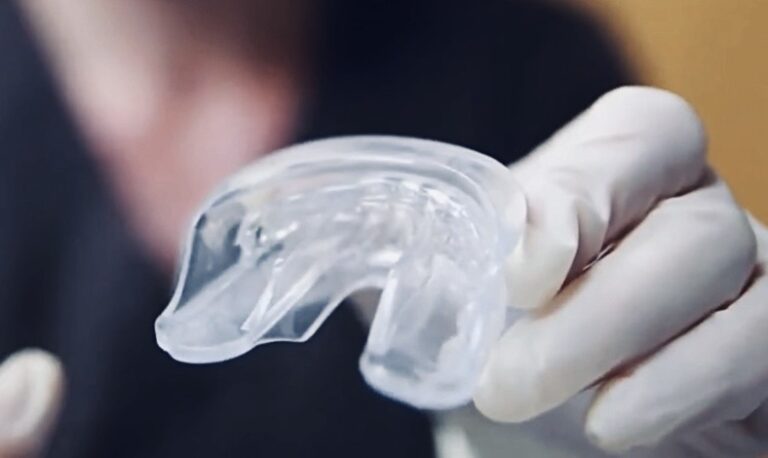
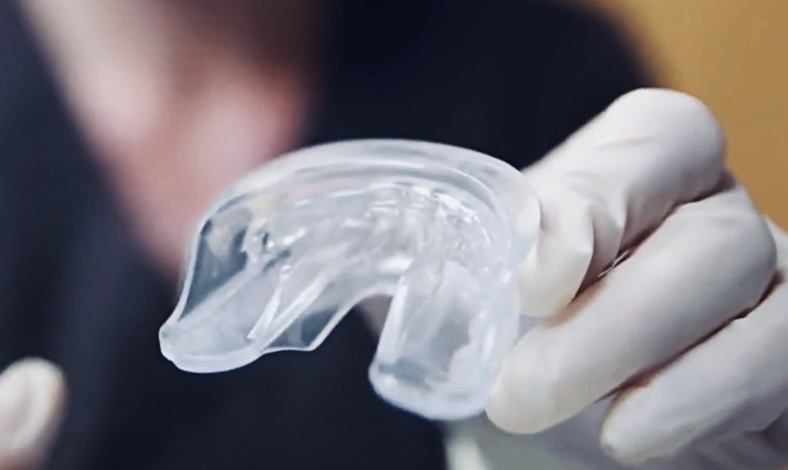
A TMJ dental mouth guard is a custom-fitted oral appliance designed to treat temporomandibular joint disorders by repositioning your jaw and reducing pressure on the joint. Also called splints, night guards, or occlusal appliances, these devices are typically made from hard acrylic material that realigns your jaw while you sleep.
The guard works by creating a barrier between your upper and lower teeth, preventing grinding and clenching that worsen TMJ symptoms. This protective positioning reduces stress on the jaw muscles and joints, allowing inflamed tissues to heal. The appliance also helps maintain proper jaw alignment, which takes tension off the temporomandibular joint and surrounding muscles.
TMJ mouth guards effectively address multiple symptoms, including jaw pain, headaches, facial muscle tension, and ear discomfort. By preventing bruxism (teeth grinding) and maintaining optimal jaw positioning throughout the night, the guard provides a noninvasive treatment option that protects both your teeth and jaw joints from further damage.
How long does it typically take to feel relief from a TMJ mouth guard?
Most patients experience initial comfort improvements immediately when wearing their TMJ guard, with significant symptom relief typically occurring within 2–6 weeks of consistent nightly use. The treatment timeline follows a predictable pattern that varies based on individual factors.
During the initial 1–2 weeks, your mouth adjusts to wearing the appliance while you sleep. Some patients notice reduced morning jaw stiffness and fewer headaches within the first few days. This adjustment period allows your jaw muscles to begin relaxing and adapting to the corrected positioning.
Weeks 2–6 typically bring more substantial improvements as inflamed joint tissues heal and muscle tension decreases. Consistent wear during this period is crucial for achieving optimal results. Many patients report significant reductions in jaw pain, headaches, and facial muscle tension by the end of the sixth week.
Long-term benefits continue developing beyond the initial treatment period. With ongoing use, the TMJ guard helps prevent future joint damage while maintaining the therapeutic positioning that keeps symptoms manageable.
What factors affect how quickly your TMJ mouth guard works?
Several key variables influence how quickly your TMJ guard provides relief, with proper fit and consistent use being the most critical factors for treatment success. Understanding these elements helps set realistic expectations for your recovery timeline.
TMJ symptom severity significantly impacts treatment speed. Mild cases often respond within 2–3 weeks, while severe joint inflammation or muscle tension may require 6–8 weeks for substantial improvement. Long-standing TMJ disorders typically need more time to heal than recently developed symptoms.
Proper fit and professional adjustments ensure the guard positions your jaw correctly without causing additional discomfort. An ill-fitting appliance can delay results or create new problems. Regular dental checkups during the initial treatment period allow for necessary modifications.
Consistent nightly wear is essential for therapeutic success. Skipping nights interrupts the healing process and prolongs symptom relief. Your individual healing response also varies based on age, overall health, and stress levels that may contribute to jaw tension.
Additional treatments such as stress management, jaw exercises, or addressing underlying dental issues can accelerate improvement when combined with mouth guard therapy.
Why might your TMJ mouth guard not be working as expected?
Common reasons for delayed or limited TMJ guard effectiveness include improper fit, inconsistent use, or underlying conditions requiring additional treatment approaches. Identifying these issues helps optimize your treatment plan for better results.
An improperly fitted guard can worsen symptoms by creating new pressure points or failing to maintain correct jaw alignment. Signs of poor fit include increased jaw pain, tooth sensitivity, or morning discomfort that wasn’t present before treatment began.
Inconsistent wear patterns significantly reduce treatment effectiveness. The guard needs nightly use to maintain therapeutic jaw positioning and allow healing. Occasional use provides temporary relief but doesn’t address the underlying joint and muscle issues.
Some patients require guard adjustments as their jaw position improves during treatment. What initially felt comfortable may need modification as muscles relax and joint inflammation decreases. This is normal and indicates that the treatment is working.
Underlying conditions such as severe arthritis, structural jaw abnormalities, or significant bite problems may require comprehensive treatment beyond mouth guard therapy. Persistent symptoms after 6–8 weeks of consistent use warrant professional evaluation for additional treatment options.
When should you see your dentist about TMJ mouth guard progress?
Schedule follow-up appointments within 2–4 weeks of receiving your TMJ guard, then regularly as recommended by your dentist to monitor progress and make necessary adjustments. Professional monitoring ensures optimal treatment outcomes and addresses any concerns promptly.
Contact your dentist promptly if you experience increased jaw pain, tooth sensitivity, or bite changes after starting guard therapy. These symptoms may indicate the need for appliance adjustments or modifications to your treatment plan.
Red flags requiring immediate attention include severe jaw locking, inability to open your mouth normally, or persistent headaches that worsen with guard use. These symptoms suggest the appliance may not be properly fitted or that additional evaluation is needed.
We monitor patient progress through regular checkups, tracking symptom improvements and making precise adjustments to optimize treatment effectiveness. Our comprehensive approach includes evaluating how well you’re adapting to the guard and whether additional therapies might benefit your specific condition.
Most patients benefit from follow-up visits at 2 weeks, 6 weeks, and 3 months during initial treatment. This schedule allows us to fine-tune your appliance and ensure you’re experiencing the expected improvements in jaw comfort and function.
If you’re experiencing TMJ symptoms and want to explore whether a custom mouth guard could help, we’re here to evaluate your specific needs and develop a personalized treatment plan. Request an appointment to discuss your TMJ concerns and learn about effective treatment options.