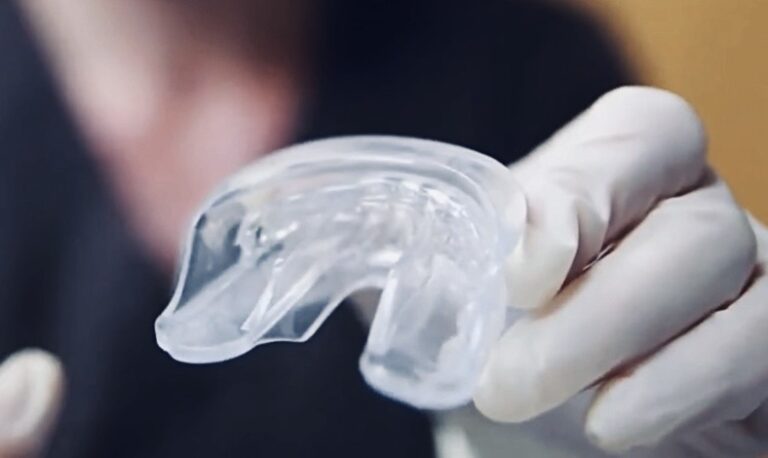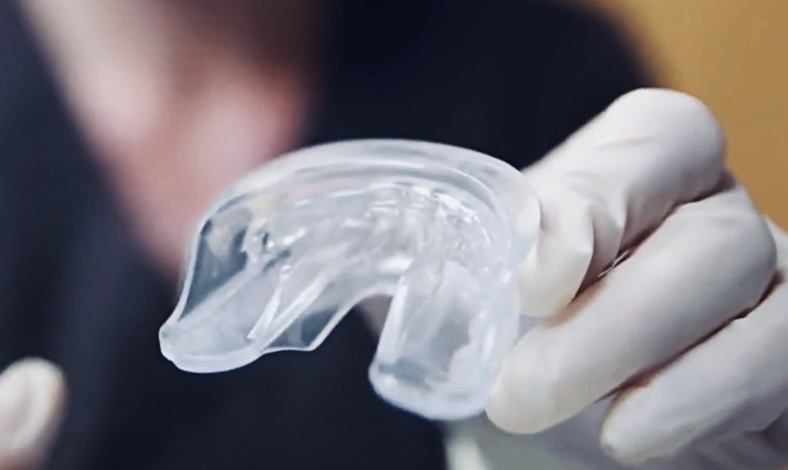
Yes, TMJ mouth guards can significantly help with teeth grinding by providing a protective barrier that prevents tooth damage while reducing jaw muscle tension and joint stress. These specialized appliances work by repositioning the jaw and cushioning the bite forces that occur during bruxism episodes. Understanding how TMJ disorders and teeth grinding are connected helps explain why these custom-fitted guards offer both immediate protection and long-term therapeutic benefits.
What is TMJ and how does it relate to teeth grinding?
TMJ (temporomandibular joint disorder) affects the joints connecting your jaw to your skull, often causing pain, clicking sounds, and restricted jaw movement. Teeth grinding, or bruxism, frequently occurs alongside TMJ disorders because both conditions involve excessive muscle tension and jaw dysfunction that can trigger or worsen each other.
The temporomandibular joints work like hinges, allowing your jaw to move smoothly for speaking, chewing, and yawning. When these joints become inflamed or misaligned, the surrounding muscles compensate by clenching or grinding, especially during sleep when you cannot consciously control jaw movements.
This creates a cycle in which TMJ symptoms lead to increased grinding, which then puts additional stress on the already compromised joints. The constant pressure from grinding can worsen joint inflammation, increase muscle tension, and cause additional complications such as headaches, earaches, and worn tooth surfaces.
How do TMJ mouth guards actually help with teeth grinding?
TMJ dental mouth guards work by creating a cushioned barrier between your upper and lower teeth while gently repositioning your jaw into a more comfortable, therapeutic position. This dual action protects your teeth from grinding damage and reduces the muscle tension that contributes to both TMJ pain and bruxism episodes.
The guard redistributes bite forces across a larger surface area, preventing the concentrated pressure that occurs when teeth grind directly against each other. This cushioning effect reduces the impact on your temporomandibular joints, allowing inflamed tissues to heal while preventing further damage.
Additionally, the appliance maintains a slight separation between your teeth, which naturally relaxes the jaw muscles and reduces their tendency to clench. This muscle relaxation often extends to surrounding areas, helping alleviate tension headaches and neck pain commonly associated with TMJ disorders.
What’s the difference between TMJ mouth guards and regular night guards?
TMJ mouth guards are specifically designed to treat joint disorders and are typically made from hard acrylic materials that can reposition your jaw, while regular night guards focus primarily on protecting teeth from grinding damage using softer materials that maintain your natural bite position.
Regular night guards act mainly as protective barriers, cushioning your teeth without significantly altering jaw position. They are often made from softer materials and designed to prevent tooth wear rather than address underlying jaw dysfunction.
TMJ dental mouth guards, however, are precisely crafted to hold your jaw in a therapeutic position that reduces joint stress and muscle tension. These appliances require detailed bite analysis and custom fitting to ensure they provide both protection and treatment benefits. The harder acrylic construction allows for precise jaw positioning while maintaining durability for long-term use.
How long does it take to see results from wearing a TMJ mouth guard?
Most people experience immediate tooth protection and notice reduced morning jaw pain within the first week of wearing a TMJ mouth guard. However, significant improvement in TMJ symptoms typically develops gradually over 4–8 weeks as jaw muscles relax and joint inflammation decreases.
The initial adaptation period usually lasts 3–7 nights as you adjust to sleeping with the appliance. During this time, you may experience mild discomfort or increased saliva production, which normally resolves as you become accustomed to the guard.
Long-term therapeutic benefits continue developing over several months of consistent use. Factors that influence treatment success include the severity of your TMJ condition, compliance with wearing the guard nightly, and addressing contributing factors such as stress or poor sleep habits. We often recommend regular follow-up appointments to monitor progress and make any necessary adjustments to optimize your treatment results.
If you are experiencing TMJ symptoms or teeth grinding, a custom-fitted mouth guard could provide the relief you need. Our team specializes in creating personalized TMJ appliances designed specifically for your unique bite pattern and therapeutic needs. Request an appointment to discuss how a TMJ dental mouth guard can help improve your comfort and protect your oral health.