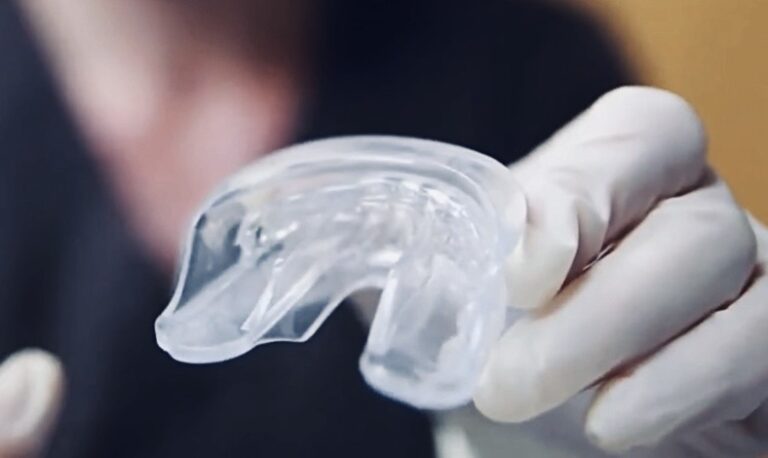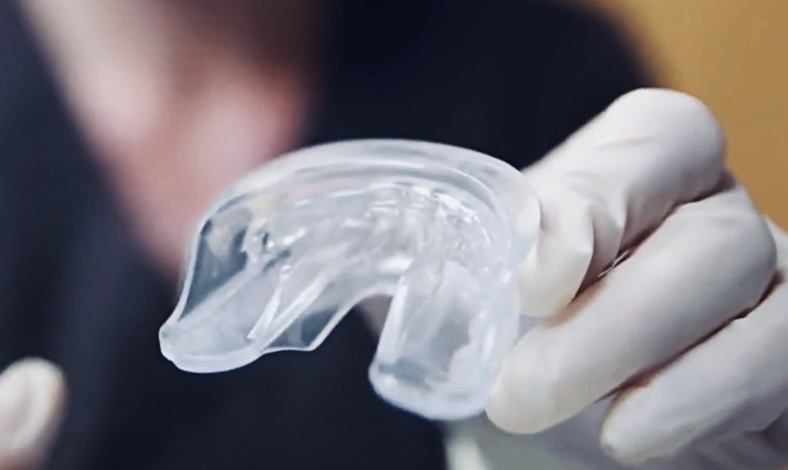
You likely need a TMJ dental mouth guard if you experience jaw pain, teeth grinding, clicking sounds when opening your mouth, or frequent headaches. A TMJ mouth guard protects your teeth from grinding damage while reducing muscle tension and promoting proper jaw alignment during sleep. A professional evaluation helps determine whether your symptoms indicate temporomandibular joint dysfunction that requires protective intervention.
What are the warning signs that indicate you might need a TMJ mouth guard?
Several key symptoms suggest you may benefit from a TMJ dental mouth guard. Persistent jaw pain, especially upon waking, often indicates nighttime teeth grinding or jaw clenching. You might notice clicking, popping, or grinding sounds when opening or closing your mouth, which can signal joint dysfunction.
Frequent headaches, particularly in the morning, can result from overnight jaw tension. Many people also experience difficulty opening their mouth fully or feel as though their jaw gets “stuck” in certain positions. Teeth grinding, known as bruxism, often accompanies TMJ disorders and causes significant tooth wear.
Additional warning signs include facial pain, ear pain without infection, and neck or shoulder tension. Some people notice their bite feels different or that their teeth don’t fit together properly. If you wake up with a sore jaw or your partner mentions you grind your teeth at night, these are strong indicators that a TMJ mouth guard could provide relief.
How does a TMJ mouth guard actually help with jaw problems?
A TMJ dental mouth guard works by creating a protective barrier between your upper and lower teeth, preventing grinding damage while promoting proper jaw alignment. The appliance reduces muscle tension by positioning your jaw in a more relaxed, natural position during sleep.
The guard absorbs the force from clenching and grinding, protecting your teeth from wear while reducing stress on the temporomandibular joint. By maintaining optimal jaw positioning, it allows the surrounding muscles to relax rather than remain tense throughout the night.
Custom-fitted guards provide precise alignment that can help reduce inflammation in the joint area. The appliance also helps break the cycle of muscle spasms that often perpetuate TMJ symptoms. While it doesn’t cure TMJ disorders, consistent use can significantly reduce pain and help prevent further joint damage.
What’s the difference between over-the-counter and custom TMJ mouth guards?
Custom TMJ mouth guards offer superior fit, comfort, and effectiveness compared to store-bought options. Professional guards are made from high-quality materials using precise impressions of your teeth, ensuring optimal positioning and durability that can last several years with proper care.
Over-the-counter guards use a one-size-fits-all approach that may not provide adequate protection or proper jaw alignment. These generic options often feel bulky, may shift during sleep, and can actually worsen TMJ symptoms if they don’t fit correctly.
Custom guards typically cost more initially, ranging from $300 to $800, while store-bought versions cost $20 to $100. However, professional guards last longer and provide better therapeutic results. The precise fit of custom guards makes them more comfortable for nightly wear, increasing compliance with treatment. For mild, occasional grinding, over-the-counter options might suffice temporarily, but persistent TMJ symptoms require professional evaluation and custom appliance therapy.
When should you see a dentist about TMJ symptoms instead of self-treating?
Professional evaluation becomes necessary when TMJ symptoms persist for more than two weeks, worsen over time, or significantly impact your daily activities. Severe jaw pain, inability to open your mouth normally, or jaw locking requires immediate dental attention.
Red flag symptoms include sudden changes in your bite, severe headaches that don’t respond to over-the-counter pain relievers, or ear pain accompanied by jaw symptoms. If you notice significant tooth wear or your sleep partner reports loud grinding sounds, professional intervention can help prevent further damage.
Your dentist can properly diagnose TMJ disorders through a comprehensive examination, including bite analysis and joint assessment. Professional treatment ensures you receive the most appropriate therapy, whether that’s a custom TMJ mouth guard, other appliances, or complementary treatments. Early intervention often leads to better outcomes and helps prevent the condition from becoming more complex or painful.
If you’re experiencing TMJ symptoms that interfere with your comfort or daily life, professional evaluation can provide the relief you need. Custom TMJ mouth guards offer effective, non-invasive treatment that addresses both immediate symptoms and long-term joint health. Request an appointment to discuss how a personalized TMJ treatment plan can help restore your comfort and protect your jaw health.