Finding the best TMJ mouth guard for severe jaw pain is not as simple as choosing the hardest or most expensive appliance available. The right guard depends on an accurate assessment of what is driving your symptoms — because jaw pain has many possible causes, and no single appliance design is appropriate for every patient. Pain severity alone does not determine which type of guard a clinician should prescribe.
Why assessment comes before buying a mouth guard
TMJ disorder affects the temporomandibular joint that connects your jaw to your skull, and it can produce a wide range of symptoms: pain upon waking, clicking or popping sounds, restricted jaw movement, facial muscle soreness, earaches, and chronic headaches. Many people also experience neck tension they do not immediately connect to nighttime jaw activity.
Because these symptoms can arise from different underlying causes — including bruxism, jaw clenching, bite misalignment, muscle dysfunction, or joint inflammation — the appliance that helps one patient may do nothing for another, or even worsen their condition. Selecting a guard based on a product label or marketing claim rather than a clinical evaluation is unlikely to produce reliable relief.
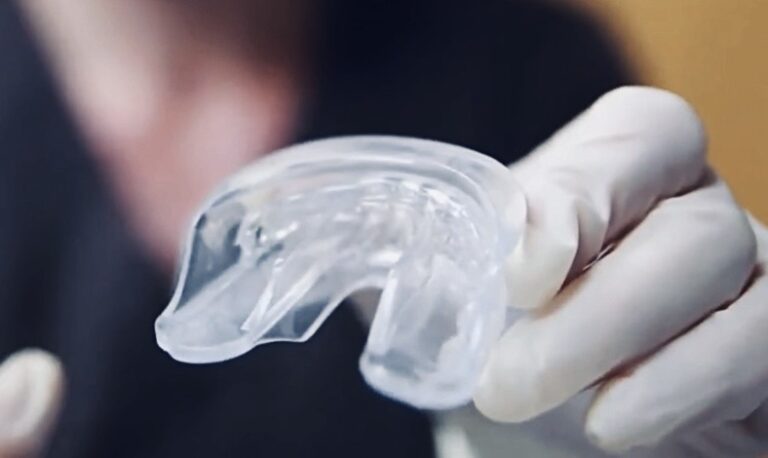
A TMJ dental mouth guard, when properly prescribed, works by creating a barrier between your upper and lower teeth, reducing grinding and clenching forces, and helping to position your jaw in a way that eases pressure on the joint. The key phrase is properly prescribed: the design, material, thickness, and placement of the guard all need to match your specific situation.
Questions that guide the right choice
Before any appliance is recommended, a thorough evaluation should address several important questions:
- What are your primary symptoms? Grinding-related tooth wear, joint pain, muscle tension, and jaw locking each point toward different treatment priorities.
- Where and when does the pain occur? Pain that is worst on waking suggests a different pattern than pain that builds throughout the day.
- Has your bite changed recently? A change in how your teeth come together can be a sign that an existing appliance needs adjustment or that another cause needs investigation.
- Have previous guards helped, made no difference, or made things worse? This history is clinically important and should be shared with your provider.
- Are there other contributing factors? Stress, posture, sleep quality, and systemic conditions can all influence jaw symptoms and affect which approach is most appropriate.
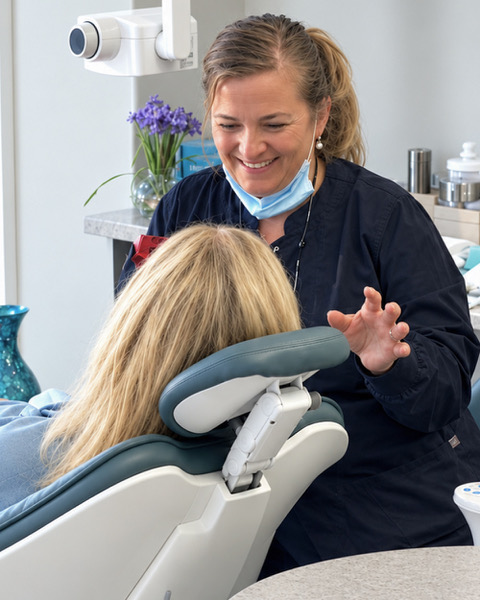
A custom mouth guard assessment gives your clinician the information needed to match an appliance to your actual condition rather than to a general symptom category.
Why material and marketing labels do not establish suitability
Over-the-counter guards are widely available and inexpensive, but their generic sizing means they cannot reliably achieve the precise fit and jaw positioning that therapeutic appliances require. Some patients find temporary comfort in them; others find they interfere with sleep or provide no benefit at all.
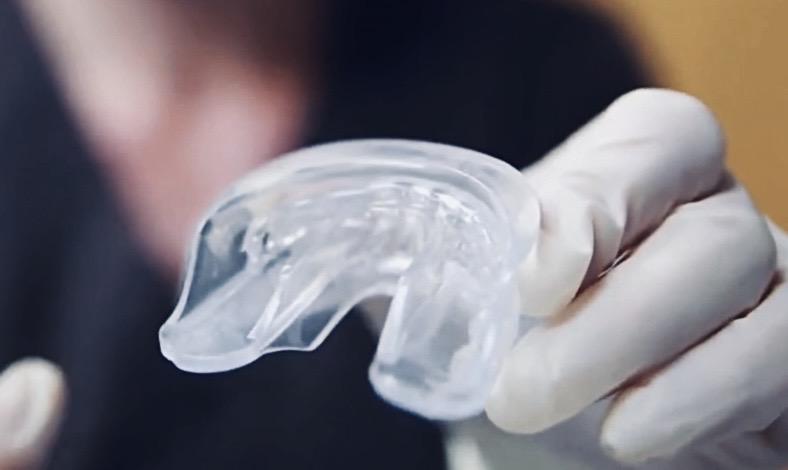
Custom professional guards are fabricated from impressions of your own teeth and can be designed to specific therapeutic goals. However, the material — whether hard acrylic, soft vinyl, or a dual-laminate combination — is a clinical decision, not a quality ranking. A guard’s material needs to suit your grinding intensity, joint sensitivity, muscle response, and bite relationship. The same is true of whether an upper or lower guard is more appropriate: that depends on your individual bite anatomy and clinical findings, not a general rule.
Cost and fabrication time also vary depending on the complexity of your case, the materials used, and the laboratory involved. These are details your provider can clarify after evaluation, not figures that apply universally.
When to stop using an appliance and seek advice
If you are wearing a mouth guard and your symptoms are worsening rather than improving, do not continue using it without professional guidance. A guard that causes new pain, alters your bite, or makes it harder to close your teeth comfortably needs to be assessed and adjusted or replaced. Continuing to use an appliance that is causing discomfort can sometimes make the underlying problem more difficult to treat.
Follow-up appointments are an essential part of appliance therapy, not an optional add-on. Jaw joints and muscles respond to treatment over time, and refinements to the guard are often needed as your symptoms change.
What to do when symptoms are severe or worsening
Some jaw symptoms require prompt professional attention rather than a wait-and-see approach. If you are experiencing severe or rapidly worsening jaw pain, jaw locking that prevents you from opening or closing your mouth fully, visible swelling around the jaw or face, or pain following an injury, you should seek evaluation promptly. These presentations may have causes that go beyond routine TMJ appliance therapy, and early assessment leads to better outcomes. Contact us for an urgent dental assessment if your symptoms are acute or have changed suddenly.
Taking the next step
If jaw pain is affecting your sleep, your daily comfort, or your ability to eat and speak normally, a professional evaluation is the most reliable starting point — not a product purchase. The right appliance, properly fitted and monitored, can provide meaningful relief. The wrong one, however well-intentioned, may not. Request an appointment to discuss your symptoms and find out which approach is appropriate for your specific condition.