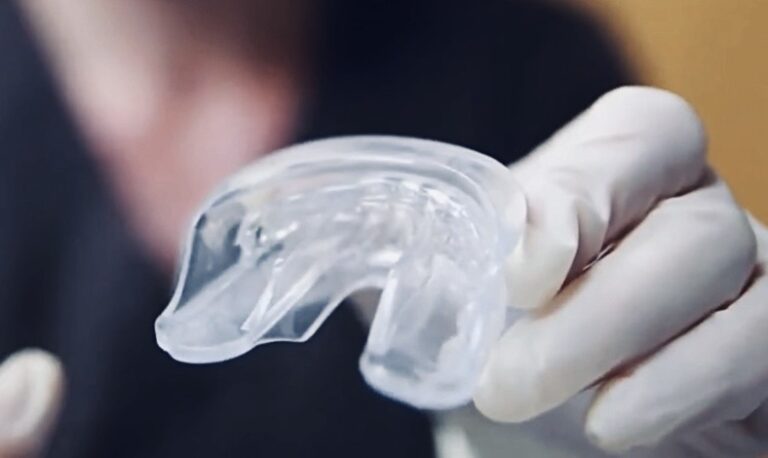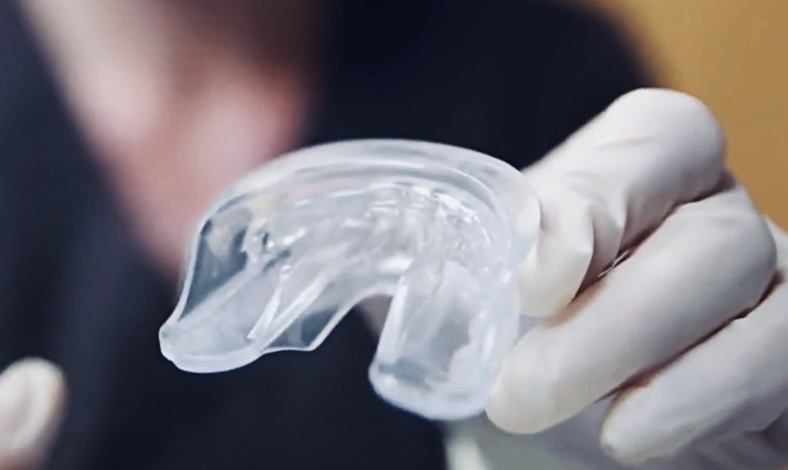
A TMJ dental mouth guard typically costs between $300 and $800 for a custom-made appliance from a dental professional, while over-the-counter options range from $20 to $100. Custom guards provide a better fit and greater therapeutic benefits for treating temporomandibular joint disorders. A professional evaluation determines which type best addresses your specific jaw pain and symptoms.
What exactly is a TMJ mouth guard and how does it work?
A TMJ dental mouth guard is a custom-fitted oral appliance designed to treat temporomandibular joint disorders by repositioning the jaw and reducing muscle tension. These therapeutic devices work by promoting proper jaw alignment during sleep, preventing teeth grinding, and relieving pressure on the temporomandibular joints.
The appliance functions as a protective barrier between your upper and lower teeth while gently guiding your jaw into a more comfortable position. This realignment reduces strain on the jaw muscles and joints, which often become overworked due to clenching, grinding, or structural imbalances. Unlike simple bite guards, TMJ mouth guards are specifically designed to address the complex biomechanics of jaw movement.
As part of comprehensive TMJ treatment plans, these guards work alongside other therapies such as physical therapy or stress management. The appliance provides immediate symptom relief while allowing inflamed tissues to heal, making it an essential component of non-surgical TMJ management.
How much does a custom TMJ mouth guard typically cost?
Custom TMJ mouth guards from dental professionals typically range from $300 to $800, depending on materials, complexity, and geographic location. This investment includes professional evaluation, custom impressions, fabrication, and fitting adjustments. Over-the-counter alternatives cost $20 to $100 but offer limited therapeutic benefits.
Several factors influence cost variations within this range. Hard acrylic appliances designed for severe grinding typically cost more than softer materials used for mild cases. Complex cases requiring multiple adjustments or specialized designs may reach the higher end of the pricing spectrum.
The significant price difference between custom and over-the-counter options reflects the personalized approach. Custom guards require dental impressions, laboratory fabrication, and professional fitting to ensure proper jaw alignment. This precision makes them more effective for TMJ treatment compared with generic alternatives that may not address your specific bite pattern or jaw positioning needs.
What’s the difference between TMJ mouth guards and regular night guards?
TMJ mouth guards are specifically designed to reposition the jaw and treat joint disorders, while regular night guards primarily protect teeth from grinding damage. TMJ appliances focus on therapeutic jaw alignment, whereas standard night guards simply create a protective barrier between the upper and lower teeth.
The design features differ significantly between these appliances. TMJ guards incorporate precise bite positioning to reduce joint pressure and muscle tension. They are typically made from harder materials and include specific contours that guide jaw movement into optimal positions.
Regular night guards prioritize cushioning and tooth protection. They are often softer and designed to absorb grinding forces rather than correct jaw positioning. While both prevent tooth damage, only TMJ-specific appliances address the underlying joint dysfunction that causes the pain, clicking, and limited jaw movement associated with temporomandibular disorders.
Does dental insurance cover TMJ mouth guard treatment?
Many dental insurance plans provide partial coverage for TMJ mouth guards when deemed medically necessary, typically covering 50–80% of the cost after deductibles. Coverage varies significantly between plans, with some requiring preauthorization or specific documentation of TMJ diagnosis and failed conservative treatments.
To maximize insurance benefits, your dentist typically needs to document TMJ symptoms, previous treatment attempts, and medical necessity. Some insurers require evidence of conservative treatments such as physical therapy or medication before approving appliance therapy. Medical insurance may sometimes cover TMJ treatment when dental insurance does not, particularly if the condition affects overall health.
Before beginning treatment, contact your insurance provider to understand specific coverage requirements. Ask about annual maximums, waiting periods, and whether preauthorization is needed. Some flexible spending accounts or health savings accounts can also help cover out-of-pocket expenses for TMJ mouth guard therapy.
How do you know if you need a TMJ mouth guard versus other treatments?
TMJ mouth guards are most beneficial for patients experiencing jaw pain, teeth grinding, morning headaches, or jaw clicking that worsens at night. If symptoms primarily occur during sleep or upon waking, a mouth guard often provides significant relief. A professional evaluation determines whether appliance therapy is appropriate for your specific condition.
Signs that indicate mouth guard therapy may help include worn teeth from grinding, jaw muscle tenderness, difficulty opening your mouth fully, or ear pain without infection. These symptoms suggest mechanical issues that oral appliances can address effectively through proper jaw positioning and muscle relaxation.
Alternative treatments such as physical therapy, stress management, or injectable therapies may be more appropriate for TMJ caused by muscle tension, trauma, or inflammatory conditions. Some patients benefit from combination approaches. A thorough dental evaluation, including bite analysis and symptom assessment, helps determine whether a TMJ mouth guard should be your primary treatment or part of a comprehensive management plan.
If you’re experiencing TMJ symptoms and wondering whether a custom mouth guard could provide relief, a professional evaluation is the best way to determine the right treatment approach for your specific condition. Our team can assess your jaw function and discuss personalized treatment options. Request an appointment to learn more about TMJ mouth guard therapy and find the solution that works best for you.