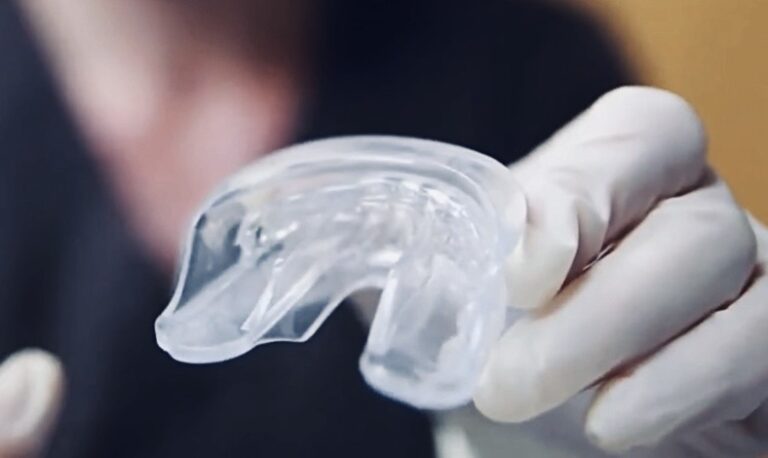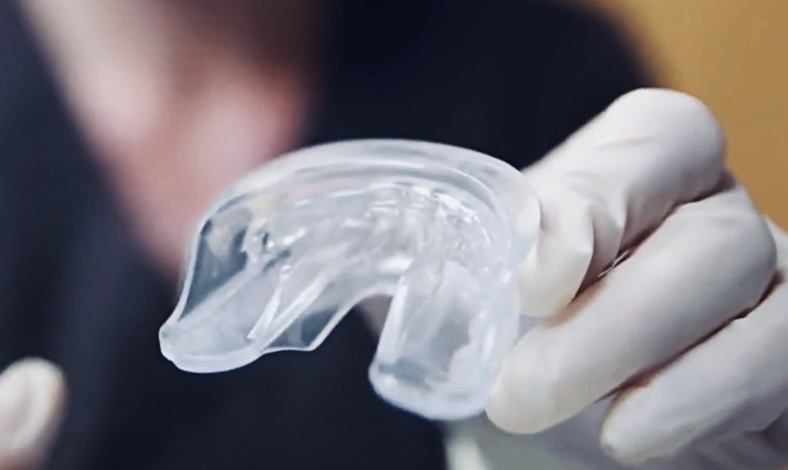
Yes, you can sleep with a TMJ mouth guard, and it’s actually the recommended time to wear one. Most TMJ dental mouth guards are specifically designed for overnight use to protect your jaw joints and muscles while you sleep. While there may be an initial adjustment period, the majority of people successfully adapt to sleeping with their guard within one to two weeks of consistent use.
What is a TMJ mouth guard and how does it work while you sleep?
A TMJ mouth guard is a custom-fitted oral appliance designed to realign your jaw and reduce stress on the temporomandibular joints during sleep. Unlike regular dental guards that primarily protect teeth from grinding, a TMJ dental mouth guard is typically made from hard acrylic material and precisely crafted to reposition your jaw into proper alignment.
These therapeutic devices work by creating a barrier between your upper and lower teeth while gently guiding your jaw into a more relaxed position. This reduces pressure on the TMJ joints and surrounding muscles, helping prevent the clenching and grinding that often occur unconsciously during sleep. The guard essentially acts as a shock absorber, distributing bite forces more evenly and allowing your jaw muscles to rest in a natural, unstrained position throughout the night.
Can you sleep comfortably with a TMJ mouth guard in your mouth?
Most people can sleep comfortably with a TMJ mouth guard after an adjustment period of one to two weeks. Initially, you may experience some discomfort, increased saliva production, or difficulty falling asleep as your mouth adapts to the new appliance. These challenges are normal and typically resolve as you become accustomed to wearing the guard.
Comfort levels depend largely on proper fitting and gradual adaptation. A well-fitted custom guard should feel secure without being overly tight or causing pressure points. Some people find it helpful to wear the guard for short periods during the day at first to speed up the adjustment process. Your sleep quality may temporarily decrease during the first few nights, but most patients report improved sleep once they’ve adapted to the appliance.
What are the benefits of wearing a TMJ mouth guard overnight?
Wearing a TMJ mouth guard overnight provides multiple therapeutic benefits, including jaw muscle relaxation, protection from teeth grinding, reduced joint pressure, and improved sleep quality. Consistent overnight use helps break the cycle of jaw clenching and muscle tension that contributes to TMJ pain and dysfunction.
The guard protects your teeth from the damaging effects of bruxism while simultaneously reducing strain on your jaw joints. This dual protection helps prevent further injury and allows inflamed tissues to heal. Many patients experience reduced morning jaw pain, fewer headaches, and decreased facial muscle tension. Over time, regular nighttime use can contribute to significant improvement in overall TMJ symptoms and better-quality sleep.
How do you get used to sleeping with a TMJ mouth guard?
Start by wearing your TMJ mouth guard for short periods during the day to become familiar with the sensation before attempting overnight use. Begin with 30-minute sessions while reading or watching television, gradually increasing the time until you’re comfortable wearing it for several hours.
Establish a consistent bedtime routine that includes cleaning your guard and placing it properly before sleep. Practice relaxation techniques like deep breathing while wearing the guard to reduce any initial anxiety. If you experience excessive saliva production, try sleeping with your head slightly elevated. Ensure your guard fits properly without causing pressure points or loose spots. Contact your dental provider if discomfort persists beyond two weeks or if the guard feels loose or overly tight.
What should you do if your TMJ mouth guard disrupts your sleep?
If your TMJ mouth guard significantly disrupts your sleep after two weeks of consistent use, schedule an appointment with your dental provider to evaluate the fit and discuss adjustments. The guard may need minor modifications to improve comfort, or you might benefit from a different type of appliance altogether.
Consider whether you’re following proper insertion techniques and bedtime routines that promote adaptation. Sometimes, temporary sleep disruption is part of the adjustment process, but persistent problems require professional evaluation. Your dentist may recommend trying the guard earlier in the evening, adjusting the thickness, or exploring alternative treatment approaches. The goal is to find the right balance between therapeutic benefits and sleep quality, as both are essential for managing TMJ disorders effectively.
Successfully sleeping with a TMJ mouth guard requires patience and proper guidance from your dental team. We understand that adapting to any new oral appliance can be challenging, which is why we provide comprehensive support throughout your treatment journey. If you’re experiencing TMJ symptoms or have questions about whether a custom mouth guard could help improve your sleep and reduce jaw pain, we’re here to help you find the right solution for your specific needs.
Request an appointment to discuss how a custom TMJ mouth guard could help you achieve better sleep and jaw comfort.