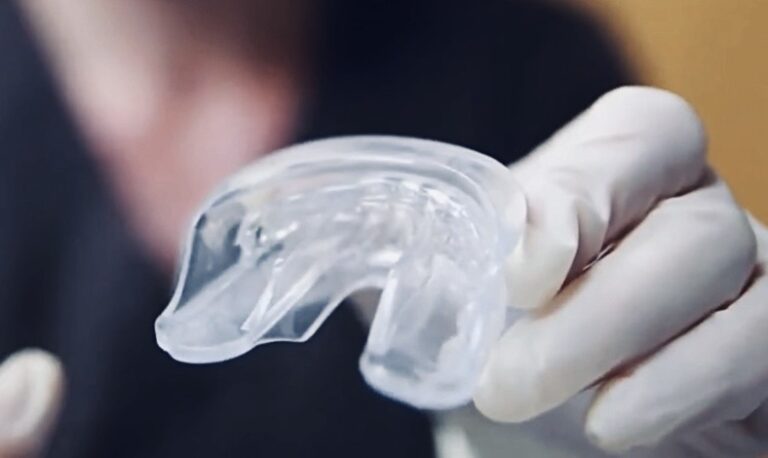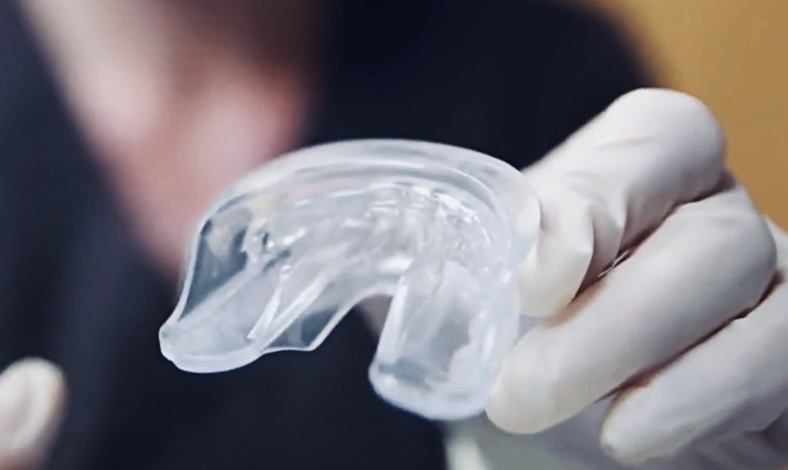
Yes, wearing a TMJ mouth guard during the day can be beneficial for people who experience daytime teeth grinding, jaw clenching, or persistent jaw pain. A TMJ dental mouth guard worn during daytime hours provides continuous protection for your jaw joints and muscles while allowing normal activities like speaking and drinking. The decision depends on your specific symptoms, lifestyle factors, and a professional evaluation of your temporomandibular joint disorder.
What is a TMJ mouth guard and how does it work during the day?
A TMJ mouth guard is a custom-fitted oral appliance designed to protect your jaw joints and muscles from the damaging effects of teeth grinding and clenching. During daytime wear, it works by creating a barrier between your upper and lower teeth, preventing direct contact that can cause wear and strain. The guard also helps realign your jaw position, reducing tension on the temporomandibular joint and surrounding muscles.
The mechanism behind daytime TMJ relief involves redistributing bite forces more evenly across your dental arch. When you unconsciously clench or grind during stressful situations, the guard absorbs and disperses this pressure, preventing concentrated force on individual teeth or jaw areas. This protection allows inflamed jaw muscles to relax and begin healing while you go about your daily activities.
Unlike nighttime guards that focus primarily on sleep bruxism, daytime TMJ mouth guards are specifically designed for conscious wear. They’re typically thinner and more comfortable for extended use, allowing for normal speech patterns and occasional drinking while maintaining therapeutic benefits throughout your waking hours.
When should you consider wearing a TMJ guard during daytime hours?
Consider daytime TMJ guard wear if you experience chronic jaw clenching during stressful situations, notice teeth grinding during concentrated work, or have jaw pain that worsens throughout the day. Many people unconsciously clench their jaw muscles during activities like driving, working at a computer, or handling stressful situations, making daytime protection essential for symptom management.
Specific symptoms that indicate potential benefit from daytime wear include morning jaw stiffness that persists, headaches that develop during the day, tooth sensitivity from grinding, and facial muscle tension. If you work in high-stress environments or have an occupation requiring intense concentration, you may be particularly prone to daytime jaw clenching that benefits from guard protection.
Occupational factors that contribute to TMJ symptoms include prolonged computer work, phone conversations requiring shoulder-to-ear positioning, or jobs involving repetitive jaw movements. People who notice their jaw pain correlates with work stress or specific daily activities often find significant relief with daytime TMJ protection.
What’s the difference between nighttime and daytime TMJ mouth guards?
Nighttime TMJ guards are typically thicker and more robust, designed to withstand the intense grinding forces that occur during sleep when jaw muscles can contract with full force. Daytime guards are thinner, more discreet, and prioritize comfort for extended conscious wear while maintaining protective benefits.
The material differences reflect their intended use patterns. Night guards often use harder acrylic materials that can handle severe bruxism, while daytime versions may incorporate softer, more flexible materials that allow for comfortable speech and normal oral functions. Daytime guards are designed to be less noticeable and more socially acceptable for workplace or public wear.
Functionality varies between the two types as well. Nighttime guards focus primarily on preventing tooth damage from unconscious grinding, while daytime guards emphasize muscle relaxation and joint positioning during conscious activities. The thickness difference also affects speech clarity, with daytime versions specifically engineered to minimize pronunciation changes during normal conversation.
How do you know if daytime TMJ guard wear is right for your situation?
Determine candidacy for daytime TMJ guard wear by assessing symptom severity, timing of pain occurrence, and impact on daily activities. If your jaw pain, headaches, or muscle tension consistently worsen during daytime hours or correlate with specific activities, daytime wear may provide significant relief.
Professional evaluation should consider your bite pattern, jaw alignment, severity of TMJ symptoms, and lifestyle factors. A dental professional can assess whether your temporomandibular joint disorder would benefit more from daytime protection, nighttime wear, or a combination approach. They’ll also evaluate whether other treatments should be tried before committing to daytime guard wear.
Alternative treatment options to consider include stress management techniques, jaw exercises, dietary modifications to reduce chewing strain, and addressing underlying causes of jaw tension. Some people find success with Botox injections, physical therapy, or lifestyle changes that reduce daytime clenching triggers. The decision for daytime guard wear should complement, not replace, comprehensive TMJ management strategies.
What should you expect when starting to wear a TMJ guard during the day?
Expect an adjustment period of 1–2 weeks when starting daytime TMJ guard wear, during which you may experience minor speech changes, increased saliva production, and awareness of the appliance. Most people adapt quickly to the sensation and find that initial discomfort diminishes as their mouth adjusts to the guard’s presence.
Initial speech changes are normal and typically resolve within a few days of consistent wear. You might notice slight differences in the pronunciation of certain sounds, particularly “s” and “th” sounds, but these adjustments become natural with practice. Drinking water and other beverages is usually possible with most daytime guards, though eating requires removal.
The timeline for symptom improvement varies, but many people notice reduced jaw tension within the first week and decreased pain within 2–4 weeks of consistent use. Proper care involves daily cleaning with gentle soap and water, storing the guard in a protective case when not in use, and regular professional check-ups to ensure a proper fit. Professional follow-up is essential for adjustments, monitoring progress, and ensuring the guard continues to provide optimal therapeutic benefit.
Managing TMJ symptoms effectively often requires professional guidance to determine the best treatment approach for your specific situation. If you’re experiencing jaw pain, teeth grinding, or other TMJ-related symptoms, a comprehensive evaluation can help determine whether a daytime TMJ guard or other treatment options would be most beneficial for your comfort and long-term oral health. Request an appointment to discuss your TMJ symptoms and explore personalized treatment options that can help you find relief.