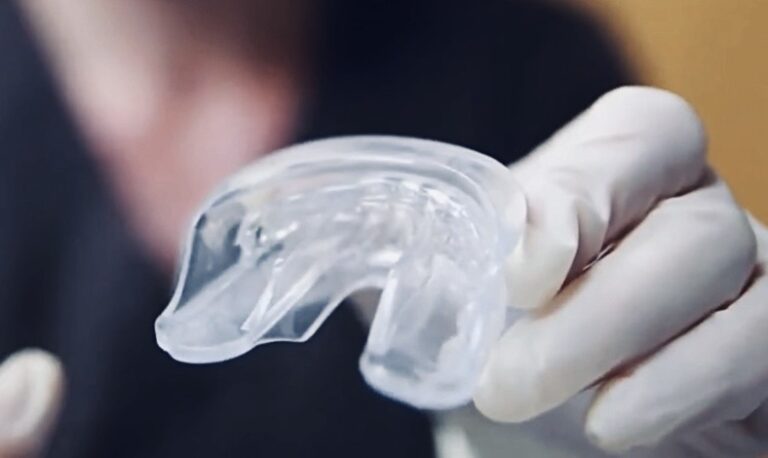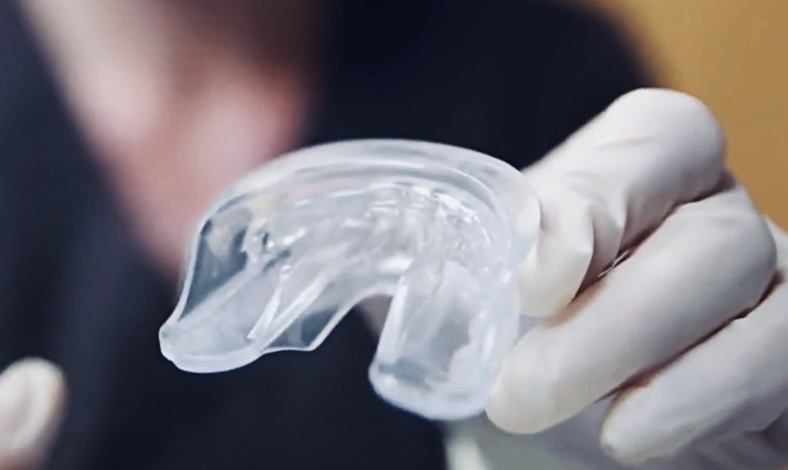
Proper care for your TMJ dental mouth guard involves daily cleaning with gentle soap and water, weekly deep sanitization, and proper storage in a ventilated case. Clean your guard immediately after each use to prevent bacterial buildup, and replace it when you notice persistent odors, cracks, or material degradation that home cleaning cannot address.
What’s the best daily cleaning routine for a TMJ mouth guard?
Clean your TMJ dental mouth guard immediately after removal using lukewarm water and gentle antibacterial soap. Rinse thoroughly under cool running water, brush gently with a soft-bristled toothbrush, and allow it to air dry completely before storage.
Your daily cleaning routine should become second nature to maintain both hygiene and the longevity of your appliance. Start by rinsing your mouth guard under lukewarm water as soon as you remove it, which helps loosen saliva and debris before they harden.
Apply a small amount of mild antibacterial soap to your fingers or a soft-bristled toothbrush. Avoid using your regular toothpaste, as many contain abrasive ingredients that can scratch the guard’s surface and create spaces for bacteria to accumulate. Gently brush all surfaces, paying special attention to the areas that contact your teeth and gums.
Rinse thoroughly under cool running water to remove all soap residue. Any remaining cleaning product can cause irritation in your mouth and may affect the taste of your guard. Pat it dry with a clean towel and allow the guard to air dry completely before placing it in its storage case.
How often should you deep clean your TMJ dental mouth guard?
Deep clean your TMJ mouth guard weekly using denture cleaning tablets or specialized mouth guard cleaners. Perform more thorough monthly sanitization if you notice buildup, discoloration, or odors that daily cleaning doesn’t eliminate.
Weekly deep cleaning goes beyond your daily maintenance routine to eliminate bacteria and buildup that regular washing might miss. Soak your guard in a denture cleaning solution for the time specified in the product instructions, typically 15–30 minutes.
Signs that indicate immediate deep cleaning include persistent odors even after daily cleaning, visible plaque or tartar buildup, or a cloudy appearance on the guard’s surface. If you’ve been ill, especially with oral infections or respiratory conditions, perform an extra deep clean to prevent recontamination.
Monthly sanitization involves a more thorough process using specialized cleaning solutions designed for dental appliances. This routine helps maintain the material integrity of your guard while ensuring optimal oral health. Consider increasing deep cleaning frequency if you have active gum disease or tend to build up plaque quickly.
What cleaning products are safe to use on TMJ mouth guards?
Safe cleaning products for TMJ mouth guards include mild antibacterial soap, denture cleaning tablets, and specialized mouth guard cleaners. Avoid toothpaste, mouthwash with alcohol, bleach, or hot water, as these can damage the guard material and reduce its effectiveness.
Recommended cleaning solutions work effectively without compromising your guard’s structure. Denture cleaning tablets are particularly effective because they’re formulated for similar materials and provide thorough sanitization without harsh abrasives.
Specialized mouth guard cleaners are designed specifically for dental appliances and offer the best balance of cleaning power and material safety. These products often come in foam or tablet form and are available at most pharmacies.
Products to avoid include regular toothpaste (contains abrasives), alcohol-based mouthwashes (can dry and crack the material), household cleaners like bleach or hydrogen peroxide (too harsh), and hot water (can warp the guard). Essential oils and vinegar solutions may also degrade certain guard materials over time.
How do you properly store a clean TMJ mouth guard?
Store your clean TMJ mouth guard in a ventilated case at room temperature after ensuring it’s completely dry. Avoid enclosed containers without air holes, extreme temperatures, and direct sunlight, which can promote bacterial growth or damage the guard material.
Proper storage begins with complete drying. Any moisture left on your guard can create an environment for bacteria and mold growth. Allow your guard to air dry on a clean towel for several minutes before storage.
Use the ventilated storage case provided by your dental office, as these are designed specifically for mouth guards. The air holes allow continued drying and prevent moisture buildup while protecting the guard from dust and damage.
Keep your storage case in a cool, dry location away from direct sunlight and heat sources. Avoid storing it in cars, bathrooms with poor ventilation, or anywhere temperatures fluctuate significantly. Replace your storage case periodically, as it can harbor bacteria even with regular cleaning.
What are the signs your TMJ mouth guard needs professional cleaning or replacement?
Replace your TMJ dental mouth guard when you notice persistent odors after cleaning, visible cracks or tears, significant wear patterns, or discoloration that won’t clear. Most guards need replacement every 1–3 years, depending on the material and usage patterns.
Warning signs of wear include rough or sharp edges that irritate your gums, a loose fit that allows teeth grinding, or visible thinning in areas where your teeth make contact. These changes indicate the guard is no longer providing adequate protection for your jaw joints.
Persistent odors that remain after thorough cleaning suggest deep bacterial penetration into the material. Similarly, permanent discoloration or cloudy areas that don’t respond to cleaning indicate material breakdown that compromises hygiene.
Professional evaluation becomes necessary when home cleaning no longer maintains your guard’s cleanliness or when you experience increased TMJ symptoms while wearing it. Changes in your bite or dental work may also require guard adjustments or replacement to maintain proper jaw alignment.
Maintaining your TMJ mouth guard properly ensures it continues protecting your jaw joints effectively while promoting good oral health. Regular cleaning and appropriate storage extend your guard’s lifespan and maintain its therapeutic benefits. If you’re experiencing TMJ symptoms or need a custom-fitted mouth guard, we provide comprehensive TMJ treatment solutions tailored to your specific needs. Request an appointment to discuss how a properly fitted TMJ guard can help alleviate your jaw pain and protect your oral health.