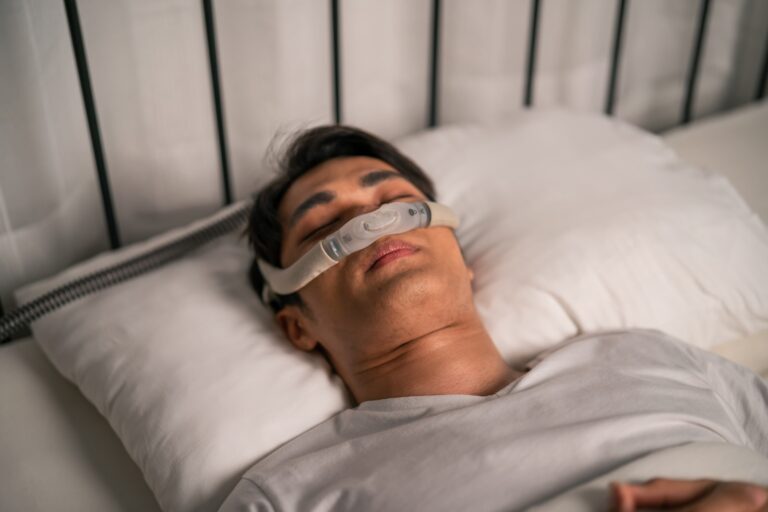
Sleep apnea treatment involves various medical approaches to address breathing interruptions during sleep that can seriously impact your health. Treatment options range from oral appliance therapy and CPAP machines to lifestyle changes and surgical interventions, with the best approach depending on the type and severity of your condition. Understanding your symptoms and available treatments helps you make informed decisions about improving your sleep quality and overall well-being.
What is sleep apnea and why is treatment essential?
Sleep apnea is a serious sleep disorder in which your breathing repeatedly stops and starts during sleep, disrupting your rest and reducing oxygen levels in your blood. The condition occurs when your upper airway becomes blocked or when your brain fails to send proper signals to the breathing muscles.
There are three main types of sleep apnea. Obstructive sleep apnea occurs when throat muscles relax and block your airway. Central sleep apnea occurs when your brain doesn’t send proper signals to control breathing. Complex sleep apnea syndrome combines both obstructive and central elements.
Treatment is essential because untreated sleep apnea can lead to serious health complications. You may experience cardiovascular problems, including high blood pressure, heart disease, and an increased risk of stroke. Daytime fatigue affects your ability to concentrate, work effectively, and drive safely. Cognitive impairment can impact memory, decision-making, and mood regulation, significantly reducing your quality of life.
What are the most common symptoms that indicate you need sleep apnea treatment?
The most recognizable symptoms include loud, chronic snoring accompanied by gasping or choking sounds during sleep. You might experience excessive daytime sleepiness despite spending adequate time in bed, along with morning headaches and difficulty concentrating throughout the day.
Additional warning signs include mood changes such as irritability or depression, frequent nighttime urination, and waking up with a dry mouth or sore throat. Your sleep partner may notice that you stop breathing for short periods during the night, followed by loud gasps or snorts as breathing resumes.
These symptoms can significantly impact daily life by affecting your work performance, relationships, and safety. Excessive daytime sleepiness increases the risk of accidents while driving or operating machinery. You should seek a professional evaluation if you experience multiple symptoms consistently, especially if loud snoring is combined with breathing interruptions or excessive daytime fatigue.
What treatment options are available for sleep apnea?
Sleep apnea treatment includes several approaches tailored to your specific condition type and severity. CPAP therapy uses a machine that delivers continuous positive airway pressure through a mask, keeping your airway open throughout the night. This remains the most common treatment for moderate to severe obstructive sleep apnea.
Oral appliance therapy offers a comfortable alternative, using custom-fitted devices that reposition your jaw and tongue to maintain an open airway. These work particularly well for mild to moderate cases and for patients who struggle with CPAP adherence.
Lifestyle modifications can significantly improve symptoms, including weight loss, avoiding alcohol before bedtime, sleeping on your side, and maintaining regular sleep schedules. Positional therapy helps patients who experience sleep apnea primarily when sleeping on their back. Surgical options range from removing excess tissue to repositioning jaw structures and are typically reserved for severe cases when other treatments prove ineffective.
How does oral appliance therapy work as an alternative to CPAP?
Oral appliance therapy uses custom-fitted dental devices that fit over your teeth like a retainer while you sleep. These appliances work by gently repositioning your lower jaw and tongue forward, which keeps your upper airway open and prevents the tissue collapse that causes breathing interruptions.
The treatment process begins with a comprehensive evaluation to determine whether you’re a good candidate, typically those with mild to moderate obstructive sleep apnea. We take detailed impressions of your teeth to create a perfectly fitted device that ensures comfort and effectiveness. The custom fabrication process ensures the appliance stays securely in place throughout the night.
Oral appliances offer significant advantages over CPAP therapy for many patients. They’re completely portable, making travel easier without worrying about electricity or bulky equipment. The devices are quiet, comfortable, and don’t require masks or hoses that some patients find claustrophobic. Compliance rates are often higher because the appliances integrate seamlessly into your bedtime routine without the complexity of CPAP maintenance.
What should you expect during sleep apnea treatment and follow-up care?
Your treatment journey typically begins with an initial consultation during which we review your symptoms, medical history, and sleep study results. If oral appliance therapy is recommended, we’ll take impressions and measurements to create your custom device, which usually takes a few weeks to fabricate.
The adjustment period involves gradually getting accustomed to wearing the appliance, with most patients adapting within a few nights to two weeks. You may experience minor jaw discomfort or increased salivation initially, but these effects typically resolve as you adjust to the device.
Regular follow-up appointments are crucial for monitoring treatment effectiveness and making any necessary adjustments. We coordinate with sleep specialists to ensure comprehensive care, often recommending follow-up sleep studies to verify treatment success. Ongoing monitoring includes checking device fit, addressing any comfort issues, and assessing your symptom improvement to ensure optimal long-term results.
Effective sleep apnea treatment can dramatically improve your sleep quality, daytime alertness, and overall health. The key is finding the right treatment approach that fits your lifestyle and medical needs. If you’re experiencing symptoms of sleep apnea or struggling with current treatment options, a professional evaluation can help determine the best path forward for restoring healthy sleep.
Ready to explore comfortable sleep apnea treatment options? Request an appointment to discuss how oral appliance therapy might improve your sleep and overall well-being.