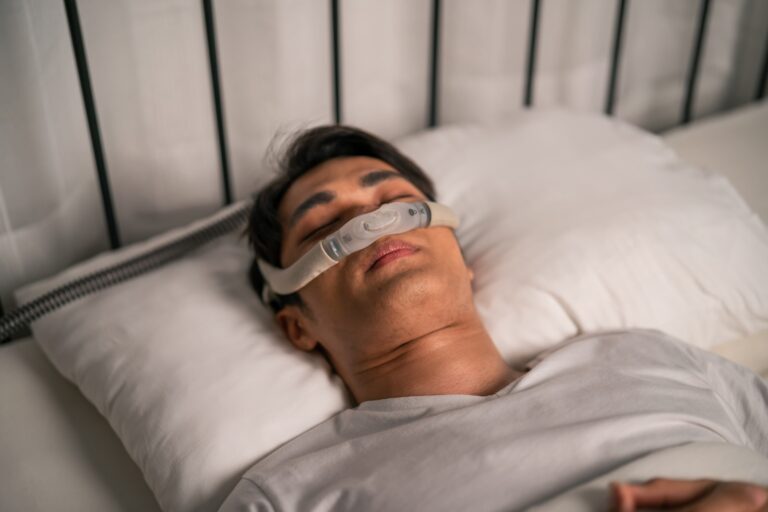
Several effective alternatives to CPAP exist for sleep apnea treatment, including oral appliances, lifestyle modifications, positional therapy, and surgical options. Oral appliances work particularly well for mild to moderate obstructive sleep apnea, offering comfort and convenience. The best alternative depends on your specific type and severity of sleep apnea, lifestyle preferences, and individual medical factors.
What are the most effective alternatives to CPAP therapy?
The most effective CPAP alternatives include oral appliances, lifestyle modifications, positional therapy, and surgical interventions. Oral appliances, particularly mandibular advancement devices, show excellent results for mild to moderate obstructive sleep apnea by repositioning the jaw to keep the airway open during sleep.
Oral appliances represent the most popular CPAP alternative because they’re comfortable, portable, and highly effective for appropriate candidates. These custom-fitted devices work by gently moving your lower jaw forward, preventing airway collapse during sleep. Unlike CPAP machines, they require no electricity, make no noise, and allow natural mouth movement.
Positional therapy helps patients who experience sleep apnea primarily when sleeping on their backs. Special devices or techniques encourage side sleeping, which naturally keeps the airway more open. Lifestyle modifications, including weight loss, alcohol reduction, and sleep hygiene improvements, can significantly reduce sleep apnea severity, especially when combined with other treatments.
How do oral appliances compare to CPAP machines for sleep apnea?
Oral appliances offer superior comfort and convenience compared to CPAP machines, with compliance rates often exceeding 80% versus 50–60% for CPAP therapy. While CPAP remains the gold standard for severe sleep apnea, oral appliances can be equally effective for mild to moderate cases, with significantly better patient satisfaction.
The key advantages of oral appliances include silent operation, no mask or tubing, easy travel, and the ability to drink water or speak while wearing them. CPAP machines provide more comprehensive pressure support but require consistent mask fitting and regular cleaning, and can cause claustrophobia or skin irritation.
We find that patients with mild to moderate obstructive sleep apnea, those who travel frequently, and individuals who struggle with CPAP compliance make ideal candidates for oral appliance therapy. The custom-fitted devices we provide ensure optimal comfort and effectiveness while seamlessly integrating into your lifestyle.
Can lifestyle changes really replace CPAP for sleep apnea treatment?
Lifestyle modifications alone rarely eliminate sleep apnea entirely but can significantly reduce symptoms and severity, particularly for mild cases. Weight loss, sleep position changes, alcohol reduction, and regular exercise work best as complementary approaches alongside other sleep apnea treatments rather than as standalone solutions.
Weight loss shows the most dramatic impact, with even modest reductions potentially improving sleep apnea symptoms. Avoiding alcohol and sedatives before bedtime helps prevent additional airway relaxation. Establishing consistent sleep schedules and optimizing your sleep environment support better overall sleep quality.
These changes enhance the effectiveness of other treatments like oral appliances, making them powerful components of comprehensive sleep apnea management. However, moderate to severe sleep apnea typically requires medical intervention beyond lifestyle modifications alone.
What surgical options exist for people who can’t tolerate CPAP?
Surgical alternatives include uvulopalatopharyngoplasty (UPPP), Inspire therapy, jaw advancement surgery, and various soft tissue procedures. These options are recommended when conservative treatments fail and sleep apnea significantly impacts health and quality of life, with success rates varying based on individual anatomy and procedure type.
Inspire therapy represents the most innovative surgical option, using a small implanted device that stimulates airway muscles to prevent collapse during sleep. This FDA-approved treatment works well for patients with moderate to severe obstructive sleep apnea who cannot use CPAP effectively.
Traditional surgical procedures like UPPP remove excess tissue from the throat, while jaw advancement surgery repositions facial bones to enlarge airway space. Recovery times range from weeks to months, depending on the complexity of the procedure. Candidates undergo thorough evaluation, including sleep studies and anatomical assessments, to determine the most appropriate surgical approach.
Finding the right sleep apnea treatment requires professional evaluation of your specific condition, lifestyle, and preferences. Our experienced team can help determine whether oral appliance therapy or other alternatives might work best for your situation. Request an appointment to discuss your sleep apnea treatment options and take the first step toward better sleep and improved health.