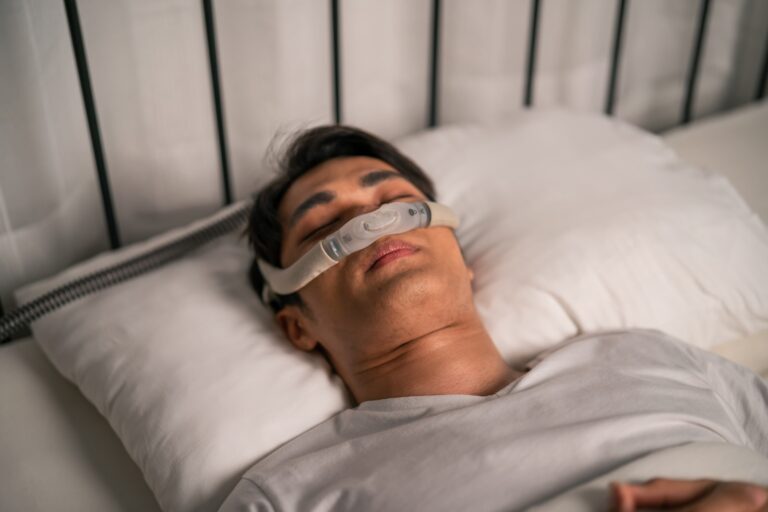
Oral appliance therapy typically offers the best long-term results for sleep apnea treatment, particularly for mild to moderate cases. Custom-fitted oral devices show higher patient compliance rates compared to CPAP machines because they are comfortable, portable, and do not require electricity. Success depends on the severity of your condition, your jaw anatomy, and your lifestyle needs.
What are the main treatment options for sleep apnea and how do they work?
The three primary sleep apnea treatment categories are CPAP therapy, oral appliance therapy, and surgical interventions. Each addresses airway obstruction differently to maintain an open airway during sleep.
CPAP (Continuous Positive Airway Pressure) machines deliver pressurized air through a mask to keep your airway open. The constant air pressure prevents the tissue collapse that causes breathing interruptions. While highly effective, CPAP requires electricity and regular cleaning, and many patients struggle with mask comfort.
Oral appliances work by repositioning your jaw and tongue to maintain airway space. These custom-fitted devices look similar to sports mouthguards and hold your lower jaw slightly forward during sleep. This positioning helps prevent soft tissues from blocking your airway.
Surgical options range from removing excess tissue to repositioning jawbones. These procedures permanently alter airway anatomy but involve recovery time and potential complications. Surgery is typically reserved for severe cases when other treatments have not succeeded.
Which sleep apnea treatment shows the most consistent long-term success?
Oral appliance therapy demonstrates the most consistent long-term success due to superior patient compliance and comfort. Treatment effectiveness over time relies heavily on whether patients actually use their prescribed therapy consistently.
Patient compliance rates tell the real story of treatment success. While CPAP machines are technically effective, many patients struggle with long-term use due to mask discomfort, noise, and travel inconvenience. Studies show that oral appliances maintain higher nightly usage rates over years of treatment.
The comfort factor significantly impacts sustained success. Oral devices integrate seamlessly into sleep routines without noise, electricity requirements, or bulky equipment. Patients can sleep in any position, travel easily, and avoid disturbing sleeping partners.
Different treatments perform better in different patient populations. Mild to moderate sleep apnea responds excellently to oral appliance therapy, while severe cases may require CPAP or surgical intervention. Your jaw anatomy and personal tolerance levels also influence which treatment will provide lasting results.
How do oral appliances compare to CPAP for long-term sleep apnea management?
Oral appliances typically achieve better long-term adherence rates than CPAP machines, with patients using them more consistently over time. Their comfort and convenience make oral devices more sustainable for daily use and lifestyle integration.
The comfort differences between these treatments are substantial. Oral appliances feel like wearing a retainer and do not interfere with natural sleep positions or breathing patterns. CPAP masks can cause facial irritation, dry mouth, and claustrophobic feelings that discourage consistent use.
Lifestyle compatibility strongly favors oral appliances for active individuals. These devices require no electricity, make no noise, and pack easily for travel. You can sleep anywhere without worrying about power outlets or disturbing others with machine sounds.
Effectiveness varies by sleep apnea type and severity. CPAP machines work for all severity levels and sleep apnea types, while oral appliances excel in obstructive sleep apnea cases that are mild to moderate. Your specific breathing patterns and airway anatomy determine which approach will provide better long-term management.
What factors determine which sleep apnea treatment will work best for you?
Sleep apnea severity, jaw anatomy, lifestyle preferences, and medical history are the primary factors that determine the optimal treatment choice. A professional evaluation considers these elements together to recommend the most suitable long-term approach for your specific situation.
Your sleep apnea severity level guides initial treatment selection. Mild to moderate cases often respond excellently to oral appliance therapy, while severe cases may require CPAP or surgical intervention. Sleep studies reveal the frequency and duration of breathing interruptions that inform treatment decisions.
Jaw anatomy and dental health significantly influence oral appliance success. Adequate teeth for device retention, healthy jaw joints, and proper bite alignment are essential considerations. We evaluate your mouth structure to ensure a comfortable fit and effective jaw positioning.
Lifestyle factors matter tremendously for long-term success. Frequent travelers, active sleepers, and those sensitive to noise often prefer oral appliances. Patients comfortable with technology and routine maintenance may adapt well to CPAP therapy. Your personal preferences directly impact treatment compliance and effectiveness.
At Ocean Dental & Aesthetics, we provide comprehensive evaluations to determine the most effective sleep apnea treatment for your individual needs. Our custom-fitted oral appliances offer a comfortable, convenient alternative that fits seamlessly into your lifestyle while effectively managing your sleep apnea. Request an appointment to explore how oral appliance therapy can improve your sleep quality and overall health.