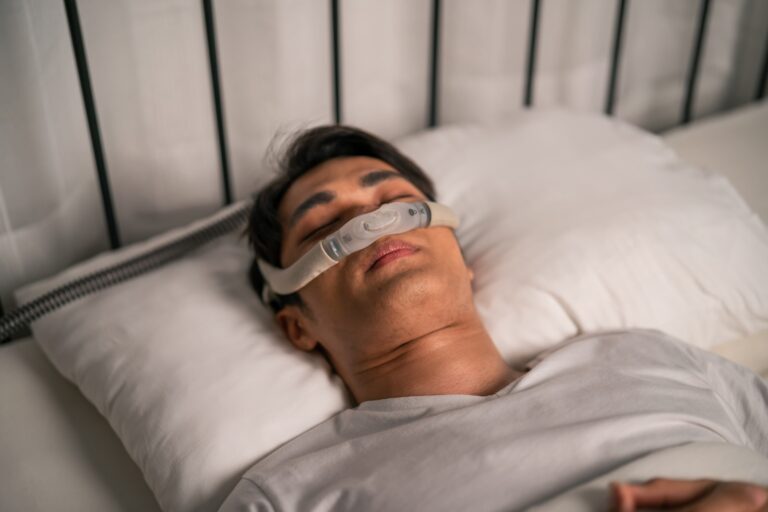
Oral appliances are highly effective for treating mild to moderate sleep apnea, with success rates comparable to CPAP therapy for many patients. These custom-fitted dental devices work by repositioning your jaw or tongue to keep your airway open during sleep. They offer a comfortable, portable alternative that many people find easier to use consistently than traditional CPAP machines.
What are oral appliances and how do they treat sleep apnea?
Oral appliances are custom-made dental devices that treat obstructive sleep apnea by keeping your airway open while you sleep. These mandibular advancement devices fit over your teeth like a retainer and gently move your lower jaw forward, which pulls your tongue and soft tissues away from the back of your throat.
The primary mechanism involves repositioning your jaw to create more space in your upper airway. When your jaw moves forward, it prevents the collapse of soft tissues that typically block breathing during sleep. Some devices also include tongue-retaining components that hold your tongue in a forward position for additional airway support.
We customize each appliance to fit your specific mouth structure and sleep apnea severity. The device works throughout the night to maintain proper jaw positioning, allowing for uninterrupted breathing and better sleep quality. This approach addresses the root cause of airway obstruction rather than just managing symptoms.
How effective are oral appliances compared to CPAP machines?
Oral appliances show excellent effectiveness for mild to moderate sleep apnea, with patient compliance rates often exceeding those of CPAP therapy. While CPAP machines may provide slightly better airway pressure control for severe cases, oral appliances achieve similar results for many patients due to consistent nightly use.
The key difference lies in patient comfort and adherence. Many people find oral appliances more tolerable because they’re quieter, more portable, and don’t require electricity or masks. This improved comfort translates to better long-term treatment success, as patients are more likely to use their device every night.
Treatment outcomes depend on your specific sleep apnea severity, jaw structure, and personal preferences. For mild to moderate cases, oral appliances can significantly reduce sleep apnea events while improving sleep quality and daytime alertness. We evaluate your individual situation to determine which sleep apnea treatment approach will work best for your needs.
Who is a good candidate for oral appliance therapy?
Ideal candidates for oral appliance therapy have mild to moderate obstructive sleep apnea, healthy teeth and gums, and adequate jaw mobility. Your dental health requirements include having enough stable teeth to support the device and no active gum disease that could affect fit or comfort.
We assess several factors during your evaluation, including your jaw position, bite relationship, and ability to move your lower jaw forward comfortably. Patients who cannot tolerate CPAP therapy or prefer a more portable solution often find oral appliances an excellent alternative.
Medical considerations include your sleep apnea severity level, overall health status, and treatment goals. People with primarily central sleep apnea or very severe obstructive sleep apnea may need different treatment approaches. We work closely with sleep specialists to ensure oral appliance therapy aligns with your comprehensive sleep apnea treatment plan.
What should you expect during the oral appliance treatment process?
The treatment process begins with a comprehensive evaluation, including a sleep study review and dental examination. We then take detailed impressions of your teeth to create a custom-fitted appliance that ensures optimal comfort and effectiveness for your specific needs.
Your initial fitting appointment involves adjusting the device for proper positioning and teaching you how to insert, remove, and care for your appliance. We schedule follow-up visits to monitor your comfort, make necessary adjustments, and ensure the device is working effectively to improve your sleep quality.
The adjustment period typically lasts a few weeks as you become accustomed to sleeping with the device. We provide ongoing support during this time and make modifications as needed. Long-term maintenance includes regular checkups to monitor your oral health, device condition, and treatment effectiveness through follow-up sleep studies when appropriate.
What are the benefits and potential drawbacks of oral appliances?
Oral appliances offer significant advantages, including comfort, portability, and ease of use. They’re silent, require no electricity, and travel easily, making them ideal for people with active lifestyles. Most patients find them more comfortable than CPAP masks and experience fewer sleep disruptions.
The main benefits include improved sleep quality, reduced snoring, increased daytime alertness, and better treatment compliance. Unlike CPAP therapy, oral appliances don’t restrict your sleep position or create noise that might disturb your partner.
Potential drawbacks may include initial jaw discomfort, temporary tooth sensitivity, or minor bite changes with long-term use. Some patients experience increased salivation initially, though this typically resolves within a few weeks. We monitor for any dental changes and make adjustments to minimize side effects while maintaining treatment effectiveness.
If you’re struggling with sleep apnea and looking for a comfortable, effective treatment solution, oral appliance therapy might be the answer you’ve been seeking. Our experienced team provides comprehensive evaluation and personalized care to help you achieve better sleep and improved health. Request an appointment to discuss whether oral appliance therapy is right for your sleep apnea treatment needs.