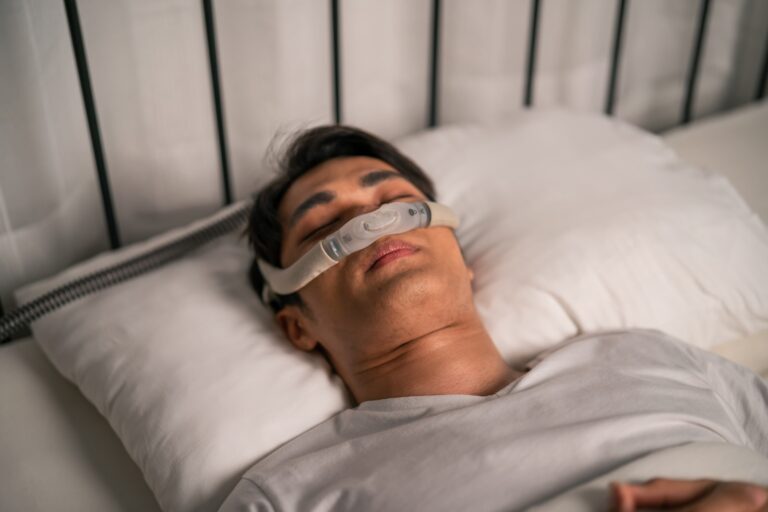
CPAP therapy is a sleep apnea treatment that uses continuous positive airway pressure to keep your airways open during sleep. A machine delivers pressurized air through a mask, preventing the airway collapse that causes breathing interruptions. CPAP is considered the gold standard treatment for obstructive sleep apnea, helping millions of people achieve better sleep and improved health outcomes.
What is CPAP therapy and how does it treat sleep apnea?
CPAP (Continuous Positive Airway Pressure) therapy is a medical treatment that delivers a steady stream of pressurized air to keep your airways open while you sleep. The gentle air pressure acts like a pneumatic splint, preventing the soft tissues in your throat from collapsing and blocking your breathing passages.
This treatment directly addresses the root cause of obstructive sleep apnea. When you have sleep apnea, your throat muscles relax during sleep, causing your airway to narrow or close completely. CPAP therapy maintains constant air pressure that keeps these passages open, ensuring uninterrupted breathing throughout the night.
CPAP is considered the gold standard for sleep apnea treatment because it is highly effective and immediately addresses breathing disruptions. Unlike other treatments that may take time to show results, CPAP therapy begins working the first night you use it properly.
How does a CPAP machine actually work during sleep?
A CPAP machine consists of three main components: a motor that generates pressurized air, flexible tubing that delivers the air, and a mask that fits over your nose or mouth. The motor draws in room air, pressurizes it to your prescribed level, and sends it through the tubing to your mask.
Throughout your sleep cycles, the machine continuously maintains the exact air pressure your doctor prescribed. This steady pressure prevents your airway from collapsing during the natural muscle relaxation that occurs during sleep. The pressurized air creates a gentle force that keeps your throat tissues in their proper position.
Modern CPAP machines include features like heated humidifiers to prevent dryness and ramp settings that gradually increase pressure as you fall asleep. Many machines also track your usage and breathing patterns, providing valuable data for your healthcare provider to monitor your treatment progress.
What are the main benefits of using CPAP therapy for sleep apnea?
CPAP therapy provides both immediate and long-term health benefits that significantly improve your quality of life. Most users notice better sleep quality and reduced daytime fatigue within the first few weeks of consistent use.
The immediate benefits include reduced or eliminated snoring, uninterrupted sleep, and dramatically improved daytime alertness. You will likely wake up feeling more refreshed and have better concentration throughout the day. Your sleeping partner will also benefit from quieter, more peaceful nights.
Long-term health benefits are substantial and include lower blood pressure, reduced risk of heart problems, stroke prevention, and improved cognitive function. CPAP therapy also helps stabilize mood, reduces depression symptoms, and can improve diabetes management by promoting better overall health.
What should you expect when starting CPAP therapy?
Starting CPAP therapy involves an adjustment period that typically lasts 2–4 weeks as your body adapts to sleeping with the machine. Initial challenges commonly include mask discomfort, feeling claustrophobic, or sensitivity to the air pressure sensation.
Many new users experience some difficulty falling asleep with the mask during the first week. You might also notice temporary side effects like dry mouth, nasal congestion, or skin irritation where the mask contacts your face. These issues usually resolve as you become accustomed to the therapy.
Most people begin experiencing the benefits of improved sleep within the first two weeks of consistent use. To ease the transition, start by wearing your mask during daytime activities like watching TV to become comfortable with the sensation. Ensure your mask fits properly, and do not hesitate to contact your provider if you are experiencing persistent discomfort.
How do you know if CPAP therapy is working effectively?
Successful CPAP treatment produces noticeable improvements in both nighttime breathing and daytime functioning. The most obvious signs include eliminated or significantly reduced snoring and fewer sleep interruptions throughout the night.
You will experience improved daytime alertness, better concentration, and increased energy levels. Your mood typically improves, and you will feel more refreshed upon waking. Your sleeping partner will also notice the difference, often reporting much better sleep quality themselves.
Regular follow-up care with your healthcare provider is essential for monitoring treatment effectiveness. Your CPAP machine’s data tracking shows important metrics like hours of use, air leak rates, and remaining breathing events. These measurements help your doctor fine-tune your treatment and ensure optimal results.
While CPAP therapy remains the gold standard treatment, some patients find oral appliance therapy to be a comfortable alternative. Custom-fitted oral appliances can effectively treat mild to moderate sleep apnea by positioning your jaw to keep airways open naturally.
If you are experiencing sleep apnea symptoms or looking for alternatives to CPAP therapy, we can help you explore your sleep apnea treatment options. Request an appointment to discuss personalized solutions that fit your lifestyle and comfort preferences.