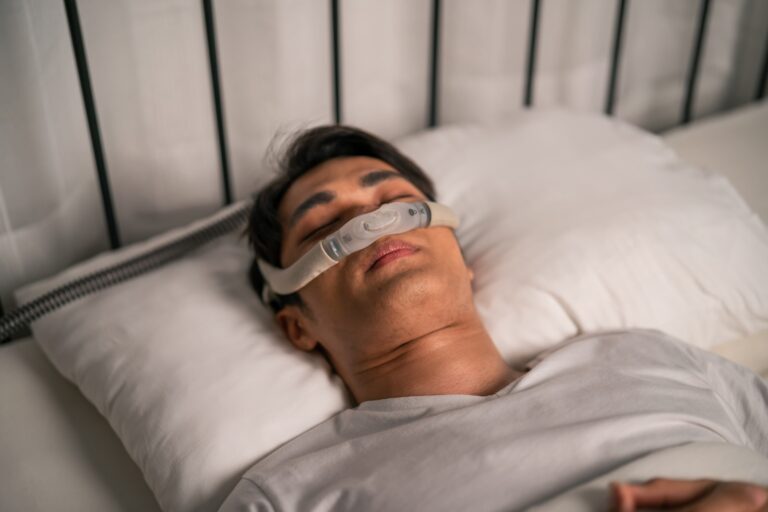
The most effective sleep apnea treatment in 2026 combines proven therapies such as CPAP machines, oral appliances, and lifestyle modifications tailored to individual needs. Treatment success depends on sleep apnea severity, patient preferences, and lifestyle factors. Modern approaches emphasize personalized care plans that address both immediate symptoms and long-term health outcomes for optimal results.
What is sleep apnea and why is effective treatment so important?
Sleep apnea is a serious sleep disorder in which breathing repeatedly stops and starts during sleep, preventing restful sleep and reducing oxygen levels throughout the body. The condition occurs in three main types: obstructive sleep apnea (the most common), in which throat muscles relax and block the airway; central sleep apnea, in which the brain fails to send proper breathing signals; and complex sleep apnea, which combines both conditions.
Symptoms include loud snoring, gasping for air during sleep, morning headaches, excessive daytime fatigue, and difficulty concentrating. Many people do not realize they have sleep apnea because symptoms occur during sleep.
Effective treatment is crucial because untreated sleep apnea can lead to serious health complications. The repeated oxygen drops strain your cardiovascular system, increasing the risk of high blood pressure, heart disease, and stroke. Poor sleep quality affects cognitive function, memory, and emotional well-being. Treatment restores healthy sleep patterns, improves daily energy levels, and protects long-term health.
What are the most proven sleep apnea treatments available in 2026?
The most effective sleep apnea treatment options include CPAP therapy, oral appliances, lifestyle modifications, positional therapy, and surgical interventions. Each treatment addresses different aspects of the condition and works best for specific patient profiles and severity levels.
CPAP (continuous positive airway pressure) machines remain the gold standard, delivering steady air pressure through a mask to keep airways open. Oral appliances offer a comfortable alternative, repositioning the jaw and tongue to maintain airway clearance during sleep.
Lifestyle approaches include weight management, regular exercise, avoiding alcohol before bedtime, and sleeping on your side rather than your back. These modifications can significantly reduce symptoms, especially in mild cases. Surgical options such as uvulopalatopharyngoplasty or jaw repositioning procedures are considered when other treatments are not effective or suitable.
How do oral appliances compare to CPAP machines for sleep apnea?
Oral appliances offer superior comfort and convenience compared with CPAP machines, making them highly effective for patients with mild to moderate obstructive sleep apnea. These custom-fitted devices work by gently positioning your jaw forward to keep your airway open, functioning like a specialized retainer you wear while sleeping.
CPAP machines provide more consistent pressure control and work effectively for all severity levels, including severe cases. However, many patients struggle with mask discomfort, noise, and travel inconvenience, leading to poor compliance.
Oral appliances integrate seamlessly into your lifestyle without electricity, noise, or bulky equipment. They are ideal for travel and do not disturb sleep partners. Patients typically adapt more quickly to oral appliances and maintain better long-term compliance. We customize each appliance for optimal fit and effectiveness, providing ongoing adjustments to ensure comfort and proper function.
What should you expect during sleep apnea diagnosis and treatment planning?
Sleep apnea diagnosis begins with a comprehensive evaluation, including medical history, symptom assessment, and either an at-home sleep study or overnight sleep-center testing. The sleep study measures breathing patterns, oxygen levels, and sleep disruptions to determine the condition’s severity and type.
Following diagnosis, your healthcare provider develops a personalized treatment plan based on your specific needs, lifestyle, and preferences. This consultation covers treatment options, expected outcomes, and the implementation timeline.
For oral appliance therapy, we take detailed impressions and measurements to create your custom device. The initial fitting includes comfort adjustments and instructions for proper use and care. Follow-up appointments ensure optimal fit and effectiveness, with adjustments made as needed. Most patients adapt to their appliance within a few weeks and experience improved sleep quality relatively quickly.
How do you know which sleep apnea treatment will work best for you?
The best sleep apnea treatment depends on your condition’s severity, anatomical factors, lifestyle preferences, and medical history. Mild to moderate obstructive sleep apnea often responds well to oral appliances, especially when jaw positioning contributes to airway obstruction.
Consider your daily routine and travel needs when choosing treatment. Oral appliances suit active lifestyles and frequent travelers, while CPAP machines work better for severe cases requiring maximum pressure support. Your sleep position, partner preferences, and comfort with different devices also influence treatment success.
Working with experienced providers ensures proper treatment selection and ongoing support. We evaluate your specific anatomy, discuss lifestyle factors, and provide trial periods when appropriate. Treatment success is measured through improved sleep quality, reduced daytime fatigue, and follow-up sleep studies when necessary. The goal is to find a solution you will use consistently for long-term health benefits.
Choosing the right sleep apnea treatment transforms your sleep quality and overall health. Whether you are considering oral appliances, CPAP therapy, or other options, professional guidance ensures you receive personalized care that fits your lifestyle and addresses your specific needs. Request an appointment to discuss your sleep apnea concerns and explore treatment options that can restore your restful sleep and vitality.