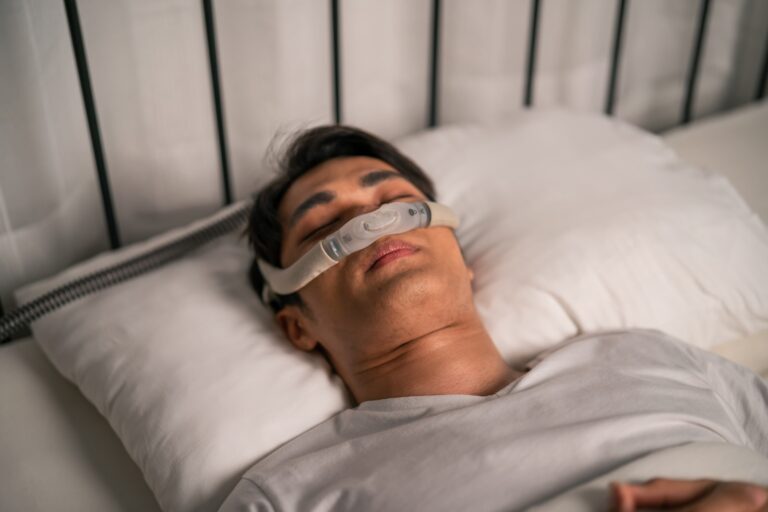
Untreated sleep apnea creates a cascade of serious health problems that worsen over time. Your body experiences repeated oxygen deprivation, cardiovascular strain, cognitive decline, and increased accident risk. Without proper sleep apnea treatment, these complications can become life-threatening and significantly impact your quality of life, relationships, and daily functioning.
What exactly happens to your body when sleep apnea goes untreated?
Your body endures repeated cycles of oxygen deprivation and stress responses throughout the night. Each breathing interruption triggers your brain to partially wake you, preventing deep, restorative sleep while forcing your cardiovascular system to work harder.
The immediate effects include fragmented sleep patterns that leave you exhausted despite spending hours in bed. Your blood oxygen levels drop repeatedly, sometimes to dangerously low levels, causing your heart rate and blood pressure to spike as your body fights to restore normal breathing.
Over time, this nightly stress creates a domino effect throughout your body. Your immune system weakens, hormone production becomes disrupted, and inflammation increases. The constant strain prevents your body from performing essential repair processes that normally occur during deep sleep, leading to accelerated aging and increased vulnerability to various health conditions.
How does untreated sleep apnea affect your heart and cardiovascular system?
Untreated sleep apnea puts enormous strain on your cardiovascular system, significantly increasing your risk of high blood pressure, heart attack, stroke, and irregular heart rhythms. The repeated oxygen drops force your heart to work much harder throughout the night.
Each apnea episode causes your blood pressure to surge as your body attempts to restore normal breathing. This nightly pattern of pressure spikes can lead to sustained high blood pressure, even during daytime hours. Your heart muscle may enlarge from the extra workload, and your risk of developing atrial fibrillation increases substantially.
The cardiovascular complications extend beyond immediate strain. Chronic sleep apnea contributes to the development of coronary artery disease, increases stroke risk by up to four times, and can worsen existing heart conditions. Many people don’t realize their heart problems stem from untreated sleep-breathing disorders.
What mental and cognitive problems develop from untreated sleep apnea?
Sleep apnea severely impacts brain function, causing memory problems, difficulty concentrating, mood swings, depression, and anxiety. The constant sleep disruption prevents your brain from consolidating memories and clearing metabolic waste that accumulates during waking hours.
You may notice increasing forgetfulness, trouble focusing at work, and difficulty making decisions. Many people experience personality changes, becoming more irritable, impatient, or emotionally unstable. Chronic sleep deprivation can trigger or worsen depression and anxiety disorders.
Your cognitive processing speed slows down, reaction times increase, and creative thinking suffers. The brain fog that accompanies untreated sleep apnea can make simple tasks feel overwhelming and complex problems nearly impossible to solve effectively.
How does untreated sleep apnea impact your daily life and relationships?
Excessive daytime fatigue becomes your constant companion, affecting work performance, increasing accident risk, and straining personal relationships. Loud snoring and restless sleep patterns disrupt your partner’s sleep, creating tension and resentment.
Your productivity at work declines as concentration becomes difficult and energy levels plummet. The risk of falling asleep while driving increases dramatically, putting you and others in danger. Many people with untreated sleep apnea report falling asleep during meetings, conversations, or while watching television.
Relationships suffer as mood changes, irritability, and decreased interest in activities take their toll. Social interactions become challenging when you’re constantly tired, and intimacy may decline due to fatigue and mood issues. Overall quality of life deteriorates as simple daily activities become exhausting.
When should you seek professional help for sleep apnea symptoms?
Seek immediate professional help if you experience loud snoring with gasping or choking sounds, excessive daytime sleepiness, morning headaches, or if your partner notices breathing interruptions during sleep. These symptoms indicate that your condition requires professional evaluation and treatment.
Don’t wait if you’re experiencing cardiovascular symptoms like high blood pressure, chest pain, or irregular heartbeats alongside sleep problems. Similarly, significant mood changes, memory problems, or difficulty staying awake during daily activities warrant prompt medical attention.
Professional sleep apnea treatment through custom oral appliances can effectively manage your condition and help prevent serious complications. We offer comprehensive evaluation and personalized treatment solutions that can restore your sleep quality and protect your health.
If you’re experiencing sleep apnea symptoms, don’t let this serious condition continue affecting your health and quality of life. Request an appointment today to discuss how our specialized sleep apnea treatment can help you achieve better sleep and improved overall wellness.