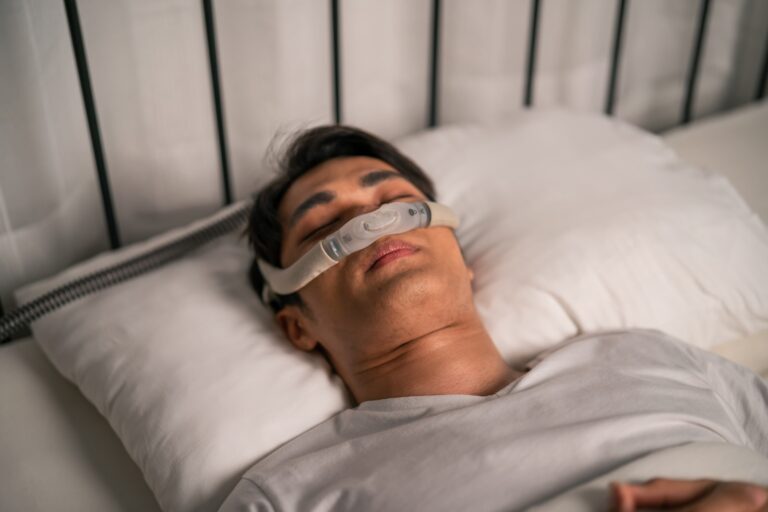
Yes, mild sleep apnea should be treated because even mild cases can significantly impact your health and quality of life. While symptoms may seem manageable, untreated mild sleep apnea can progress to more severe forms and lead to cardiovascular problems, cognitive decline, and chronic fatigue. Effective treatment options, such as oral appliances, offer comfortable, non-invasive solutions that can prevent long-term health complications.
What exactly is mild sleep apnea, and how do you know if you have it?
Mild sleep apnea occurs when your breathing stops or becomes very shallow 5–14 times per hour during sleep, as measured by the Apnea-Hypopnea Index (AHI). This represents the mildest form of obstructive sleep apnea, in which your upper airway becomes partially or completely blocked while you sleep.
The AHI scoring system classifies sleep apnea severity as follows: mild (5–14 events per hour), moderate (15–29 events per hour), and severe (30 or more events per hour). Even though mild cases involve fewer breathing interruptions, they still prevent restful sleep and reduce oxygen levels in your blood.
Common symptoms of mild sleep apnea include:
- Loud, persistent snoring
- Morning headaches
- Daytime fatigue despite adequate sleep time
- Difficulty concentrating
- Irritability or mood changes
- Frequent nighttime urination
A professional diagnosis requires a sleep study, either in a sleep center or through home testing. If you experience these symptoms regularly, seeking evaluation is important because mild sleep apnea rarely improves without intervention and often worsens over time.
What happens if you don’t treat mild sleep apnea?
Untreated mild sleep apnea can lead to serious health complications and typically progresses to more severe forms over time. Even mild cases cause repeated drops in blood oxygen levels and frequent sleep disruptions that strain your cardiovascular system and affect brain function.
Cardiovascular risks include increased blood pressure, irregular heart rhythms, and a higher risk of heart disease and stroke. The repeated oxygen drops force your heart to work harder throughout the night, leading to long-term cardiovascular stress.
Cognitive impacts affect memory consolidation, concentration, and decision-making abilities. Poor sleep quality from mild sleep apnea can impair work performance, increase accident risk, and affect personal relationships due to irritability and mood changes.
Perhaps most concerning is that mild sleep apnea tends to worsen over time. Factors such as aging, weight gain, or changes in muscle tone can cause progression to moderate or severe sleep apnea, making treatment more complex and health risks more serious.
Quality of life suffers as chronic fatigue affects daily activities, exercise capacity, and overall well-being. Many people don’t realize how much better they can feel until they receive proper sleep apnea treatment.
What are the most effective treatment options for mild sleep apnea?
Mild sleep apnea responds well to various treatment approaches, with oral appliance therapy and lifestyle modifications being the most effective options. These treatments often work better for mild cases than more intensive interventions such as CPAP machines.
Oral appliance therapy involves wearing a custom-fitted dental device that repositions your jaw and tongue to keep your airway open. These devices are comfortable, portable, and highly effective for mild to moderate sleep apnea.
Lifestyle modifications can significantly improve mild sleep apnea:
- Weight loss (even 10–15 pounds can make a difference)
- Sleeping on your side instead of your back
- Avoiding alcohol and sedatives before bedtime
- Maintaining regular sleep schedules
- Treating nasal congestion
Positional therapy, which uses devices that prevent back-sleeping, works well for position-dependent sleep apnea. Some people only experience breathing problems when sleeping on their backs.
CPAP therapy, while highly effective, is typically reserved for cases in which other treatments haven’t worked. Patient compliance is much higher with oral appliances than with CPAP machines for mild sleep apnea.
How do oral appliances work for treating mild sleep apnea?
Oral appliances work by gently repositioning your lower jaw forward, which pulls your tongue and soft tissues away from your throat opening. This mechanical adjustment keeps your airway open throughout the night, preventing the breathing interruptions that characterize sleep apnea.
Custom-fitted oral appliances look similar to orthodontic retainers but are specifically designed to maintain optimal jaw positioning for airway patency. They fit over your teeth and hold your jaw in a slightly forward position that prevents airway collapse.
The custom fitting process involves taking detailed impressions of your teeth and bite relationship. We create a device that is comfortable for nightly wear while providing the precise positioning needed to keep your airway open. Adjustments can be made to optimize both comfort and effectiveness.
Oral appliances offer several advantages over CPAP therapy for mild sleep apnea: they are silent, portable, do not require electricity, and have much higher patient compliance rates. Most people find them comfortable after a brief adjustment period.
Success rates for oral appliances in mild sleep apnea cases are excellent, often completely eliminating breathing interruptions while dramatically improving sleep quality. Regular follow-up appointments ensure optimal fit and function over time.
When should you see a sleep specialist or dentist about mild sleep apnea?
You should seek professional evaluation if you experience persistent snoring along with daytime fatigue, morning headaches, or concentration problems. Don’t wait for symptoms to worsen, as early intervention helps prevent progression and reduces the health risks associated with untreated sleep apnea.
Sleep medicine specialists focus on diagnosing sleep disorders through comprehensive testing and can coordinate treatment with various providers. Sleep-trained dentists specialize in oral appliance therapy and provide ongoing care for dental sleep medicine treatments.
For mild sleep apnea, consulting with a dentist experienced in sleep apnea treatment often provides the most direct path to effective oral appliance therapy. We can evaluate your specific situation and determine whether you’re a good candidate for this comfortable, effective treatment option.
Red flag symptoms requiring immediate attention include witnessed breathing cessation during sleep, severe daytime sleepiness affecting safety, or cardiovascular symptoms such as chest pain or irregular heartbeats.
The consultation process typically involves reviewing your symptoms, medical history, and sleep study results, if available. We’ll examine your oral structures and discuss treatment options that fit your lifestyle and preferences.
If you’re experiencing symptoms of mild sleep apnea, don’t let them progress to more serious health problems. Professional sleep apnea treatment can dramatically improve your sleep quality, energy levels, and overall health. Request an appointment to discuss how oral appliance therapy might help you achieve better sleep and improved well-being.