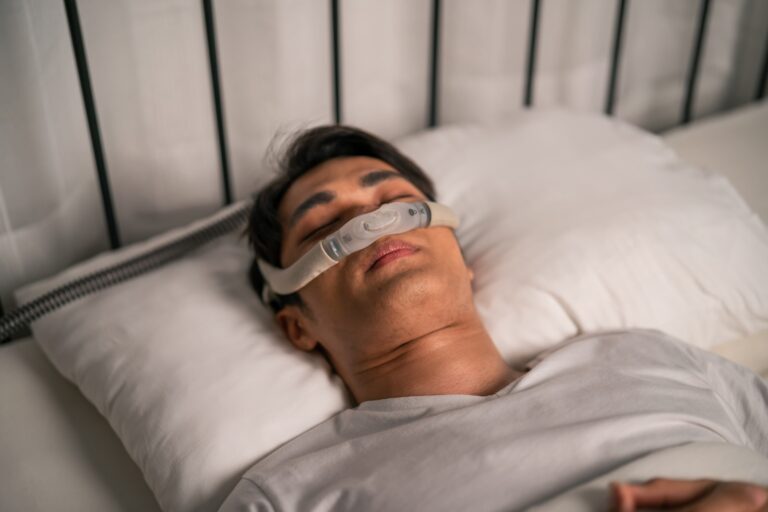
Sleep apnea treatment costs vary widely depending on the type of therapy you choose and your insurance coverage. Basic CPAP machines start around $500–800, while custom oral appliances range from $1,800–3,000. Most insurance plans cover medically necessary sleep apnea treatments after proper diagnosis, though you’ll typically pay deductibles and copays.
What factors determine sleep apnea treatment costs?
Several key variables influence your total investment in sleep apnea treatment. The severity of your condition affects which treatments your doctor recommends, with mild cases often suitable for less expensive oral appliances, while severe cases may require costlier CPAP equipment or surgical interventions.
Geographic location plays a significant role in pricing. Sleep specialists in major metropolitan areas typically charge more for consultations and custom devices than those in smaller communities. Provider expertise also matters—board-certified sleep medicine physicians and experienced dental sleep specialists often command higher fees for their specialized knowledge.
Your insurance coverage level determines your out-of-pocket expenses. Plans with lower deductibles and better durable medical equipment benefits reduce your costs, while high-deductible plans mean you’ll pay more upfront. Initial diagnosis costs include sleep studies ($1,000–3,000), follow-up appointments, and device fittings, all contributing to your total treatment investment.
How much do different sleep apnea treatment options actually cost?
CPAP machines represent the most common treatment, with basic models costing $500–800 and advanced units reaching $2,000–3,000. Monthly supply costs add $50–100 for masks, filters, and tubing replacements. Over five years, total CPAP expenses typically range from $4,000–8,000, including equipment and supplies.
Custom oral appliances from dental sleep specialists cost $1,800–3,000 upfront, with minimal ongoing expenses. These devices last 3–5 years with proper care, making them cost-competitive with CPAP therapy over time. We create precisely fitted oral appliances that position your jaw to keep your airway open during sleep.
Surgical interventions vary dramatically in cost. Minor procedures like uvulopalatopharyngoplasty range from $3,000–6,000, while complex jaw repositioning surgeries can exceed $20,000. Surgery often requires multiple consultations, imaging studies, and extended recovery periods that add to total expenses.
What does insurance typically cover for sleep apnea treatment?
Most insurance plans cover sleep apnea diagnosis and treatment as medically necessary care. Coverage typically includes sleep studies, CPAP equipment, and oral appliances when prescribed by qualified healthcare providers. However, you’ll usually need prior authorization and must meet specific medical criteria.
CPAP equipment enjoys broad insurance coverage, with most plans paying 80–100% after deductibles. Oral appliances face more coverage limitations—some insurers require CPAP failure or intolerance before approving dental devices. We work directly with insurance companies to maximize your benefits and minimize out-of-pocket costs.
Prior authorization requirements mean your doctor must submit documentation proving medical necessity before treatment begins. This process takes 1–2 weeks but helps ensure coverage approval. Keep detailed records of sleep study results and treatment attempts to support insurance claims and appeals if needed.
Are there affordable alternatives for sleep apnea treatment?
Payment plans and financing options make sleep apnea treatment more accessible for patients with budget constraints. Many providers offer interest-free payment plans that spread costs over 12–24 months. Health Savings Accounts (HSAs) and Flexible Spending Accounts (FSAs) allow you to use pre-tax dollars for qualified sleep apnea expenses.
Generic CPAP equipment costs significantly less than brand-name devices while providing similar therapeutic benefits. Online retailers offer competitive pricing on machines and supplies, though you’ll need prescriptions from your sleep doctor. Some manufacturers provide patient assistance programs for qualifying individuals.
Lifestyle modifications can reduce treatment costs while improving sleep quality. Weight loss, positional therapy, and avoiding alcohol before bedtime may lessen sleep apnea severity. While these approaches rarely eliminate the need for medical treatment, they can make other therapies more effective and potentially reduce long-term expenses.
Understanding your sleep apnea treatment options and associated costs helps you make informed decisions about your care. We provide comprehensive consultations to discuss treatment alternatives and work with your insurance to minimize financial barriers. Request an appointment to explore personalized sleep apnea solutions that fit your needs and budget.