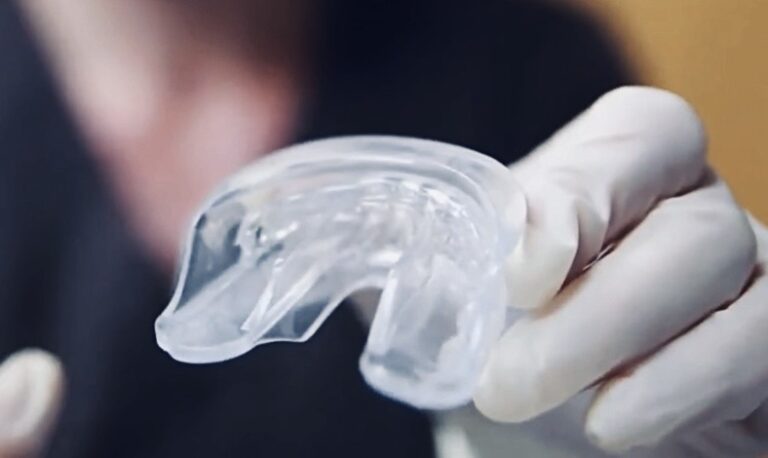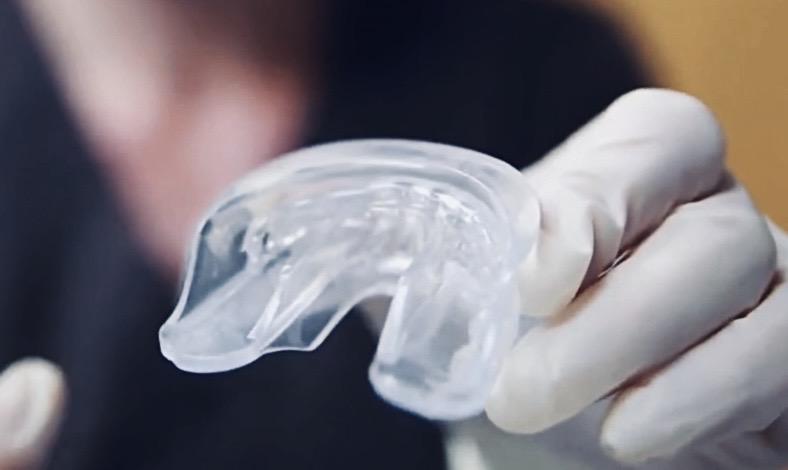
TMJ appliances and night guards are terms that often overlap in dental practice, and the distinction is not always as clear-cut as it might seem. A TMJ mouth guard is generally designed with jaw positioning in mind to help manage temporomandibular joint discomfort, while a night guard primarily aims to protect teeth from grinding forces during sleep. That said, the label alone does not determine whether an appliance is right for you — fit, design, and professional guidance matter far more than the name on the packaging.
Understanding the terminology
The terms night guard, splint, occlusal splint, and TMJ appliance are frequently used interchangeably by patients and sometimes by clinicians. There is no single universal definition that separates them into entirely distinct product categories. What matters clinically is what a specific appliance is designed to do, how it is fitted, and whether it suits your individual situation. A sports mouthguard, by contrast, serves a different protective purpose — absorbing impact during physical activity — and is not a substitute for either of the appliances discussed here.
What a TMJ mouth guard is intended to do
A TMJ mouth guard is a custom-fitted dental appliance designed to support management of temporomandibular joint (TMJ) discomfort. It is typically made from hard acrylic and is contoured to guide the jaw into a more comfortable resting position, reducing muscle tension and pressure on the jaw joints while you sleep.
It is worth noting that current evidence on whether oral appliances reliably improve TMJ pain is limited. These devices may help some patients find relief, but they are not guaranteed to resolve joint dysfunction, heal tissue damage, or eliminate teeth grinding. Treatment with a TMJ appliance should not be understood as permanently changing your bite — any positional changes are intended to be therapeutic and monitored over time by a dental professional.
What a night guard is intended to do
A night guard is worn during sleep to protect teeth from the wear, chipping, and sensitivity that can result from bruxism — the habit of grinding or clenching teeth. The appliance sits between the upper and lower teeth, distributing grinding forces across its surface rather than concentrating them on individual teeth.
Night guards focus on tooth protection rather than jaw repositioning, though some designs incorporate elements of both. Material choice — whether softer or harder — depends on individual clinical assessment, not a simple rule about mild versus severe grinding. Your dentist will recommend the appropriate material and thickness based on your specific wear patterns, jaw function, and any existing dental work.
Comparing the two appliances
| Feature | TMJ Mouth Guard | Night Guard |
|---|---|---|
| Primary purpose | Support jaw comfort and reduce TMJ-related muscle tension | Protect teeth from grinding and clenching forces |
| Typical design | Hard acrylic with contours to guide jaw position | Varies — hard, soft, or dual-layer depending on clinical need |
| Fit | Custom-fitted; precise bite surface is critical | Custom or over-the-counter; custom fit preferred for long-term use |
| Wear instructions | Usually worn at night; schedule varies by treatment plan | Worn during sleep; consistent nightly use recommended |
| Professional follow-up | Regular monitoring of jaw position and symptoms required | Periodic checks for wear, fit, and changes in bite |
How do you know which appliance you need?
Identifying the right appliance starts with understanding your symptoms and getting a professional evaluation. Jaw pain, clicking or popping sounds, difficulty opening your mouth, and headaches may point toward TMJ involvement. Noticeable tooth wear, morning jaw soreness, or feedback from a partner about grinding sounds may suggest bruxism as the primary concern. Many people experience both simultaneously, which is why self-diagnosis based on symptoms alone is unreliable.
A dental professional will assess your jaw joints, examine tooth wear patterns, review your bite relationship, and consider any existing dental work before recommending an appliance. The goal is to match the design of the appliance to your actual clinical needs — not to assign you a product based on a label. To explore your options with a professional, you can book a custom mouth guard evaluation with the team at Ocean Dental.
Can one appliance serve both purposes?
In some cases, yes. A well-designed TMJ appliance may also offer a degree of tooth protection, and addressing jaw tension can sometimes reduce grinding behaviour. However, neither appliance should be used as a substitute for the other without professional guidance. Using an appliance that does not suit your condition may leave your primary problem unaddressed or, in some cases, introduce new discomfort. If your situation changes over time, your appliance may need to be adjusted or replaced.
What does an appliance cost?
Cost varies depending on the type of appliance, the materials used, and what is included in the quote — such as fitting appointments, adjustments, and follow-up visits. For a detailed breakdown, see this guide to mouth guard costs and quote inclusions to understand what to ask before committing to treatment.
The label does not determine suitability
Whether an appliance is called a night guard, a splint, or a TMJ mouth guard, what matters is whether it is appropriately designed and fitted for your individual needs. Terminology varies between practices and manufacturers, and an appliance that works well for one person may not be suitable for another with similar-sounding symptoms. Asking informed questions — about design, fit, expected outcomes, and follow-up — puts you in a better position to make a decision alongside your dental provider.
If you are experiencing jaw discomfort, teeth grinding, or related symptoms and want to understand which type of oral appliance may be appropriate for your situation, request an appointment with Ocean Dental for a professional assessment.