A TMJ dental mouth guard cost depends on several factors that vary by provider, appliance type, and individual treatment needs. Understanding what goes into that cost — and what questions to ask before committing — helps you compare quotes accurately and plan for out-of-pocket expenses. A professional evaluation is the most reliable starting point for understanding what treatment will involve for your specific situation.
What is a TMJ mouth guard and how does it work?
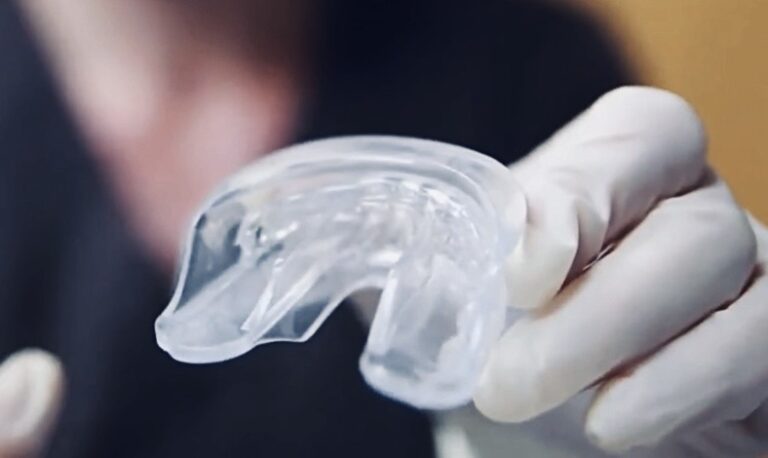
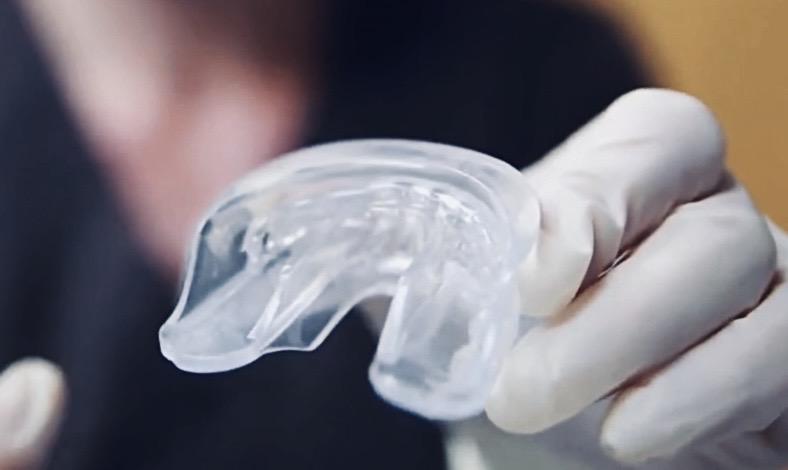
A TMJ dental mouth guard is a custom-fitted oral appliance used as part of treatment for temporomandibular joint disorders. It is worn over the teeth — typically during sleep — and is designed to reduce pressure on the jaw joints and limit the effects of clenching or grinding.
These appliances are prescribed and fabricated based on a clinical evaluation of your bite, jaw function, and symptoms. Because they are part of a broader treatment plan, they work alongside other approaches your provider may recommend, such as physical therapy or stress management strategies.
How much does a TMJ mouth guard cost?
There is no single standard price for a custom TMJ mouth guard. What you are quoted will reflect the specific services your provider includes, the materials used, and the complexity of your case. Before accepting or comparing quotes, it is worth understanding what components may be billed and how they differ between providers.
Questions worth asking include:
- Examination and diagnosis: Is a clinical evaluation or bite analysis billed separately from the appliance itself?
- Appliance design and fabrication: What material is used, and is the appliance made in-house or sent to a dental laboratory?
- Fitting: Is the initial fitting appointment included in the quoted price?
- Adjustment appointments: Are follow-up adjustments covered, and if so, how many?
- Replacement terms: What is the expected lifespan of the appliance, and what does replacement cost?
- Services billed separately: Are X-rays, impressions, or other diagnostic records included or charged additionally?
Not every provider bundles these components the same way. Asking these questions before treatment begins helps you understand the true scope of what you are paying for and avoid unexpected charges.
What is the difference between a TMJ mouth guard and a regular night guard?
These two terms are sometimes used interchangeably, but they refer to appliances with different clinical purposes. Understanding the distinction matters when evaluating whether an appliance is appropriate for your condition. For a detailed explanation of how these differ, see our article on TMJ guards and night guards.
TMJ mouth guards are prescribed as part of a treatment plan for temporomandibular joint disorders. They are designed with specific clinical goals in mind and are fabricated based on a detailed assessment of your jaw function and bite.
Regular night guards primarily protect teeth from the effects of grinding and clenching. They are not prescribed to address joint disorders and are not a substitute for a clinically directed TMJ treatment plan. Over-the-counter options, while inexpensive, are not equivalent to a prescribed appliance and should not be treated as a replacement for professional evaluation and care.
Does dental insurance cover TMJ mouth guard treatment?
Coverage for TMJ appliances varies widely between insurance plans, and the same treatment may be handled differently depending on whether it is submitted to a dental plan or a medical plan. Some plans require preauthorization, documentation of a formal TMJ diagnosis, or evidence that conservative treatments have already been attempted.
Medical insurance may cover TMJ treatment in cases where the condition is considered a medical issue rather than a dental one. Whether your plan covers any portion of treatment, and under what conditions, depends entirely on the specific terms of your policy.
A benefit estimate provided by an insurance company is not a guarantee of payment. Final reimbursement depends on how the claim is processed and whether all plan requirements are met. Before beginning treatment, contact your insurer directly to ask about coverage criteria, annual maximums, waiting periods, and preauthorization requirements. Flexible spending accounts and health savings accounts may also be applicable, depending on your plan.
How do you know if a TMJ mouth guard is right for you?
Symptoms such as jaw pain, morning headaches, difficulty opening your mouth fully, jaw clicking, or worn teeth from grinding may suggest that a TMJ evaluation is appropriate. However, the right treatment approach depends on the cause and severity of your symptoms, which can only be determined through a proper clinical assessment.
Oral appliances are one option within a broader range of TMJ treatments. For some patients, other approaches — such as physical therapy, stress management, or additional interventions — may be more suitable, either on their own or alongside an appliance. A thorough evaluation is the only reliable way to determine which approach is appropriate for your specific condition.
To understand whether a custom appliance is right for you, start with a custom mouth guard assessment that evaluates your jaw function and symptoms in detail.
If you are experiencing TMJ symptoms and want to understand your treatment options and what they would involve for your situation, our team is available to help. We can assess your jaw function and provide an individualized estimate based on your specific needs. Request an appointment with Ocean Dental to discuss TMJ mouth guard therapy and find the approach that is right for you.