Daytime wear of a TMJ mouth guard may be appropriate for some patients, but whether it is right for you — and which appliance to use — depends on a clinical evaluation of your specific symptoms and jaw function. A TMJ dental mouth guard is prescribed for a particular patient and a particular purpose, so you should not extend nighttime use into daytime hours on your own, or assume that any guard you already own is suitable for all-day wear. If you experience daytime jaw clenching, teeth grinding, or persistent jaw pain, speak with your dental provider about a wear schedule designed for your situation.
What is a TMJ mouth guard and how does it work during the day?
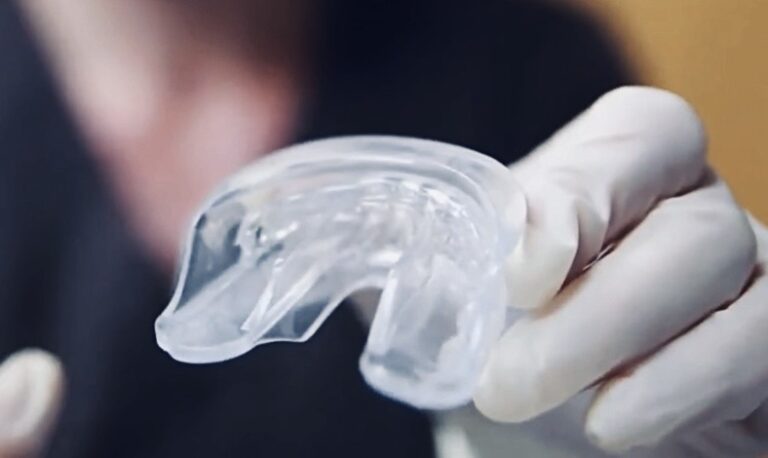
A TMJ mouth guard is a custom-fitted oral appliance designed to protect your jaw joints and teeth from the effects of clenching and grinding. During daytime wear, it creates a barrier between your upper and lower teeth, reducing direct contact that can cause wear and strain. Depending on the appliance design and how it is fitted, it may also help distribute bite forces more evenly and reduce tension on the temporomandibular joint and surrounding muscles.
It is important to understand that not every guard achieves the same result. The therapeutic benefit depends on the design of the specific appliance, how well it fits, and whether it has been prescribed for daytime use by a clinician. If you are unsure whether your existing appliance is intended for daytime wear, ask your provider before using it outside its prescribed schedule.
Daytime clenching can also be addressed through habit awareness and clinician-directed conservative care. Many patients benefit from learning to recognize when they are clenching and consciously relaxing the jaw, alongside other approaches their provider recommends. A custom mouth guard evaluation can help determine whether an appliance is indicated, what type is appropriate, and how it should be worn as part of a broader treatment plan.
When should you consider wearing a TMJ guard during daytime hours?
Consider discussing daytime TMJ guard wear with your dental provider if you experience jaw clenching during stressful situations, notice teeth grinding during concentrated work, or have jaw pain that worsens throughout the day. Many people unconsciously clench during activities like driving, working at a computer, or handling demanding tasks, and a clinician can assess whether an appliance would help manage those symptoms.
Symptoms that may prompt a conversation about daytime wear include jaw stiffness that persists into the day, headaches that develop during waking hours, tooth sensitivity, and facial muscle tension. Your provider will consider the pattern and severity of your symptoms, your bite, and your daily routine before recommending a wear schedule.
Occupational and lifestyle factors can also contribute to TMJ symptoms — prolonged computer work, phone use, or jobs involving repetitive jaw movements are common examples. If you notice that your jaw pain correlates with specific daily activities or periods of stress, share that information with your provider. It helps them tailor a recommendation for daytime TMJ protection that fits your actual circumstances rather than a general protocol.
What is the difference between nighttime and daytime TMJ mouth guards?
Nighttime and daytime TMJ guards serve related but distinct purposes, and their designs reflect that. For a detailed comparison of how these appliances differ in function and indication, see this overview of the TMJ guard versus night guard.
In general terms, guards intended for sleep are designed to withstand the grinding forces that can occur when jaw muscles contract without conscious control. Appliances prescribed for daytime use are designed with conscious wear in mind, which may influence their profile and material, though the specific construction varies by appliance type and the prescribing clinician’s judgment. It is not accurate to say that daytime guards are always thinner or softer — the right design depends on your individual clinical needs.
Functionality also differs between the two contexts. A nighttime guard focuses primarily on protecting teeth from unconscious grinding during sleep. A daytime appliance, when prescribed, is intended to reduce the effects of conscious or semi-conscious clenching during daily activities, and may be part of a broader plan that includes habit awareness and other conservative measures. Your provider can explain what your specific appliance is designed to do and what its limitations are.
How do you know if daytime TMJ guard wear is right for your situation?
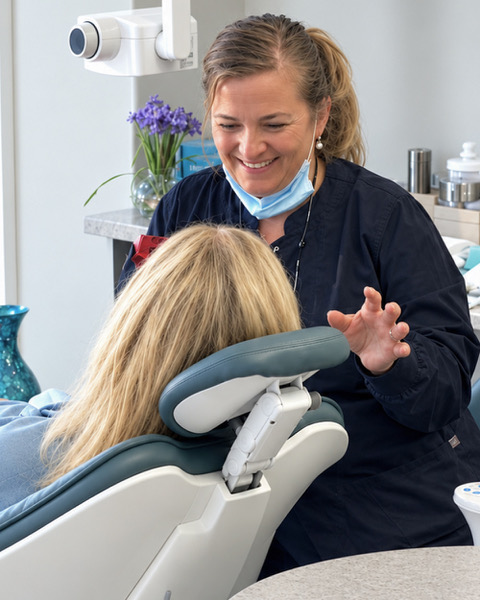
The clearest way to determine whether daytime guard wear is appropriate is to have a professional evaluation. A dental provider can assess your bite pattern, jaw alignment, symptom severity, and daily habits to decide whether daytime wear would help, which type of appliance is suitable, and how it should fit into your overall care plan. They can also tell you whether your existing appliance — if you have one — is appropriate for daytime use or whether a different device is needed.
Not everyone with TMJ symptoms requires an appliance, and daytime guard wear is not a universal recommendation. Some patients benefit more from stress management techniques, jaw exercises, dietary changes that reduce chewing strain, or physical therapy. Others may need a combination of approaches. The decision for daytime guard wear should complement, not replace, a comprehensive TMJ management strategy directed by your provider.
If you are currently managing TMJ symptoms on your own — including using a nighttime guard during the day — it is worth having that habit reviewed. Using an appliance outside its prescribed context can sometimes alter your bite or create new discomfort, and your provider needs to know about it.
What should you expect when starting to wear a TMJ guard during the day?
When starting daytime TMJ guard wear, allow time to adjust to the appliance. You may notice minor changes in speech, increased saliva production, and awareness of the guard in your mouth. These effects are common early on and often settle with consistent, prescribed use. If discomfort, soreness, or speech difficulty persists beyond the initial adjustment period, contact your provider rather than continuing to wear the guard without guidance.
Follow the instructions provided with your specific appliance regarding meals and drinks. Do not assume that beverages can be consumed while wearing the guard — some materials and designs are not suitable for contact with hot liquids, acidic drinks, or food, and your provider or the appliance instructions will specify what is permitted. Remove the guard for meals unless you have been explicitly told otherwise.
Clean and store the appliance according to its material and the instructions supplied with it. Different appliances require different care — some should be cleaned with a soft brush and mild soap, others with specific products, and storage requirements vary as well. Using the wrong cleaning method can damage the appliance or reduce its effectiveness.
Seek advice promptly if you notice pain, mouth sores, or a change in how your teeth come together after wearing the guard. A changed bite is a sign that the appliance may need adjustment, and continuing to wear it without correction can cause further problems. Regular follow-up appointments allow your provider to monitor your progress, adjust the fit as needed, and confirm that the guard continues to serve its intended purpose.
If you are experiencing jaw pain, teeth grinding, or other TMJ-related symptoms and want to explore whether a daytime guard or another treatment approach is right for you, a professional evaluation is the appropriate starting point. Request an appointment to discuss your symptoms and find a treatment plan tailored to your needs.