Yes, you can eat normally with All-on-4 implants — though “normally” looks a little different right after surgery than it does six months later. Once fully healed, most patients enjoy a wide variety of foods with confidence and comfort. The sections below walk through what eating actually looks like at each stage, how All-on-4 compares to traditional dentures, and how to protect your implants long term.
What does “eating normally” actually mean with All-on-4 implants?
“Eating normally” with All-on-4 implants means being able to chew, bite, and enjoy a varied diet without pain, slipping, or dietary restrictions — much like you would with natural teeth. In the long run, that’s exactly what most patients experience. The key distinction is between the healing period and full function after osseointegration is complete.
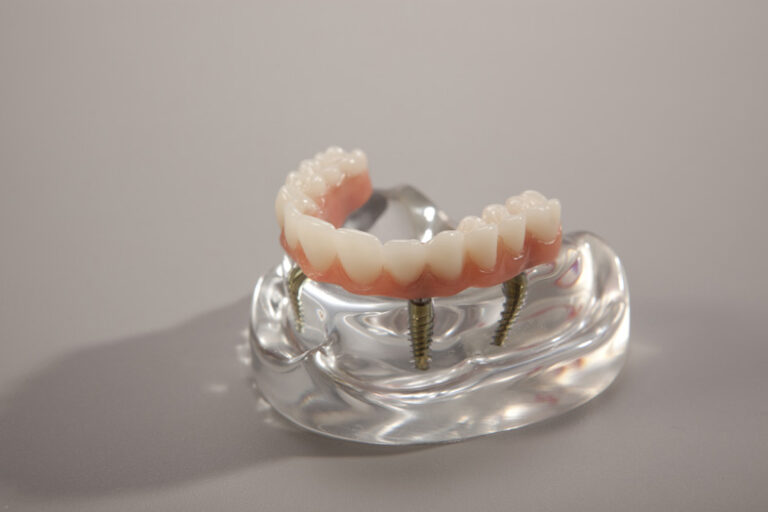
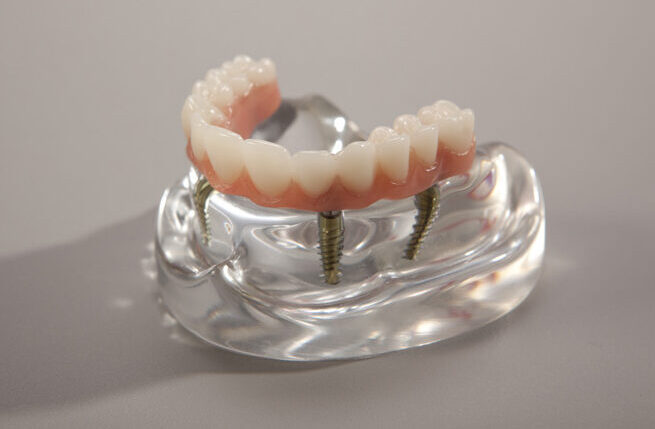
Unlike removable dentures, All-on-4 implants are anchored directly into the jawbone. That fixed foundation restores genuine biting force and chewing ability. You won’t need adhesives, and you won’t have to worry about your teeth shifting mid-meal. The bridge of 12 to 14 teeth functions as a stable, permanent unit — making eating feel natural rather than managed.
What can you eat — and what should you avoid — at each stage of All-on-4 recovery?
Dietary guidance after All-on-4 placement follows a clear progression across three phases. The restrictions are temporary, and each stage moves you closer to full eating freedom.
Phase 1 — Immediately after surgery (days 1–7):
- Eat: yogurt, smoothies, mashed potatoes, scrambled eggs, broth, soft fish
- Avoid: anything crunchy, chewy, hot, or requiring significant bite pressure
Phase 2 — Transitional diet during osseointegration (weeks 2–12):
- Eat: soft-cooked vegetables, pasta, tender chicken, soft bread, ripe fruit
- Avoid: hard raw vegetables, tough meats, sticky foods like caramel or gum
Phase 3 — Long-term eating freedom (after full healing):
- Eat: steak, apples, salads, corn, and most foods you enjoyed before tooth loss
- Moderate: extremely hard foods like ice or hard candy that can stress any teeth
The temporary nature of early restrictions is worth keeping in mind. Most patients find the soft-food phase manageable once they know it leads to lasting dietary freedom.
How do All-on-4 implants compare to traditional dentures when it comes to eating?
All-on-4 implants offer a meaningful advantage over traditional removable dentures when it comes to eating. The implants are fixed in place, which eliminates slipping, pressure sores from movement, and the need for adhesives. Bite strength is significantly greater because force transfers through the implant directly into the jawbone, rather than resting on soft tissue.
| Feature | All-on-4 implants | Traditional dentures |
|---|---|---|
| Stability while eating | Fixed, does not move | Can shift or lift |
| Bite strength | Close to natural teeth | Significantly reduced |
| Food variety | Broad, including most firm foods | Often limited to softer options |
| Adhesives needed | No | Often yes |
| Confidence at mealtimes | High | Variable |
For patients who want to enjoy meals without second-guessing every bite, All-on-4 implants offer a quality-of-life improvement that goes well beyond aesthetics.
What long-term eating habits help protect your All-on-4 implants?
Once your All-on-4 implants are fully healed, maintaining them is straightforward. A few mindful habits go a long way toward protecting your investment and keeping your smile healthy for years.
- Avoid biting ice or very hard objects — excessive force can stress the prosthesis over time
- Limit sticky foods like caramel or very chewy candy, which can place uneven pressure on the bridge
- Eat a balanced diet rich in calcium and vitamin D to support bone density around the implants
- Stay well hydrated and limit acidic beverages that can affect gum tissue health
- Brush and clean around your implants daily — they won’t get cavities, but the surrounding tissue still needs care
Regular check-ups are just as important as daily habits. At Ocean Dental & Aesthetics, we monitor implant health, bite alignment, and tissue condition over time to catch any concerns early. That ongoing support is part of what makes long-term success with All-on-4 realistic for most patients.
If you’re considering All-on-4 implants and want to understand what the process looks like for your specific situation, we’d love to help. Request an appointment with our team to get started with a personalized consultation.