All-on-4 implants have a well-established track record as a full-arch tooth replacement solution. Dental professionals generally consider them one of the most reliable options available for patients who have lost most or all of their teeth. Understanding what “success rate” actually means, which factors affect longevity, and how to care for your implants helps you make a confident, informed decision about this life-changing treatment.
What is the success rate of All-on-4 implants, and what does it actually mean?
When dental professionals talk about the success rate of All-on-4 implants, they are referring to how well the implants integrate with the jawbone and continue functioning over time. It is worth knowing that “survival” and “success” are two different measurements. Survival simply means the implant is still in place. Success means the implant is stable, free of complications, and supporting a fully functional bite.
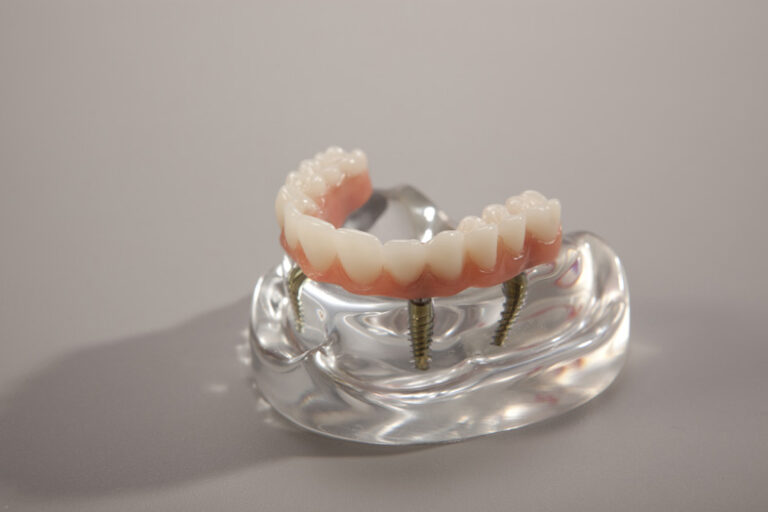
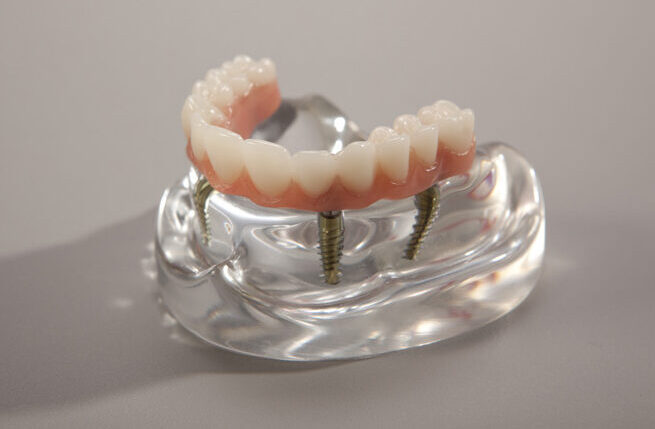
All-on-4 implants are widely recognized as highly predictable when placed by an experienced provider. Most patients can realistically expect their implants to last 10 years or more with proper care. The procedure uses four strategically angled implants per arch to anchor a full bridge of 12 to 14 teeth, which means the system is designed to distribute bite forces efficiently and reduce stress on any single implant.
What factors most influence how long All-on-4 implants last?
Several variables play a meaningful role in how well All-on-4 implants hold up over the years. No two patients are exactly alike, and your individual circumstances will shape your long-term outcome.
- Bone density: Adequate jawbone volume supports stable implant integration. Patients with significant bone loss may need additional preparation before placement.
- Overall health: Conditions such as uncontrolled diabetes can slow healing and affect how well implants fuse with the bone.
- Smoking: Tobacco use is one of the most significant risk factors for implant complications and reduced longevity.
- Oral hygiene habits: Consistent daily cleaning prevents the buildup of bacteria that can lead to peri-implantitis, an infection around the implant.
- Provider experience: Implant placement requires precision. A skilled, experienced dental team significantly improves outcomes by ensuring correct implant positioning and angulation.
- Follow-up care: Regular professional checkups catch early signs of wear or complications before they become serious problems.
Who is and isn’t a good candidate for All-on-4 implants?
Most adults who have lost multiple teeth or an entire arch are worth evaluating for All-on-4 implants. The procedure was specifically designed to work even when bone volume is limited, which makes it accessible to a broader range of patients than traditional implant approaches.
Good candidates typically include people who are missing most or all of their teeth, those dealing with advanced decay or gum disease that has compromised their remaining teeth, and patients who find conventional dentures uncomfortable or unstable. Good general health and non-smoking status are positive indicators.
Some patients may need additional steps before proceeding. Those with uncontrolled systemic conditions, active gum infections, or very severe bone loss may require treatment first. Patients who smoke are encouraged to quit before the procedure to improve healing outcomes. A thorough evaluation, including imaging and a review of your medical history, is the only way to know for certain whether All-on-4 is the right fit for you.
How do you maintain All-on-4 implants to protect your long-term results?
Caring for All-on-4 implants is straightforward, and unlike removable dentures, you do not take them out for cleaning. The routine is similar to caring for natural teeth, with a few additions.
- Brush twice daily using a soft-bristled toothbrush along the gum line and around the implant bridge.
- Floss or use a water flosser to clean beneath the bridge, where bacteria can accumulate.
- Avoid very hard or sticky foods that can put excessive stress on the prosthesis, especially in the early months after placement.
- Attend regular professional cleanings so your dental team can monitor implant health and remove buildup that home care misses.
- Avoid tobacco products entirely, as smoking significantly increases the risk of implant failure over time.
With the right daily habits and consistent professional care, many patients enjoy their All-on-4 implants for well over a decade. If you are ready to explore whether this treatment is right for you, we would love to help. Request an appointment with our team and take the first step toward a fully restored smile.