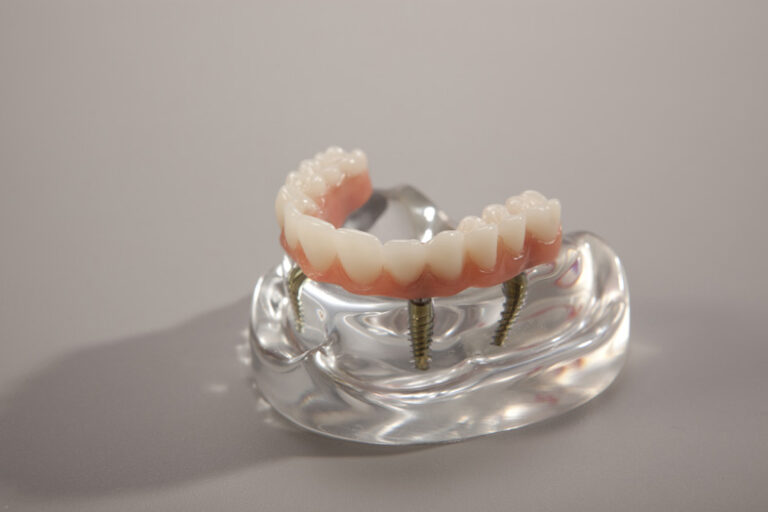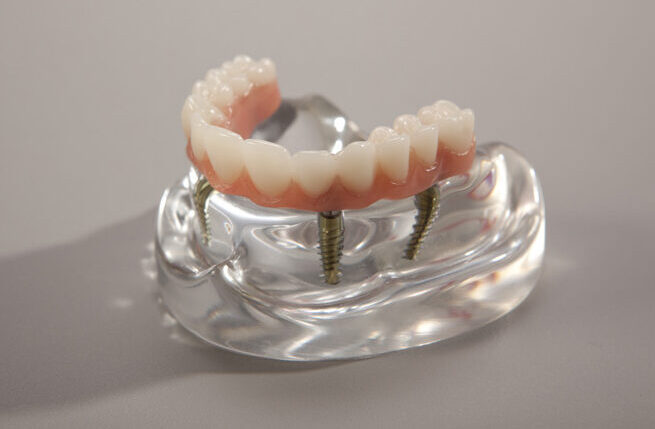
Choosing an All-on-4 implant dentist means looking beyond a general dentistry license. This is a complex surgical and restorative procedure, so the provider you select should have dedicated implant training, hands-on full-arch experience, and a clear process for planning and follow-up care. Understanding what to look for, what to ask, and what to avoid will help you make a confident, well-informed decision.
What qualifications should an All-on-4 implant dentist have?
A qualified All-on-4 provider should have advanced training in both implant surgery and full-arch prosthetics, beyond a standard dental degree. Look for dentists who have completed dedicated implantology coursework, have surgical experience placing multiple implants, and understand the restorative side of rebuilding an entire arch with a fixed bridge.
General dentistry covers a broad range of treatments, but All-on-4 implants require a specific skill set. The dentist needs to understand bone anatomy, implant angulation, and how the final prosthesis will function under the full force of biting and chewing. Prosthodontic knowledge matters here because the bridge that attaches to your four implants must be designed and fitted with precision.
Membership in professional implant organizations and ongoing continuing education are also good indicators. A provider who stays current with techniques and technology is more likely to deliver predictable, lasting results.
What questions should you ask during an All-on-4 consultation?
A good consultation should feel like a real conversation, not a sales pitch. Come prepared to ask about the dentist’s experience with full-arch cases, the diagnostic imaging they use, how they plan the surgery, what the day-of procedure looks like, and what support is available after treatment.
Specific questions worth asking include:
- How many All-on-4 cases have you completed?
- Do you use 3D cone-beam CT imaging for treatment planning?
- What does the day-of procedure involve, and will I leave with teeth?
- How long is the recovery, and what should I expect?
- What happens if I experience a complication after surgery?
- Is the final restoration completed in-house or sent to an outside lab?
Pay attention to how thoroughly your questions are answered. A confident, experienced provider will walk you through each step clearly and make sure you understand what to expect before, during, and after the procedure.
What are the warning signs of an underqualified All-on-4 provider?
Red flags to watch for include vague answers about the surgical process, no mention of 3D imaging or digital treatment planning, pricing that seems unusually low without a clear explanation, and limited post-operative support. These gaps can point to a lack of experience or inadequate infrastructure for a procedure this involved.
Transparency matters. A qualified practice will give you a clear breakdown of what the treatment includes, what the costs cover, and what follow-up care looks like. If a provider avoids specifics or rushes through your concerns, that is worth taking seriously.
Also be cautious if the practice cannot show you a clear workflow for handling complications. Post-operative support is a core part of responsible All-on-4 care, not an optional extra.
How do you know if you’re truly a good candidate for All-on-4 implants?
Good candidates for All-on-4 implants generally have sufficient jawbone density to support implant placement, are in reasonably good overall health, and do not have uncontrolled systemic conditions that could interfere with healing. Habits like smoking can affect outcomes and should be discussed honestly during your evaluation.
That said, the only reliable way to confirm candidacy is through a thorough in-person exam. A proper evaluation includes a review of your medical history, an oral health assessment, and 3D imaging to assess bone volume and structure. Some patients who might not qualify for traditional implants are still good candidates for All-on-4 due to the angled implant placement that engages more available bone.
If you have been told you are not a candidate elsewhere, it is worth getting a second opinion from a provider experienced in full-arch restoration.
Choosing the right provider is the most important step in your All-on-4 journey. If you are ready to find out whether this treatment is right for you, we would love to help. Request an appointment with our team and take the first step toward a confident, lasting smile.