All-on-4 implants typically cost between $20,000 and $30,000 per arch in the United States, though total pricing varies based on your specific needs and location. This full-arch solution replaces an entire row of teeth using just four implants, making it a more affordable alternative to individual implants. Below, we answer the most common questions patients have before deciding whether this treatment is right for them.
What are All-on-4 dental implants, and what makes them different from traditional options?
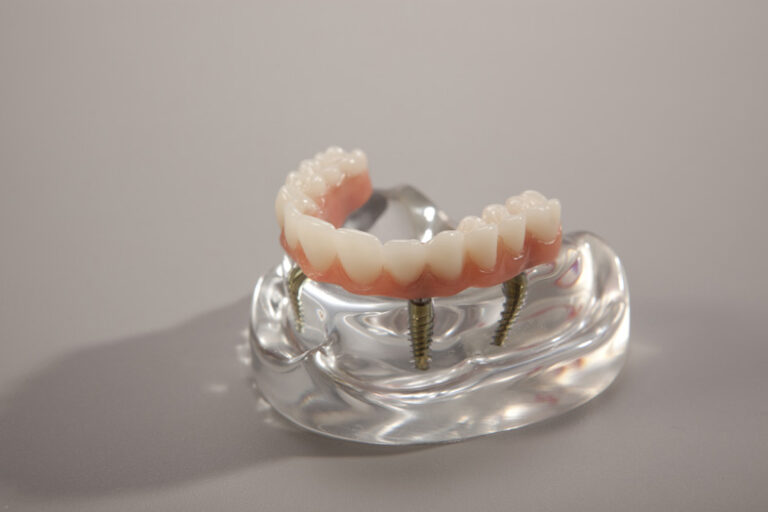
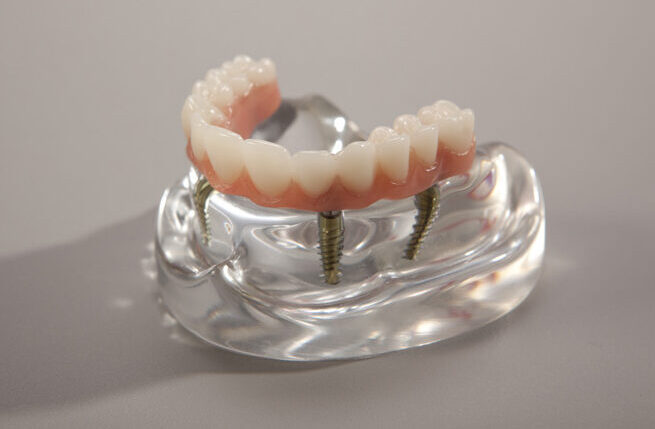
All-on-4 implants are a permanently fixed dental prosthesis that uses four titanium implants per jaw to support a full arch of 12 to 14 replacement teeth. Unlike removable dentures, they stay in place and function like natural teeth. Unlike individual implants, they restore an entire arch using only four anchor points, placed at strategic angles to maximize contact with available bone.
The angled placement is what makes this approach particularly effective. By tilting the rear implants, the procedure engages more of the jawbone, which often eliminates the need for bone grafting even in patients with some degree of bone loss. The result is a stable, permanent set of teeth completed in a single day.
Traditional dentures sit on the gums and can shift, slip, or require adhesives. Individual implants require one post per missing tooth, which adds significant cost and treatment time. All-on-4 sits between these two options, offering the permanence of implants with the full-arch coverage of dentures at a more accessible price point than replacing every tooth individually.
How much do All-on-4 implants typically cost, and what factors affect the price?
Most patients in the U.S. can expect to pay between $20,000 and $30,000 per arch for All-on-4 implants. The total cost covers the surgical placement, the implant posts, and the prosthetic arch. Treating both the upper and lower jaws doubles that estimate. Several variables can shift the final number up or down.
Key factors that influence pricing include:
- Geographic location: Practices in higher cost-of-living areas tend to charge more.
- Provider experience: A dentist with advanced implant training may charge more, though expertise often reduces complications.
- Type of prosthetic arch: Temporary acrylic arches cost less than final zirconia restorations.
- Pre-surgical treatments: Extractions, bone grafting, or treatment for gum disease add to the total.
- Oral health complexity: Patients with significant bone loss or infection may require additional preparation before implant placement.
Getting a thorough evaluation before committing to a price estimate is important, since the final cost depends heavily on your individual oral health situation.
Does dental insurance cover All-on-4 implants, and are there financing options available?
Most dental insurance plans do not fully cover All-on-4 implants, since implant procedures are often classified as elective or cosmetic. However, some plans may cover portions of the treatment, such as extractions, anesthesia, or the prosthetic crown component. Checking your specific plan’s language around “restorative” versus “cosmetic” procedures is a good starting point.
For the out-of-pocket portion, several options can make the cost more manageable:
- Third-party financing: Programs like CareCredit offer low- or no-interest payment plans spread over time.
- In-house payment plans: Many dental practices offer their own flexible payment arrangements.
- FSA or HSA funds: Flexible spending accounts and health savings accounts can often be applied toward implant procedures, reducing your taxable out-of-pocket expense.
We encourage patients to ask about all available options during their consultation so treatment decisions are based on the full picture.
Is the cost of All-on-4 implants worth it compared to traditional dentures?
For most patients dealing with significant tooth loss, All-on-4 implants offer long-term value that traditional dentures simply cannot match. While dentures carry a lower upfront cost, they come with ongoing expenses for adhesives, relining, and eventual replacement, along with quality-of-life limitations that add up over time.
All-on-4 implants are designed to last 10 years or more with proper care. They preserve jawbone, restore full biting and chewing function, and require no removal for cleaning. Patients brush and floss them just like natural teeth. Dentures, by contrast, can accelerate bone loss and may feel uncomfortable or unstable during eating and speaking.
The decision comes down to what matters most to you: a lower initial cost with ongoing trade-offs, or a one-time investment in a permanent, natural-feeling solution. For many people, the confidence and convenience that come with a fixed smile make All-on-4 the clearer choice over time.
If you’re ready to explore whether All-on-4 implants are the right fit for your smile and your budget, we’d love to help you find out. Request an appointment with our team and take the first step toward a confident, lasting smile.