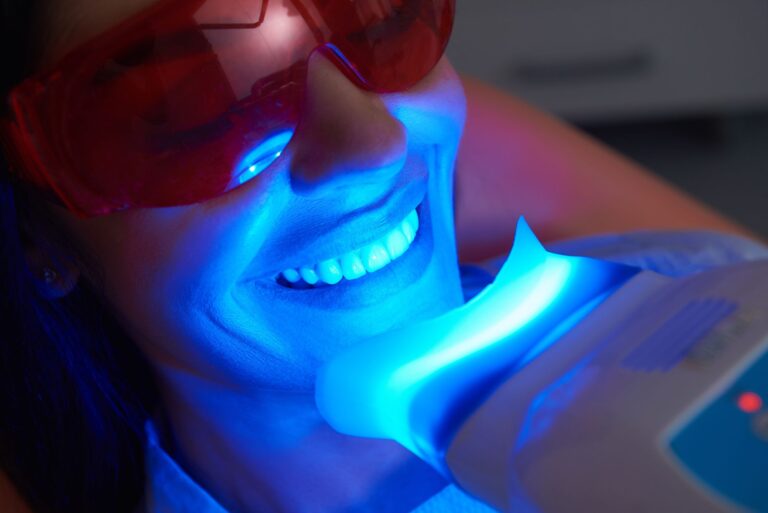
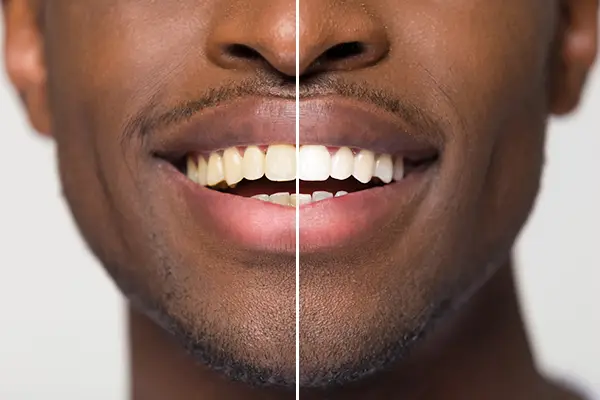
When done correctly, teeth whitening does not damage enamel. Professional whitening treatments use agents that penetrate the enamel to break down stains without eroding the tooth structure itself. While you might experience temporary sensitivity, this doesn’t indicate permanent harm. Understanding how whitening works and following proper protocols ensures you can brighten your smile safely while protecting your tooth enamel.
Can teeth whitening damage enamel?
Properly administered teeth whitening treatments do not damage tooth enamel. The whitening agents, typically hydrogen peroxide or carbamide peroxide, work by penetrating the enamel to reach discolored molecules in the dentin layer beneath. These agents break apart stain molecules through oxidation rather than removing or weakening the enamel surface.
Research consistently shows that when whitening products are used as directed, the enamel structure remains intact. The outer layer of your tooth is remarkably resilient, and professional-grade whitening formulations are specifically designed to preserve this protective barrier while lifting stains.
The key distinction lies between temporary effects and actual damage. You might notice teeth feel slightly rough or look chalky immediately after whitening, but this results from temporary dehydration. Once your teeth rehydrate over the following 24-48 hours, the enamel returns to its normal appearance and texture. This temporary change doesn’t represent structural harm.
Problems arise when whitening products are misused through excessive application, using concentrations too strong without supervision, or applying treatments to compromised teeth. Following recommended treatment schedules and working with dental professionals ensures your enamel stays healthy throughout the whitening process.
What’s the difference between professional and at-home teeth whitening for enamel safety?
Professional in-office whitening offers the highest level of enamel protection through controlled application, precise concentration levels, and expert supervision. Dentists use higher-strength whitening agents (typically 25-40% hydrogen peroxide) but apply protective barriers to your gums and carefully monitor the entire process to prevent overexposure.
At-home treatments supervised by your dentist involve custom-fitted trays that prevent whitening gel from contacting your gums while ensuring even coverage. These systems use lower concentrations (usually 10-20% carbamide peroxide) designed for gradual whitening over several applications. The custom fit minimizes gel waste and reduces the risk of gum irritation or uneven results.
Over-the-counter whitening strips and generic trays present more variables for enamel safety. These products use lower concentrations for consumer safety, but the one-size-fits-all approach means gel may not distribute evenly or could contact soft tissues. When used exactly as directed, they remain safe, but the lack of professional guidance means users might overuse them or apply them incorrectly.
If you’re considering professional teeth whitening services, you’ll benefit from a comprehensive dental assessment before treatment begins. This evaluation identifies any enamel concerns, existing dental work, or oral health issues that might affect your whitening approach, ensuring the safest possible experience.
How can you protect your enamel during teeth whitening?
Schedule a dental examination before starting any whitening treatment. Your dentist can identify cavities, enamel erosion, or gum recession that should be addressed first. Whitening agents can penetrate compromised areas and cause discomfort or complications, so ensuring your oral health is sound creates the foundation for safe whitening.
Follow the recommended application frequency precisely. More isn’t better when it comes to whitening treatments. Using products more often than directed doesn’t speed up results but does increase the risk of enamel dehydration and sensitivity. Professional treatments typically involve one to three sessions, while at-home systems work over 10-14 days.
Consider these protective strategies during your whitening process:
- Use fluoride toothpaste or prescribed fluoride treatments to strengthen enamel before and after whitening
- Apply remineralizing products containing calcium phosphate to help restore mineral content
- Avoid acidic foods and beverages for 24-48 hours after treatment, as enamel is slightly more porous during this period
- Wait at least 30 minutes after whitening before brushing to allow enamel to rehydrate
- Drink water frequently to maintain hydration and help neutralize your mouth’s pH
Maintain excellent oral hygiene throughout the whitening process. Brush gently with a soft-bristled toothbrush and continue regular flossing. Clean teeth respond better to whitening treatments and maintaining good habits protects your enamel long after you’ve achieved your desired shade.
Space out whitening treatments appropriately. Most dental professionals recommend waiting at least six months between whitening sessions to allow your enamel to fully recover and remineralize. Touch-up treatments typically require less intensive application than initial whitening.
What causes tooth sensitivity after whitening and does it mean enamel damage?
Tooth sensitivity after whitening occurs when the whitening agent temporarily opens microscopic tubules in your dentin, the layer beneath your enamel. This allows temperature changes and certain foods to reach the nerve more easily, creating that characteristic sharp sensation. This sensitivity results from temporary dehydration and exposed pathways rather than enamel damage.
The enamel itself doesn’t contain nerves, so the sensitivity you feel comes from the dentin layer. During whitening, as peroxide molecules move through the enamel to break down stains, they temporarily increase enamel permeability. Your teeth also lose moisture during the process, which can make them feel more sensitive until they naturally rehydrate.
This sensitivity typically lasts 24-72 hours after treatment and gradually diminishes as your teeth rehydrate and the dentin tubules close again. Most people experience mild to moderate sensitivity that’s manageable with desensitizing toothpaste or pain relievers. The temporary nature of this discomfort confirms it doesn’t indicate permanent damage.
You should contact your dentist if sensitivity persists beyond a few days, becomes severe, or worsens over time. These symptoms might indicate an underlying issue like a cavity, crack, or gum recession that the whitening process revealed rather than caused. Persistent sensitivity could also mean the whitening product contacted an area of compromised enamel.
Managing whitening-related sensitivity effectively involves using desensitizing toothpaste for several days before treatment, which helps block the dentin tubules in advance. During treatment, taking breaks between applications gives your teeth recovery time. Afterward, avoiding extreme temperatures and acidic foods while continuing desensitizing products helps minimize discomfort during the brief sensitive period.
Understanding that sensitivity doesn’t equal damage helps you approach teeth whitening with realistic expectations. Your enamel remains structurally sound even when your teeth feel temporarily sensitive, and this common side effect resolves quickly as your teeth return to their normal hydration levels.
Ready to Achieve a Brighter, Healthier Smile?
Protecting your enamel while achieving the brilliant smile you desire is entirely possible with the right professional guidance. Our experienced dental team specializes in safe, effective whitening treatments tailored to your unique needs. We’ll assess your oral health, recommend the best whitening approach for you, and ensure your enamel stays protected throughout the process. Don’t let concerns about enamel damage hold you back from the confident smile you deserve. Request an appointment with us today and discover how we can safely transform your smile while keeping your teeth healthy and strong.