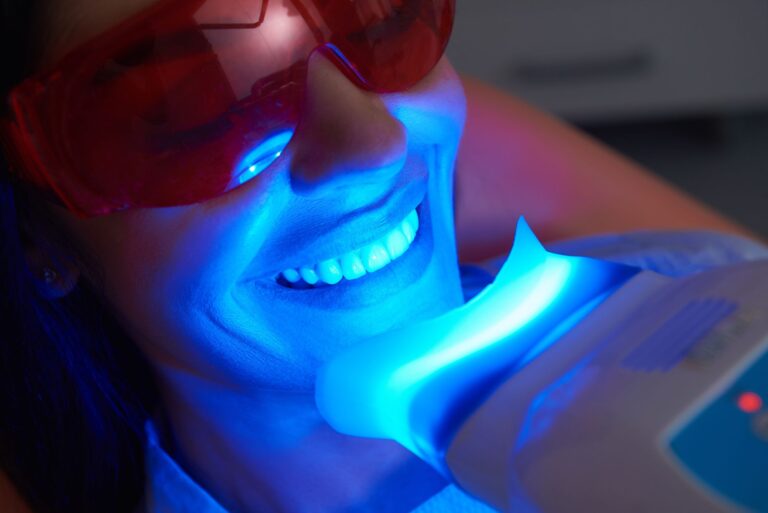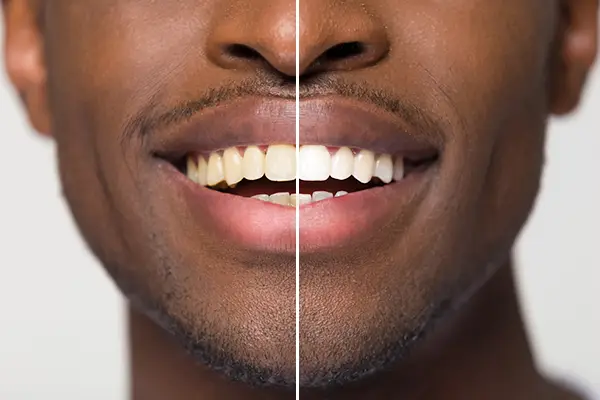
After teeth whitening, dietary choices can influence your comfort and may affect your results — though emerging research suggests the picture is more nuanced than a strict universal rule. Temporary sensitivity is a real concern for many patients, and certain foods and drinks are still worth approaching with care in the days following treatment. This guide offers practical, treatment-specific guidance to help you feel confident about what to eat and drink after whitening.
What foods should you avoid after teeth whitening?
Many dental professionals recommend being cautious with strongly pigmented and acidic foods and drinks in the days following whitening, particularly because your teeth may feel more sensitive during this period. That said, a 2024 systematic review and network meta-analysis — summarized by ADA News and drawing on seven clinical trials — found that patients who followed a white diet and those who consumed pigmented foods or unrestricted diets showed comparable color changes during bleaching. This does not mean that food choices are irrelevant, but it does suggest that a rigid, one-size-fits-all white diet may not be necessary for every patient.
What remains clear is that individual product instructions from your professional teeth whitening provider should still be followed, and that sensitivity — a separate issue from whitening effectiveness — may make some foods and drinks uncomfortable in the short term.
The following table outlines the main categories to consider:
| Category | Examples | Consideration |
|---|---|---|
| Coffee, tea, and other potentially pigmented drinks | Coffee, black tea, red wine, cola, dark fruit juices, balsamic vinegar, soy sauce, tomato-based sauces, berries, dark chocolate | These contain intense pigments. Current evidence does not confirm they always reduce whitening outcomes, but your provider’s aftercare instructions may advise limiting them, especially early on. |
| Acidic foods and drinks | Citrus fruits and juices, pickles, vinegar-based dressings, sports drinks, carbonated soft drinks | Acidic items can temporarily soften enamel and contribute to erosion over time. Limiting them is a sound oral-health habit regardless of whitening. |
| Temperature extremes | Very hot drinks (coffee, tea, soup), very cold foods (ice cream, iced drinks) | Temperature extremes may aggravate post-whitening sensitivity. Room-temperature or lukewarm options are more comfortable while sensitivity persists. |
| Comfortable food and drink choices | Water, white milk, coconut water, chicken breast, white fish, eggs, plain yogurt, white cheese, cauliflower, white rice, pasta with light sauce, bananas, white bread, plain crackers | Light-colored, non-acidic, and mild-temperature foods tend to be the most comfortable and least likely to cause irritation during the days following treatment. |
How long should you be mindful of food and drink choices after teeth whitening?
The days immediately following whitening are when sensitivity is most commonly reported, so this is the period when thoughtful food choices matter most for comfort. How long this lasts varies from person to person and depends on the type of treatment used — in-office treatments tend to involve stronger agents than at-home kits, and your provider’s specific aftercare instructions should take priority over any general guidance.
Rather than following a fixed 24-to-48-hour rule, pay attention to how your teeth feel. As sensitivity eases, you can comfortably return to your normal diet. If sensitivity persists beyond a week, that is worth discussing with your dental professional.
Continuing to moderate strongly pigmented and acidic foods for the first week is a reasonable approach that many providers recommend, and it supports good oral health more broadly — but avoiding a particular food does not guarantee any specific whitening outcome.
What can you safely eat and drink after teeth whitening?
Comfortable choices in the days after whitening tend to be light-colored, non-acidic, and served at mild temperatures. These foods are less likely to cause irritation and are generally easy on sensitive teeth.
- Proteins: Chicken breast, white fish, turkey, tofu, eggs, and plain cottage cheese.
- Dairy: White milk, plain yogurt, and mild white cheeses provide calcium that supports enamel health.
- Vegetables and starches: Cauliflower, white potatoes, white rice, pasta with a light sauce, and white beans.
- Fruit: Bananas and other light-colored, low-acid fruits.
- Beverages: Water is always the best choice. Coconut water and white milk are good alternatives. If you want something warm, white tea contains fewer tannins than black tea or coffee.
- Snacks: Plain crackers, plain popcorn, and vanilla yogurt.
These are suggestions for comfort, not a guarantee of whitening results. Eat what feels comfortable and follow the specific guidance your provider gives you.
Why might teeth feel more sensitive after whitening?
Whitening agents work by penetrating enamel to break down stain molecules and lighten the underlying dentin. This process can temporarily increase sensitivity, which is why very hot, very cold, or acidic foods and drinks may feel uncomfortable for a few days after treatment.
Sensitivity after whitening is common and typically resolves on its own. Your saliva plays a natural role in remineralization — gradually helping to restore your teeth’s protective barrier — but the timeline varies between individuals and is not fixed at a specific number of hours.
If you experience significant or prolonged sensitivity, speak with your dental professional. They can recommend appropriate products or adjustments to your routine.
How can you protect your whitening results long-term?
Maintaining a bright smile over time comes down to consistent oral hygiene habits and regular professional care rather than any single dietary rule.
- Brush and floss regularly. Brushing twice daily and flossing helps prevent surface stains from accumulating.
- Use a straw when drinking pigmented beverages to reduce direct contact with your teeth.
- Rinse with water after consuming staining or acidic foods and drinks.
- Consider timing. Drinking coffee or tea with a meal rather than sipping it over a long period may reduce prolonged exposure.
- Schedule a cleaning to remove surface stains regularly. Professional cleanings address plaque and surface buildup that can dull your smile over time, and they give your provider a chance to assess your results and recommend any adjustments.
- Follow your provider’s touch-up guidance. If and when touch-up treatments are appropriate for you, your dental professional is best placed to advise on timing based on your specific situation and habits.
Some gradual color change over time is natural. Being consistent with oral hygiene and attending regular dental visits gives you the best foundation for enjoying your results.
Ready to achieve your brightest smile?
Good post-whitening care supports your comfort and your results, and the best guidance is always tailored to your specific treatment and needs. If you have questions about professional teeth whitening or want advice on caring for your smile after treatment, the team at Ocean Dental is here to help. Request an appointment with us today to discuss your goals and get personalized guidance every step of the way.