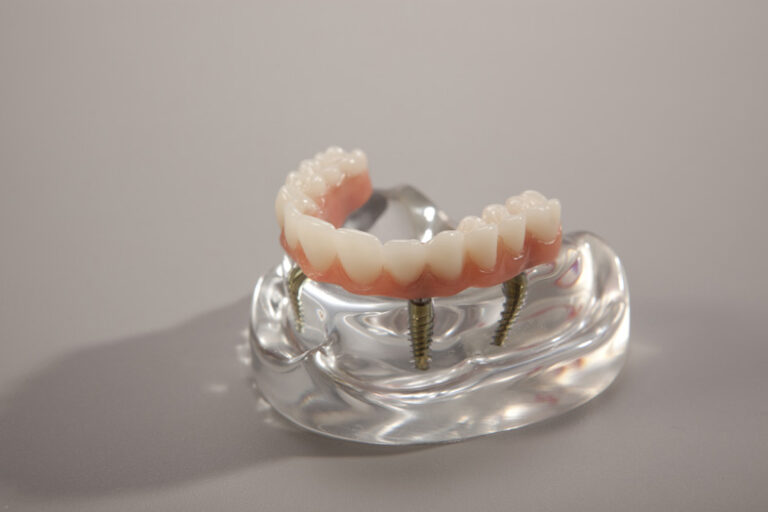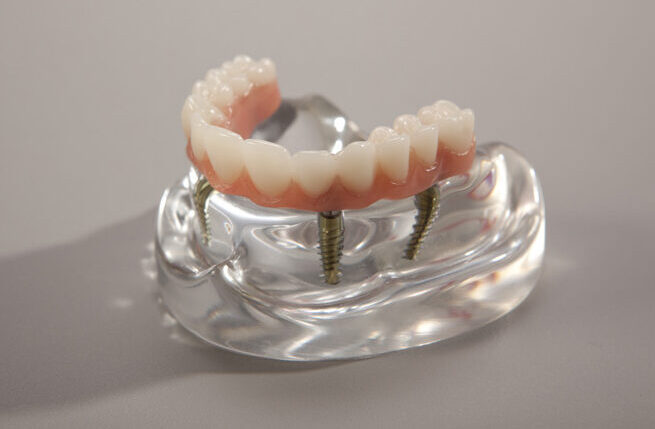
All-on-4 implants can technically be removed, but it’s not a simple process. The titanium posts fuse with your jawbone over time, making removal a surgical procedure that requires clinical justification. The prosthetic bridge can be detached more straightforwardly, but removing the implant posts themselves is reserved for specific medical situations. Understanding the difference between these two components helps clarify what “removal” actually means in practice.
Are All-on-4 implants actually permanent, or can they be removed?
All-on-4 implants are designed to be a long-term, fixed solution, not a reversible one. The prosthetic bridge can be removed by a dentist when needed, but the four titanium posts that anchor it are intended to stay in the jaw permanently. Once osseointegration occurs—meaning the bone grows around and bonds with the implants—removal becomes a surgical procedure rather than a routine adjustment.
Think of it this way: the bridge is like a fixed crown that can be unscrewed and replaced, while the implant posts are more like artificial tooth roots embedded in living bone. Removing those posts after full integration requires cutting away bone tissue, which is why the procedure is considered a last resort rather than a standard option.
This is part of what makes All-on-4 implants such a reliable solution. Their stability comes precisely from that permanent bond with the jaw, which is what allows patients to bite, chew, and speak with confidence for many years.
When might a dentist recommend removing or replacing All-on-4 implants?
Removal is only recommended when there’s a genuine clinical reason. The most common situations include implant failure, where the post doesn’t integrate properly or loses its bond with the bone over time. Peri-implantitis, an infection of the tissue surrounding the implant, can also cause progressive bone loss that makes the implant unstable.
Other scenarios involve significant structural damage to the prosthetic bridge, major changes in a patient’s overall health that affect healing, or substantial bone deterioration that compromises the implant’s support. In these cases, the dentist will distinguish between what needs attention: sometimes only the bridge requires replacement, while the posts remain healthy and intact.
The urgency also varies. A cracked or worn bridge may allow time for careful planning, while an active infection around an implant post typically needs prompt attention to protect surrounding bone and tissue.
What does the All-on-4 removal or revision process involve?
The process begins with a thorough evaluation, including 3D imaging and a clinical consultation to assess bone density, implant condition, and overall oral health. This diagnostic step determines whether revision, partial replacement, or full removal is the right path.
If only the prosthetic bridge needs replacing, the process is relatively straightforward. The bridge is detached, a new one is fabricated, and it’s secured back onto the existing posts with minimal disruption.
When implant post removal is necessary, it’s a surgical procedure performed under local anesthesia, with sedation options available for comfort. Recovery typically involves some swelling and tenderness for a few days, managed with prescribed medication. Bone condition after removal plays a major role in what happens next, as areas of bone loss may need time to heal before any new implants can be placed.
What are your options after All-on-4 implants are removed?
Removal doesn’t mean you’re without options. Depending on the condition of your jaw, several restorative paths are available. If sufficient bone remains, new implant posts can often be placed after a healing period, allowing for a fresh All-on-4 restoration. When bone loss is more significant, a bone graft may be recommended to rebuild the foundation before re-implantation.
For patients who need time to heal, a transitional denture can provide functional coverage while the jaw recovers. In some cases, alternative full-arch solutions may be considered based on individual anatomy and health factors.
Every situation is different, which is why a personalized evaluation matters so much. The right next step depends on your bone health, medical history, and long-term goals, and those factors deserve careful, expert attention.
If you have questions about your All-on-4 implants or want to explore your options with a caring, experienced team, we’d love to help. Request an appointment with us at Ocean Dental & Aesthetics, and let’s find the best path forward together.