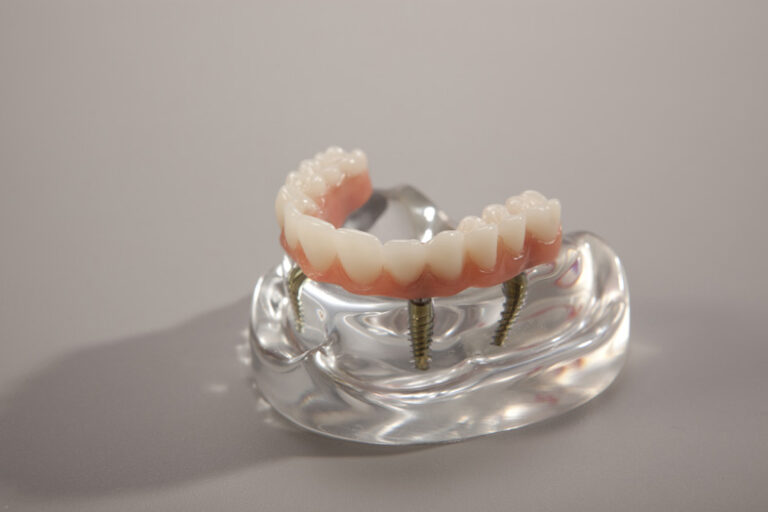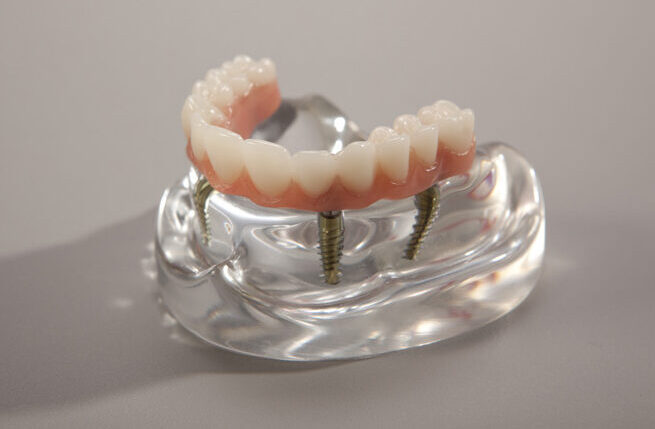
All-on-4 implants are not painful during the procedure itself. Local anesthesia and sedation keep patients comfortable throughout. Most people experience some soreness and swelling in the days that follow, but it’s generally manageable with prescribed medication and rest. If you’re weighing whether All-on-4 is right for you, understanding what happens at each stage—from the procedure to recovery—makes the decision much easier.
What actually happens during an All-on-4 implant procedure?
The All-on-4 procedure is completed in a single day. You arrive, receive anesthesia or sedation, and leave with a fully functional set of teeth. The process involves placing four titanium implants into the jawbone at precise angles to maximize support, then attaching a complete arch of 12 to 14 teeth during the same visit.
Before anything begins, your care team confirms your sedation preference. Options typically include local anesthesia, oral sedation, or IV sedation for patients who feel more anxious. Once you’re comfortable, any remaining teeth are removed if needed, the implants are placed, and your new prosthesis is secured. Most patients are surprised by how little they feel during the procedure itself.
How much pain do most people feel after All-on-4 implants?
Post-procedure discomfort is real but usually mild to moderate and short-lived. Most patients describe it as a dull ache or pressure around the jaw, similar to what you might feel after a tooth extraction. Swelling and bruising around the face are common in the first few days and tend to peak around day two or three before gradually improving.
Compared to other major dental procedures, many patients find the recovery more manageable than expected. Significant discomfort typically eases within the first week, with most people returning to light daily activities within a few days. The key is following your care team’s recovery instructions closely.
How is pain managed before, during, and after All-on-4 treatment?
Pain management is built into every stage of the All-on-4 journey. During the procedure, sedation and local anesthesia ensure you feel nothing. Afterward, your provider typically prescribes pain relievers and anti-inflammatory medication to help stay ahead of discomfort during the first several days.
At home, a few straightforward habits help significantly:
- Apply ice packs to the face in 20-minute intervals during the first 48 hours
- Stick to soft foods like yogurt, mashed potatoes, and smoothies while healing
- Keep your head elevated when resting to reduce swelling
- Avoid smoking and alcohol, which can slow healing
- Take all prescribed medications as directed, even if you feel fine
Staying proactive with pain management makes a noticeable difference in how comfortable your recovery feels overall.
What signs during All-on-4 recovery should you not ignore?
Some discomfort is expected, but certain signs suggest something may need attention. Contact your dental provider promptly if you notice any of the following during recovery:
- Pain that gets significantly worse after the third or fourth day rather than improving
- Fever above 101°F, which may indicate an infection
- Excessive or uncontrolled bleeding beyond the first 24 hours
- Implants that feel loose or are shifting
- Persistent numbness or tingling that doesn’t resolve
- Pus or an unusual taste around the implant site
Normal healing involves gradual improvement each day. If something feels off or you’re unsure whether what you’re experiencing is typical, it’s always better to reach out than to wait.
Understanding the full picture of what All-on-4 implants involve, from the procedure day to recovery, helps you walk in prepared and confident. If you’re ready to explore whether this treatment is right for you, we’d love to help. Request an appointment with our team and take the first step toward a smile that feels as good as it looks.