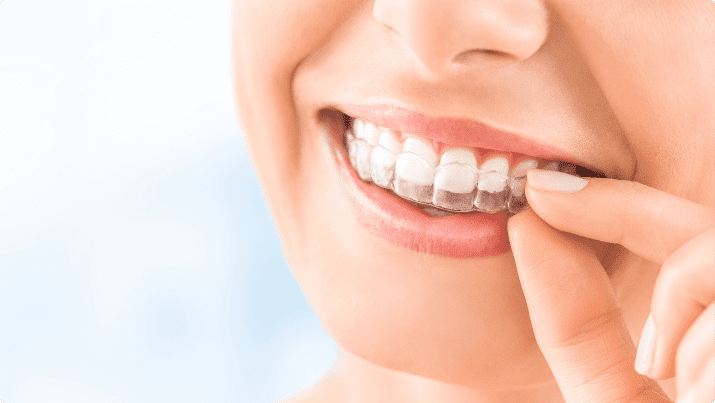
Choosing between Invisalign and traditional braces depends on your lifestyle, orthodontic needs, and personal preferences. Invisalign uses clear, removable aligners to straighten teeth discreetly, while braces use metal brackets and wires for comprehensive tooth movement. Both orthodontic treatment options effectively correct misalignment, but they differ in appearance, comfort, and daily maintenance. Understanding these key differences helps you decide which teeth straightening option aligns with your goals and circumstances.
What’s the main difference between Invisalign and traditional braces?
The fundamental difference lies in how each system moves your teeth. Traditional braces use metal brackets bonded to your teeth connected by wires that apply constant pressure to shift teeth into position. Invisalign relies on a series of custom-made, clear plastic aligners that you change every one to two weeks, gradually guiding teeth through precise movements designed with advanced 3D imaging technology.
Appearance is the most obvious distinction. Braces are visible when you smile or speak, featuring metal components that remain fixed throughout treatment. Invisalign aligners are nearly invisible, made from clear plastic that blends with your natural teeth. This makes Invisalign particularly appealing for adults and professionals who prefer a more discreet orthodontic solution.
The mechanics also differ significantly. Braces work continuously, applying steady force that your orthodontist adjusts during regular appointments. You cannot remove braces yourself. Invisalign aligners are removable, allowing you to take them out for eating, drinking, brushing, and special occasions. However, this removability requires discipline since you must wear aligners 20-22 hours daily for effective treatment.
How do Invisalign and braces compare for treatment time and effectiveness?
Treatment duration for both options typically ranges from 12 to 24 months, though this varies based on your specific orthodontic needs. Simple cases like minor crowding or spacing may take 6-12 months with either method, while complex bite corrections or severe misalignment can extend to 24-36 months. The timeline depends more on your individual situation than the treatment type itself.
Traditional braces remain the gold standard for complex orthodontic cases involving severe crowding, significant bite problems, or teeth that need vertical movement or rotation. The fixed nature of braces allows orthodontists to apply precise, continuous force in multiple directions simultaneously, making them highly effective for challenging corrections.
Invisalign has advanced considerably and now addresses a wide range of orthodontic issues including crooked teeth, overbites, underbites, crossbites, open bites, and gaps between teeth. Modern Invisalign technology handles many cases that previously required traditional braces. However, some complex situations still benefit from the comprehensive control that braces provide. Your orthodontist can evaluate whether Invisalign or braces better suits your specific alignment challenges.
Which is more comfortable: Invisalign or braces?
Comfort levels differ throughout treatment. Invisalign typically causes less mouth irritation since the smooth plastic aligners don’t have brackets or wires that can poke or scratch your cheeks, lips, and tongue. Traditional braces often create sore spots, particularly after adjustments or if a wire breaks. Orthodontic wax can help, but many braces wearers experience ongoing minor irritation.
Both options cause some discomfort when teeth are actively moving. With braces, you’ll feel soreness after each adjustment appointment when wires are tightened. Invisalign creates pressure when you switch to a new aligner set, typically every one to two weeks. Many patients report that Invisalign pressure feels milder and more manageable than braces adjustments.
Daily life differs significantly between the two. Braces require careful eating since hard, sticky, or crunchy foods can damage brackets and wires. You’ll need to avoid popcorn, nuts, hard candy, and chewy foods throughout treatment. Invisalign allows you to eat whatever you want since you remove the aligners before meals. However, you must brush your teeth after eating before reinserting aligners, which requires extra planning when dining out.
Oral hygiene is easier with Invisalign since you can brush and floss normally without navigating around brackets and wires. Braces require special flossing tools and extra time to clean thoroughly around hardware. Speech may be temporarily affected with either option, though most people adjust within a few days to a week.
What are the cost differences between Invisalign and braces?
Both Invisalign and traditional braces typically range from $3,000 to $8,000, with the average falling between $4,000 and $6,000. The complexity and duration of your treatment affect cost more than the type of orthodontic system you choose. Simple corrections cost less, while comprehensive cases requiring longer treatment and more aligners or adjustments increase the investment.
Several factors influence your final cost. Geographic location plays a role, with orthodontic care in urban areas often costing more than rural regions. The experience and expertise of your provider also affects pricing. Treatment length directly impacts cost since longer cases require more materials, appointments, and professional time.
Insurance coverage varies by plan, but many dental insurance policies that include orthodontic benefits cover both Invisalign and braces similarly, typically contributing $1,000 to $2,000 toward treatment. Check your specific policy to understand your coverage. Some plans have age restrictions or lifetime maximums for orthodontic care.
We offer flexible payment options to make orthodontic treatment accessible. Many practices, including ours, provide financing plans that allow you to spread payments over the course of your treatment. This makes quality care more manageable for your budget without requiring full payment upfront. During your consultation, we can discuss specific investment details and payment arrangements that work for your financial situation.
How do you decide which orthodontic treatment is right for you?
Your decision should balance several personal factors with professional guidance. Start by considering your lifestyle and daily habits. If you travel frequently, attend many social events, or work in a public-facing role where appearance matters, Invisalign’s discretion may be valuable. If you prefer a set-it-and-forget-it approach without worrying about removing and replacing aligners throughout the day, braces might suit you better.
Compliance plays a crucial role in Invisalign success. The aligners only work when you wear them consistently for 20-22 hours daily. If you’re concerned about remembering to wear them or worry you might frequently remove them, traditional braces eliminate that variable since they work continuously without requiring your active participation.
Age and maturity matter, particularly for teenagers. While Invisalign works beautifully for responsible teens and adults, younger patients sometimes struggle with the discipline required to wear removable aligners consistently. Braces remove the compliance question entirely, making them reliable for patients who might not maintain consistent aligner wear.
Your specific orthodontic needs are paramount. Some complex cases respond better to traditional braces, while many common alignment issues work well with either option. A professional evaluation is essential to determine which treatment can effectively address your particular situation. During your consultation in Hilton Head, we’ll assess your teeth, discuss your goals, and recommend the orthodontic approach that will deliver the results you want.
The choice between Invisalign and braces isn’t about which is universally better, but rather which is better for you. Both are proven, effective teeth straightening options that create beautiful, healthy smiles. Request an Appointment to explore your options, see what your transformed smile could look like, and make an informed decision about the orthodontic treatment that fits your life and goals.