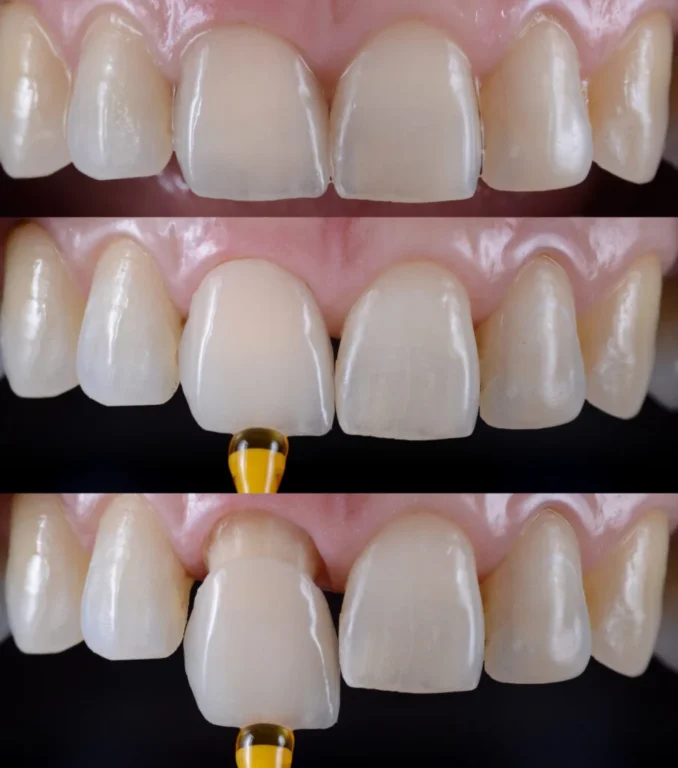
You can eat normally with a permanent dental crown once it’s fully set. A properly placed crown restores your tooth’s full function, allowing you to enjoy most foods without worry. The key is understanding the difference between temporary and permanent crowns, and following the recommended waiting period after placement. This guide addresses common questions about dental crown eating restrictions and care.
Can you eat normally with a dental crown?
With a permanent crown that’s fully bonded, you can eat normally and enjoy nearly all your favourite foods. Modern dental crowns are designed to withstand the same chewing forces as natural teeth, making them remarkably durable for everyday eating. The crown protects your damaged tooth whilst restoring its shape, strength, and function completely.
The timeline matters significantly. Whilst permanent crowns allow normal eating once the dental cement has cured, temporary crowns require more caution. Temporary crowns use weaker adhesive and less durable materials since they’re only meant to protect your tooth for a few weeks whilst your custom crown is being crafted. During this temporary phase, you’ll need to be more mindful about what and how you eat.
Permanent crown eating becomes comfortable quite quickly. Most patients find they can return to their regular diet within 24 hours of crown placement. The restoration blends seamlessly with your natural bite, and you’ll likely forget which tooth has the crown after the initial adjustment period. For comprehensive restorations, learn about our crown options for damaged teeth that provide lasting solutions.
What foods should you avoid with a new dental crown?
Immediately after crown placement, avoid sticky foods like caramel, toffee, and chewing gum that can dislodge the crown before the cement fully sets. Hard foods such as ice, hard sweets, and unpopped popcorn kernels pose risks of cracking the porcelain or loosening the bond. These precautions are especially important during the first 24 hours when the dental cement is still curing.
Extreme temperature changes can cause temporary sensitivity and even stress the crown material. Avoid consuming very hot coffee followed immediately by ice-cold water, as the rapid expansion and contraction can compromise the crown’s integrity over time. Give your mouth a moment to adjust between temperature extremes.
Long-term dental crown care involves being mindful of certain chewing habits. Don’t use your crowned tooth to tear open packages, crack nuts, or bite fingernails. Whilst the crown itself is strong, excessive force from the wrong angle can damage it or the underlying tooth structure. Chew carefully on both sides of your mouth to distribute pressure evenly.
Tough, fibrous foods like crusty bread or tough meats require extra attention. Cut them into smaller pieces rather than tearing with your teeth. This simple adjustment protects your crown whilst allowing you to enjoy a varied diet without significant restrictions.
How long after getting a crown can you eat normally?
With a permanent crown, wait at least one to two hours before eating to allow the dental cement to set properly. Most dentists recommend waiting 24 hours before consuming anything particularly hard, sticky, or chewy to ensure the bond has reached full strength. This short waiting period prevents crown displacement and ensures optimal longevity.
The cement curing process varies slightly depending on the type used. Traditional cement may take longer to reach full strength compared to modern resin-based adhesives. Your dentist will provide specific guidance based on the materials used during your procedure, so always follow their personalised recommendations for the best outcome.
Temporary crowns require more extended caution throughout their entire wear period, typically two to three weeks. During this time, stick to softer foods and chew primarily on the opposite side of your mouth. The temporary cement is intentionally weaker to allow easy removal when your permanent crown is ready, making the temporary more vulnerable to dislodgement.
If you experience persistent sensitivity, discomfort, or notice the crown feels loose or uneven after the initial adjustment period, schedule a follow-up appointment. These symptoms shouldn’t be ignored, as early intervention prevents more serious complications. Most concerns are easily addressed with minor adjustments to your bite or crown positioning.
What happens if you eat something hard with a crown?
Eating something hard with a crown occasionally won’t necessarily cause damage, but it does increase the risk of chipping the porcelain or loosening the bond. You might experience a sharp pain if excessive force stresses the crowned tooth, or you may notice the crown feels slightly different. Minor sensitivity that resolves within a day is usually nothing to worry about, but persistent discomfort requires professional assessment.
Signs of crown problems include visible chips or cracks in the porcelain, the crown feeling loose when you touch it with your tongue, or sensitivity that worsens rather than improves. You might also notice a gap forming between the crown and your gum line, or experience pain when biting down. These symptoms indicate the crown may need repair or replacement.
If you suspect crown damage, avoid chewing on that side of your mouth and contact your dentist promptly. Don’t attempt to reattach a loose crown yourself with household adhesive, as this can cause further complications. If the crown comes off completely, keep it safe and clean, and schedule an emergency appointment. We can often recement the same crown if it’s still intact and undamaged.
The difference between minor sensitivity and serious issues comes down to duration and intensity. Slight sensitivity to temperature that fades quickly is common and usually resolves as your mouth adjusts. However, sharp pain, throbbing, or sensitivity that persists beyond a few days signals a problem requiring professional attention. When in doubt, it’s always better to schedule a consultation to ensure your crown and underlying tooth remain healthy.
Taking care of your dental crown doesn’t mean sacrificing the foods you love. With proper precautions during the initial healing period and sensible long-term habits, your crown can serve you reliably for many years. If you have concerns about your crown or are considering restorative options for damaged teeth, we’re here to help. Request an appointment to discuss how we can restore both your smile and your confidence in eating comfortably.