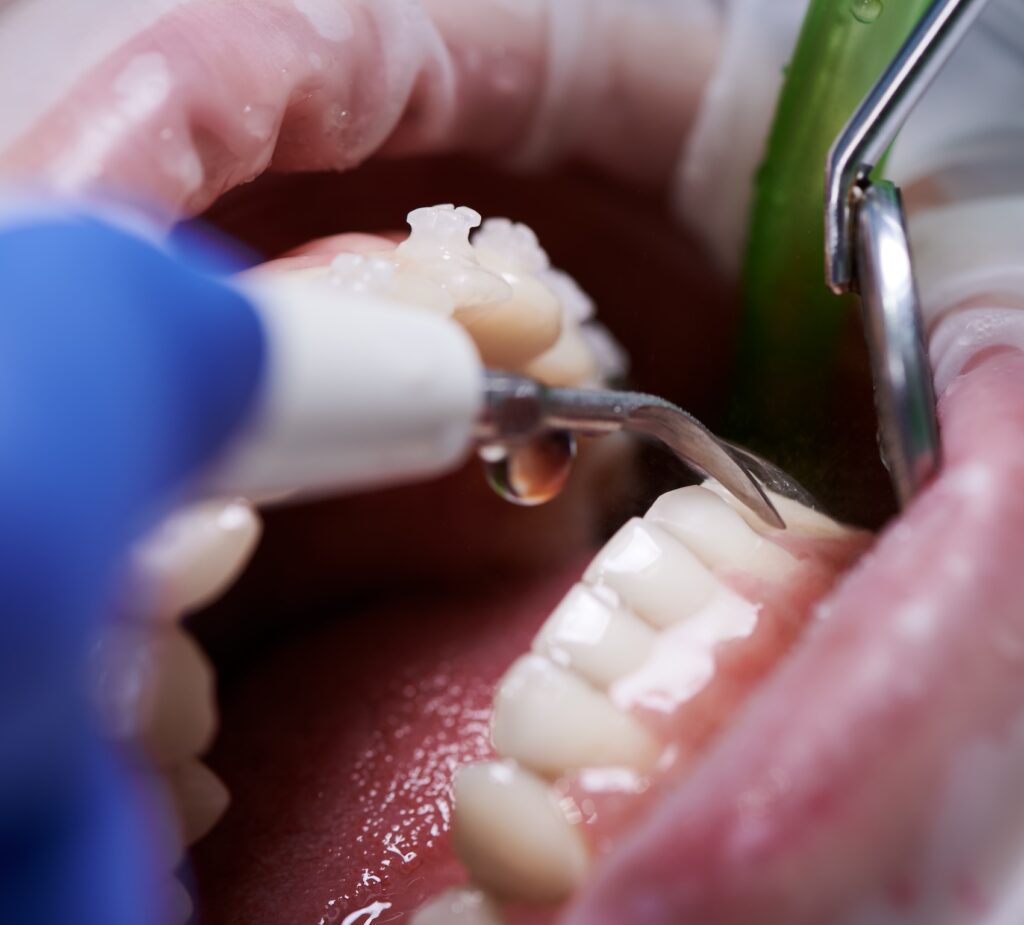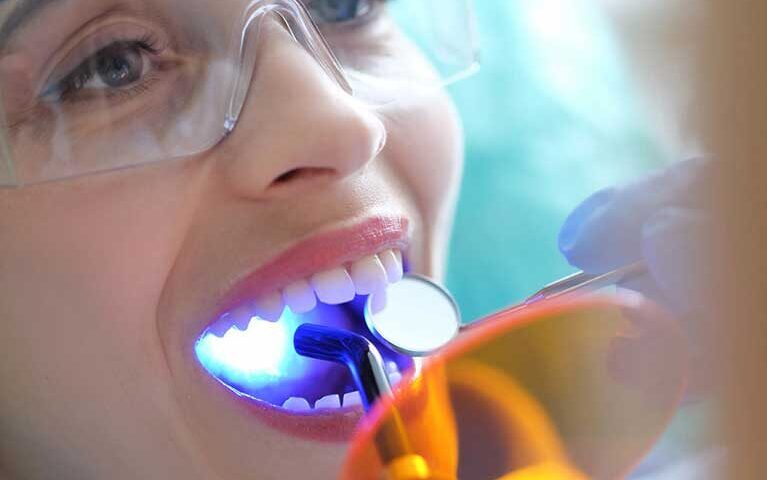
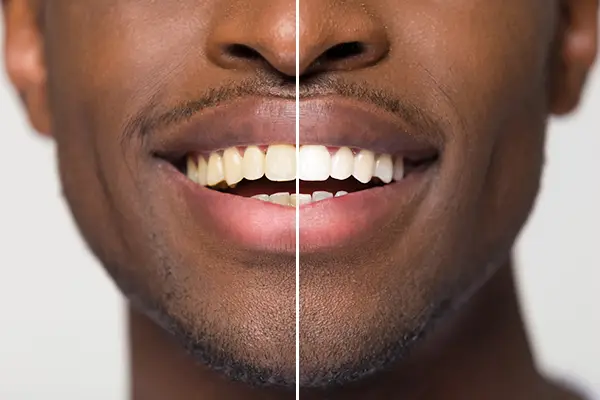
Teeth whitening can be safe for sensitive teeth when approached with proper precautions and professional guidance. Modern whitening treatments offer specialized formulas and techniques designed to minimize discomfort while delivering effective results. The key is choosing the right method for your sensitivity level and preparing your teeth appropriately. Understanding how whitening interacts with sensitive teeth helps you make informed decisions about brightening your smile comfortably.
Is teeth whitening safe if you have sensitive teeth?
Yes, teeth whitening is generally safe for people with sensitive teeth when done correctly. Professional treatments can be customized to accommodate sensitivity levels, using lower concentration formulas, shorter application times, or desensitizing agents. The safety profile of modern whitening methods has improved significantly, with many options specifically formulated for sensitive teeth.
The difference between professional and over-the-counter whitening becomes particularly important for sensitive teeth. Professional treatments allow for controlled application and customized strength, reducing the risk of excessive sensitivity. Your dentist can assess your tooth enamel condition, identify the cause of your sensitivity, and recommend the safest approach for your situation.
Over-the-counter products work for mild sensitivity but lack the customization that makes professional whitening safer for more pronounced sensitivity issues. Pre-existing sensitivity doesn’t automatically disqualify you from whitening, but it does require thoughtful treatment selection and proper preparation to ensure a comfortable experience.
What causes sensitivity during teeth whitening?
Whitening sensitivity occurs when peroxide-based whitening agents temporarily penetrate tooth enamel and reach the dentin layer underneath. Dentin contains microscopic tubules that connect to nerve endings, and when whitening solution contacts these tubules, it can trigger sensitivity or discomfort. This reaction is usually temporary and subsides within 24-48 hours after treatment.
Some people experience more sensitivity than others due to naturally thinner enamel, existing microscopic cracks in teeth, or exposed dentin near the gumline. People with receding gums often have heightened sensitivity because root surfaces lack the protective enamel layer found on tooth crowns.
The concentration of whitening agent and duration of exposure directly affect sensitivity levels. Higher concentration products work faster but increase sensitivity risk. There’s an important distinction between temporary whitening-induced sensitivity and pre-existing tooth sensitivity conditions. Whitening sensitivity typically resolves quickly, while chronic sensitivity may indicate underlying dental issues requiring separate treatment before pursuing professional teeth whitening solutions.
What are the best teeth whitening options for sensitive teeth?
Professional in-office whitening offers the best control for sensitive teeth because dentists can apply desensitizing agents before treatment, monitor your comfort throughout, and adjust concentration or timing as needed. These treatments often include protective barriers for gums and specialized formulas with potassium nitrate or fluoride to reduce sensitivity.
Custom take-home trays from your dentist provide another excellent option. These trays fit precisely to prevent gel from contacting gums, and you can control application frequency. Starting with shorter wearing times and gradually increasing allows your teeth to adapt while minimizing discomfort.
Over-the-counter sensitivity-formulated whitening products contain lower peroxide concentrations and often include desensitizing ingredients. Whitening toothpastes work most gently but deliver gradual results over weeks. Strips and trays designed for sensitive teeth offer middle-ground effectiveness with reduced sensitivity risk compared to standard formulations.
The advantage of professional supervision cannot be overstated for sensitive teeth. We can identify whether your sensitivity stems from enamel erosion, gum recession, or other factors, then tailor your whitening approach accordingly. This personalized strategy delivers better results with significantly less discomfort than trial-and-error with store-bought products.
How can you reduce sensitivity during teeth whitening?
Using desensitizing toothpaste for two weeks before whitening significantly reduces discomfort during treatment. These toothpastes contain compounds like potassium nitrate that block nerve signal transmission in teeth. Brushing twice daily with sensitivity toothpaste creates a protective effect that continues throughout your whitening process.
Professional desensitizing agents applied before whitening provide immediate protection. These treatments seal dentin tubules temporarily, preventing whitening solution from reaching nerve endings. Fluoride applications after whitening also help remineralize enamel and reduce post-treatment sensitivity.
Timing adjustments make a substantial difference for sensitive teeth. Shorter application periods repeated over more sessions produce similar whitening results with less sensitivity than longer single applications. Taking breaks between treatments allows teeth to recover and reduces cumulative sensitivity effects.
Post-whitening care includes avoiding extremely hot or cold foods for 24-48 hours, continuing sensitivity toothpaste use, and staying hydrated to support natural remineralization. Some people find that whitening every other day rather than consecutive days gives their teeth adequate recovery time between sessions.
When should you consult a dentist about teeth whitening with sensitive teeth?
Consult a dentist before whitening if you experience chronic tooth sensitivity, have visible enamel erosion, or notice pain when consuming hot, cold, or sweet foods. These symptoms may indicate underlying issues that should be addressed before whitening to prevent exacerbating problems or causing significant discomfort.
Professional evaluation becomes essential when over-the-counter products cause severe or prolonged sensitivity. If sensitivity lasts more than 48 hours after whitening or intensifies with repeated use, a dental examination can identify whether your tooth structure can safely tolerate whitening or if alternative cosmetic solutions would be more appropriate.
The benefits of customized whitening plans include precise concentration selection, application timing tailored to your sensitivity threshold, and professional monitoring throughout treatment. We can adjust your protocol based on your response, ensuring you achieve your desired shade without unnecessary discomfort.
Warning signs requiring immediate dental consultation include sharp pain during whitening, sensitivity that worsens over time, or visible changes in tooth appearance like white spots or increased translucency. These symptoms may indicate enamel damage or other conditions needing prompt attention.
Understanding your sensitivity level helps you make confident whitening decisions. While mild sensitivity often responds well to over-the-counter products with proper preparation, moderate to severe sensitivity benefits significantly from professional guidance. A consultation allows us to assess your specific situation and develop a whitening strategy that balances effectiveness with comfort, helping you achieve a brighter smile safely.
Ready to achieve a brighter smile without the sensitivity?
Don’t let sensitive teeth hold you back from the confident, radiant smile you deserve. Our team specializes in customized whitening treatments designed specifically for sensitive teeth, ensuring you get exceptional results with minimal discomfort. We’ll evaluate your unique needs, recommend the most appropriate whitening method, and provide professional support throughout your journey to a whiter smile. Request an appointment with us today and discover how comfortable and effective professional teeth whitening can be, even with sensitive teeth.