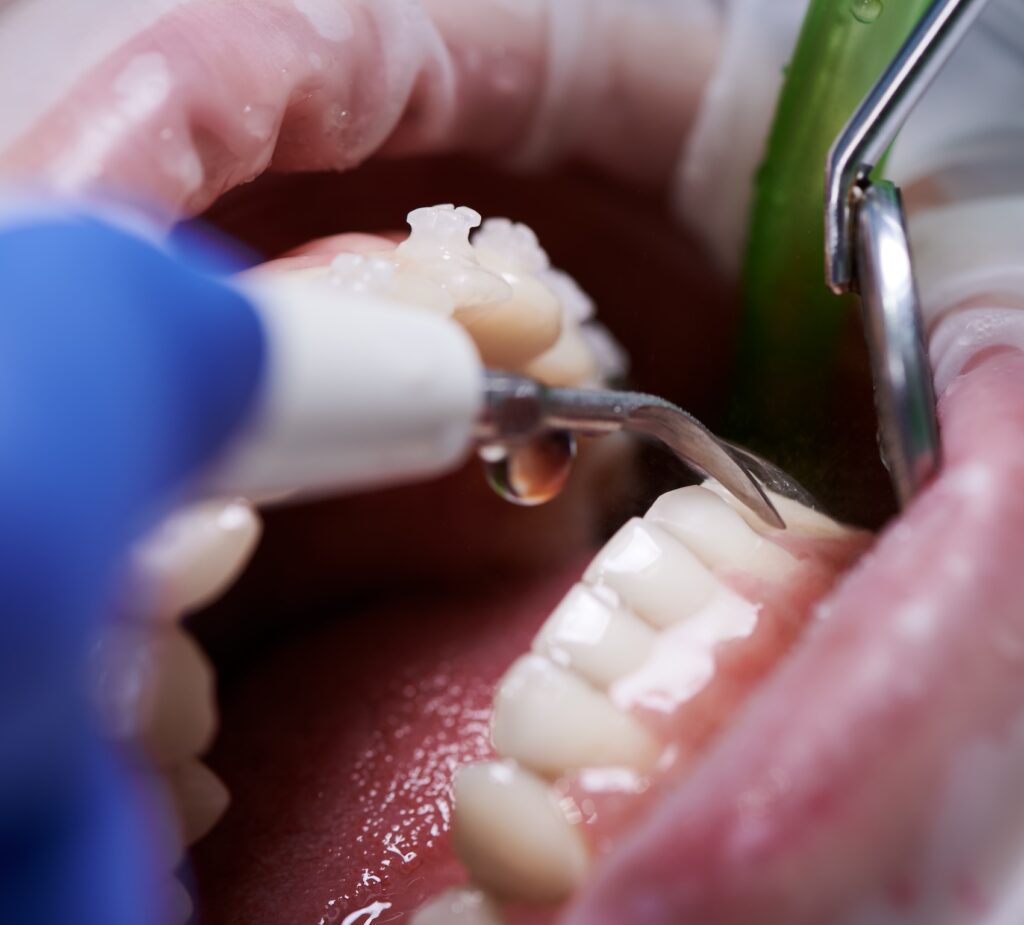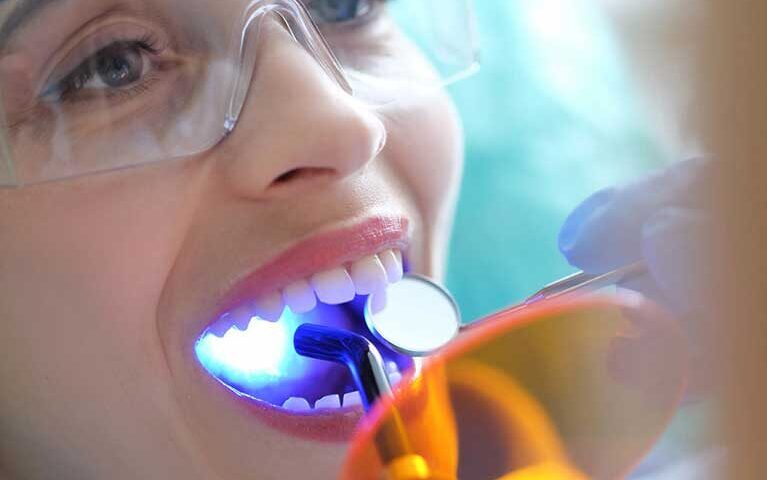
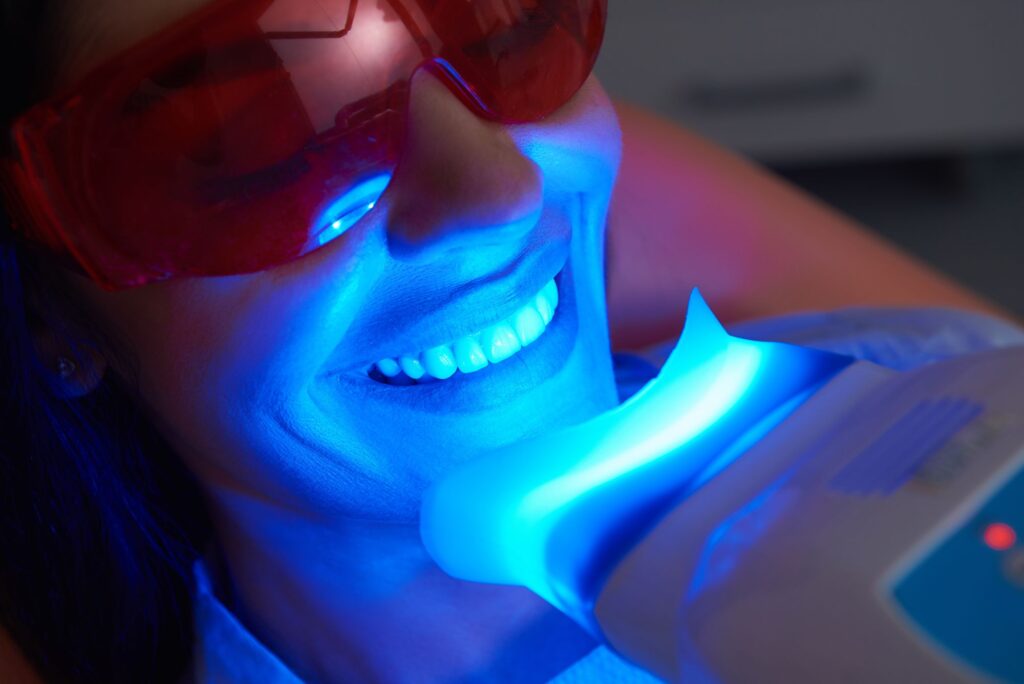
Preparing for teeth whitening treatment involves ensuring your teeth are clean and healthy before your appointment. The most important step is scheduling a professional dental cleaning within two weeks prior to whitening, as this removes surface stains and buildup that could interfere with results. You should also address any existing dental issues like cavities or gum disease beforehand, since whitening works best on healthy teeth and can cause discomfort if applied to compromised areas.
What should you do before a teeth whitening appointment?
Schedule a comprehensive dental cleaning and examination at least one to two weeks before your whitening appointment. This cleaning removes plaque, tartar, and surface stains that can prevent the whitening agent from working evenly across your teeth. Your dental team will also check for cavities, gum disease, or other oral health concerns that need addressing before treatment.
Any existing dental work should be evaluated during this pre-treatment visit. Fillings, crowns, and veneers don’t respond to whitening agents the same way natural tooth enamel does, so understanding how your final results will look helps set realistic expectations. If you have untreated cavities, the whitening solution can penetrate through the damaged areas and cause significant sensitivity or pain.
Timing matters when preparing for professional teeth whitening treatments. Having your cleaning too far in advance means new buildup may accumulate, while scheduling it too close doesn’t give your gums enough time to settle if they were irritated during the cleaning process. The two-week window provides the ideal balance for optimal whitening results.
Can you eat and drink normally before teeth whitening?
Avoid foods and beverages that stain teeth for 24 to 48 hours before your whitening appointment. Coffee, tea, red wine, dark sodas, berries, tomato sauce, and soy sauce can leave pigments on your teeth that interfere with even whitening. Starting with the cleanest possible tooth surface allows the whitening agent to work more effectively and produce more uniform results.
You can eat normally otherwise, but choosing lighter-colored foods in the days before treatment gives you an advantage. White meats, rice, pasta with light sauces, bananas, and clear beverages won’t add new stains to your teeth. This temporary dietary adjustment is particularly important if you haven’t had your professional cleaning yet or if it’s been more than a week since your cleaning.
On the day of your appointment, eat a normal meal beforehand since some whitening treatments can take an hour or more. Having food in your stomach helps you stay comfortable during the procedure. Just brush your teeth thoroughly after eating and avoid any staining substances right before you arrive.
What happens if you don’t prepare properly for teeth whitening?
Skipping proper preparation can lead to uneven whitening results and increased tooth sensitivity during treatment. When plaque and tartar remain on teeth, the whitening agent can’t reach the enamel uniformly, creating splotchy areas where some teeth appear whiter than others. Surface stains from coffee or wine may also prevent the solution from penetrating consistently across all tooth surfaces.
Untreated dental problems become more problematic during whitening treatments. Cavities allow the whitening gel to reach the sensitive inner layers of your tooth, causing sharp pain that can persist after treatment. Gum disease or receding gums expose root surfaces that are naturally more sensitive and don’t respond to whitening the same way enamel does.
The overall effectiveness of your treatment diminishes without proper preparation. You may need additional sessions to achieve your desired shade, which increases both time and cost. Taking the preparation steps seriously ensures you get the best possible results from your investment in a brighter smile.
How do you manage tooth sensitivity before whitening treatment?
Start using desensitizing toothpaste two weeks before your scheduled whitening appointment. These toothpastes contain compounds like potassium nitrate or stannous fluoride that block pain signals from reaching the nerve inside your tooth. Brushing twice daily with this specialized toothpaste builds up protection gradually, making your teeth more comfortable during and after the whitening process.
Communicate your sensitivity concerns with your dental team during your consultation. We can adjust the concentration of the whitening agent, modify treatment duration, or recommend additional protective measures based on your specific needs. Some patients benefit from fluoride treatments applied before whitening to strengthen enamel and reduce sensitivity risks.
Avoid extremely hot or cold foods and beverages in the week leading up to your appointment. Temperature extremes can aggravate existing sensitivity and make your teeth more reactive during treatment. If you experience significant sensitivity with your current toothpaste, switching to one formulated for sensitive teeth even before starting the desensitizing product can help establish a baseline of comfort that makes the entire whitening experience more pleasant.
Ready to Achieve Your Brightest Smile?
Proper preparation is the key to successful teeth whitening results. Our experienced dental team is ready to guide you through every step of the process, from your initial consultation and pre-treatment cleaning to the whitening procedure itself. We’ll evaluate your oral health, address any concerns, and create a personalized treatment plan designed to give you the beautiful, confident smile you deserve. Don’t wait to transform your smile—request an appointment with us today and take the first step toward brighter, whiter teeth.