Missing teeth can affect your smile, your bite, and your overall oral health. Dental bridges are a reliable, permanent solution to restore your teeth, but understanding the costs and options can be confusing. This guide breaks down the key factors that determine dental bridge pricing, helping you plan for treatment.
What Is a Dental Bridge?
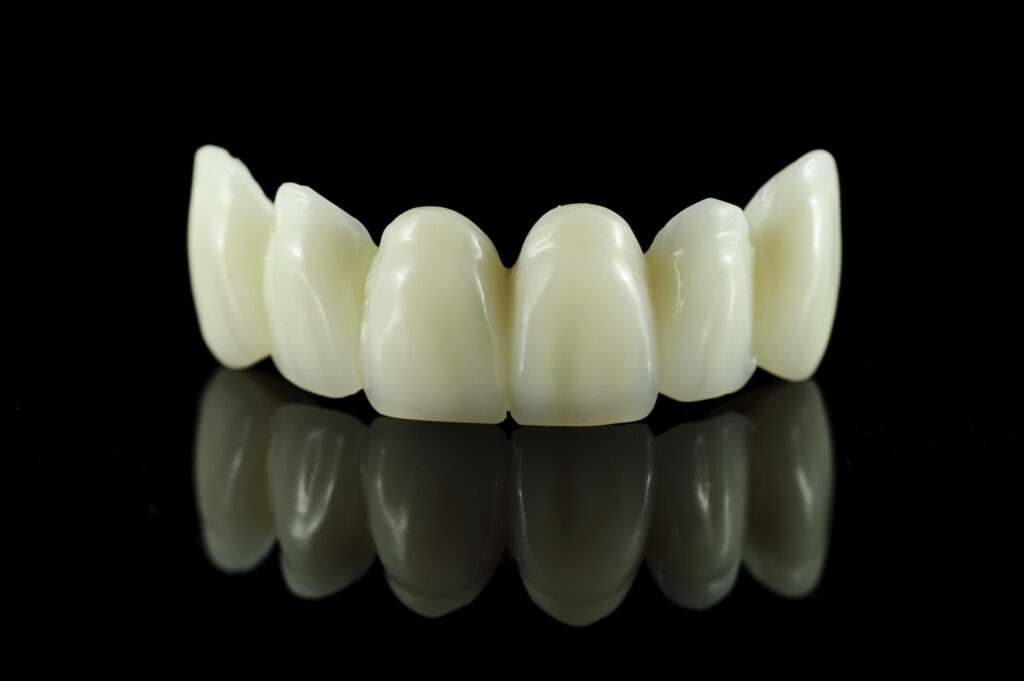
A dental bridge is a permanent tooth replacement that fills the gap left by one or more missing teeth. It consists of artificial teeth called pontics supported either by crowns on adjacent natural teeth or by dental implants. Bridges restore chewing function, prevent neighboring teeth from shifting, and maintain your facial structure while giving you a complete smile.
You might need a bridge if you have lost a tooth due to decay, trauma, or extraction. With healthy teeth on either side of the gap, most patients are suitable candidates for a traditional bridge, while implant-supported bridges may be recommended in certain cases.
How Much Does a Dental Bridge Cost?
Dental bridge costs vary depending on the type, materials, and complexity of the case. Here’s a breakdown of typical pricing:
-
Traditional Three-Unit Bridges: $2,010–$4,020. Supported by crowns on adjacent teeth, these bridges are durable and commonly used.
-
Maryland Bridges: $1,608–$3,350. Using metal or porcelain wings bonded to adjacent teeth, Maryland bridges are less invasive and generally less expensive than traditional bridges.
-
Implant-Supported Bridges: About $1,700 per tooth, excluding the abutment. Abutments, which connect the bridge to the implant, typically cost $900–$1,200 each.
Material costs also affect pricing:
-
Crowns: $1,500–$1,700 per crown
-
Porcelain-fused-to-metal bridges: Moderate cost, durable
-
All-porcelain or zirconia bridges: Higher cost, superior aesthetics
The number of teeth replaced, preparatory procedures (like extractions or bone grafting), and your geographic location can all influence the final cost.
Factors That Affect the Price
Several variables beyond the basic type of bridge affect pricing:
-
Complexity of the case: Additional procedures increase costs.
-
Material quality: Higher-quality porcelain costs more but offers better aesthetics.
-
Dentist’s experience and location: Specialists or metropolitan practices typically charge more.
-
Number of pontics: Each additional false tooth adds to materials and fabrication costs.
Insurance Coverage and Payment Options
Most dental insurance plans cover approximately 50% of bridge costs after the deductible, though annual maximums may limit coverage. Implant-supported bridges may have separate rules.
Many dental practices offer flexible financing, dental savings plans, or the use of Health Savings Accounts (HSA) and Flexible Spending Accounts (FSA) to help manage out-of-pocket expenses.
Comparing Bridges to Other Tooth Replacement Options
-
Removable partial dentures: $670–$2,010; less stable and need replacement every 5–8 years.
-
Traditional bridges: $2,010–$4,020; fixed, durable, but require reshaping adjacent teeth.
-
Implant-supported bridges: $1,700 per tooth plus abutments; higher initial cost, long-lasting, and no alteration of neighboring teeth.
When deciding, consider both upfront costs and long-term benefits. Bridges typically last 5–15 years, depending on material and care.
Conclusion
Dental bridges offer a permanent, effective way to replace missing teeth. Traditional bridges provide reliable restoration, Maryland bridges are minimally invasive and affordable, and implant-supported bridges offer long-term stability. Consulting with your dentist will help you determine the best option for your oral health, lifestyle, and budget.
Ready to restore your smile? Request an appointment at our Hilton Head dental office today to explore your dental bridge options and receive a personalized cost estimate.